7 Ways to Extend the Life of Your Roof
7 ways to extend the life of your roof: Discover 7 proven ways to extend roof life, from maintenance checklists to safe tile cleaning. Learn the signs.

Table of Contents
- 1. Schedule Professional Roof Inspections Twice a Year
- 2. Follow a Seasonal Roof Maintenance Checklist UK Homeowners Can Rely On
- 3. Know the Signs of Roof Damage Before They Worsen
- 4. Learn How to Clean Roof Tiles Safely
- 5. Keep Gutters and Drainage Clear Year-Round
- 6. Repair Flashing and Minor Damage Immediately
- 7. Improve Loft Ventilation to Prevent Moisture Damage
- Summary: The Seven Ways at a Glance
- Frequently Asked Questions
Last Updated: September 23, 2026
1. Schedule Professional Roof Inspections Twice a Year
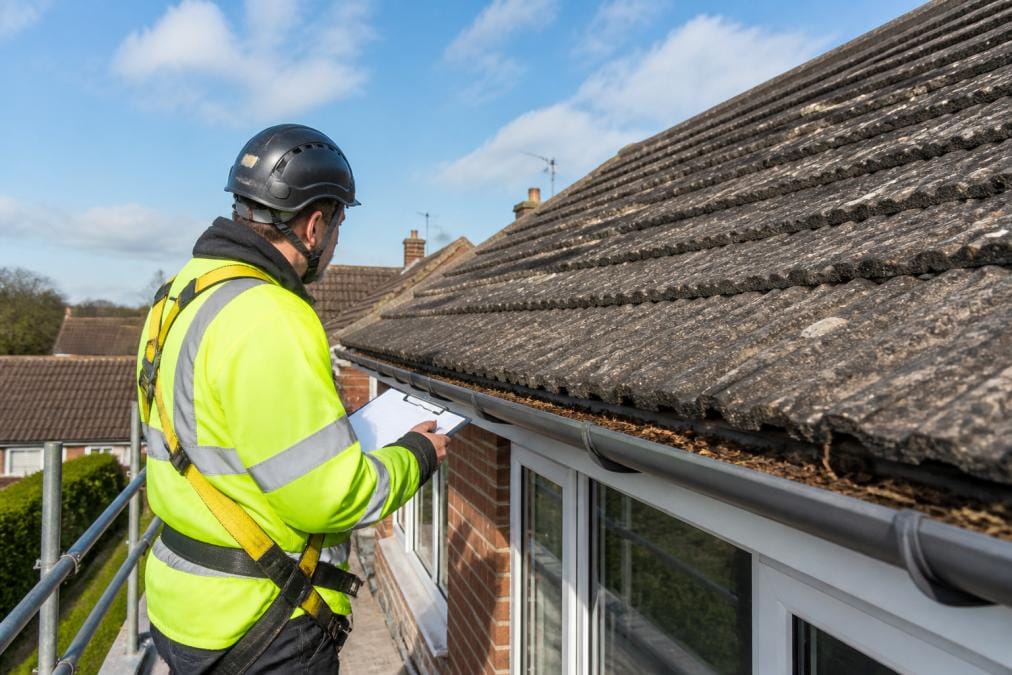
Among the 7 ways to extend the life of your roof, the single most effective is to have it professionally inspected twice a year. At Evershield Roofing, we have spent 25 years inspecting roofs across Buckinghamshire, and the pattern is always the same: small problems caught early stay small, while ignored problems become expensive.
A roof inspection is a systematic examination of your roof’s covering, structure, drainage, and junctions to identify damage before it spreads. It is not the same as a quick glance from the garden.
What a Professional Inspection Covers
- Tile or slate condition, including cracks, slippage, and porosity
- Flashing around chimneys, valleys, and dormers
- Gutter and downpipe flow
- Loft-side checks for damp, daylight, and ventilation gaps
- Ridge and hip mortar integrity
Most inspections take under an hour. Book one before and after winter, and you have a genuine early-warning system rather than a repair bill.
Pro Tip
Take dated photos of your roof after each inspection and keep them together. When a roofer can see how a hairline crack has changed over 18 months, diagnosing it takes minutes instead of guesswork.
Take dated photos of your roof after each inspection and keep them together. When a roofer can see how a hairline crack has changed over 18 months, diagnosing it takes minutes instead of guesswork.
2. Follow a Seasonal Roof Maintenance Checklist UK Homeowners Can Rely On
A seasonal roof maintenance checklist UK homeowners can genuinely use splits the year into two working periods: spring and summer for inspection and repair, autumn and winter for preparation and storm defence. guidance from the Met Office on seasonal weather patterns is worth checking before you plan any roof work.
Spring and Summer Tasks
- Clear moss and debris from valleys and outlets
- Check ridge tiles and re-point any loose mortar
- Inspect flashing after winter freeze-thaw cycles
- Trim overhanging branches that scrape or shade the roof
Autumn and Winter Tasks
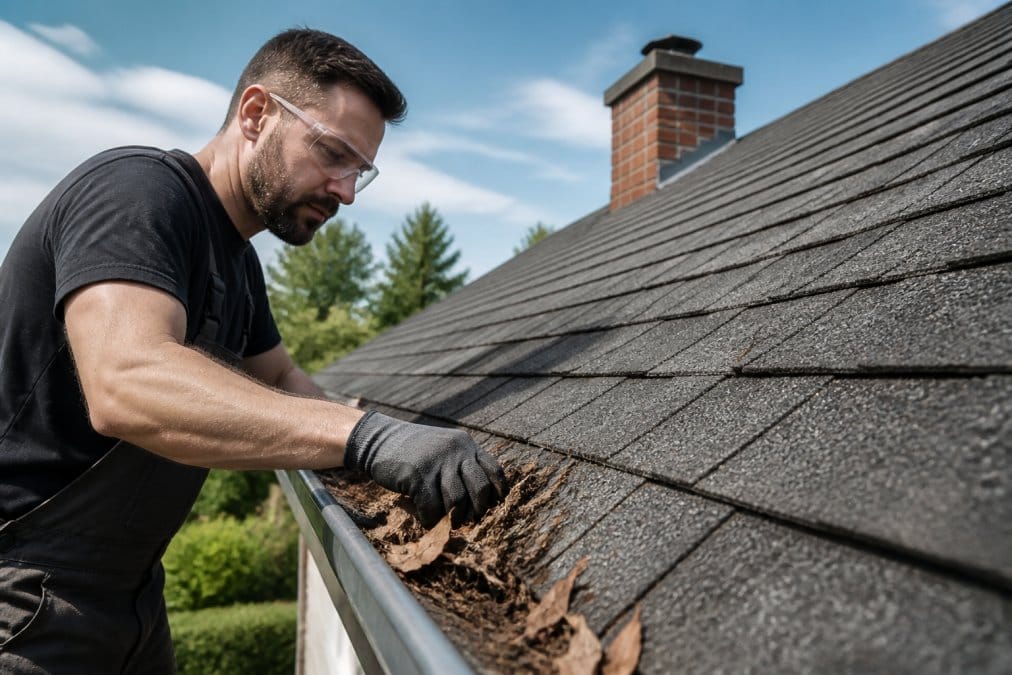
- Clear gutters after leaf fall, before the first hard frost
- Check for slipped tiles following high winds
- Look for damp patches in the loft after heavy rain
- Confirm loft insulation is not blocking ventilation at the eaves
The logic here is simple: fix in the dry months, protect in the wet ones. Most emergency call-outs we attend in Buckinghamshire trace back to a task that was skipped in September.
3. Know the Signs of Roof Damage Before They Worsen
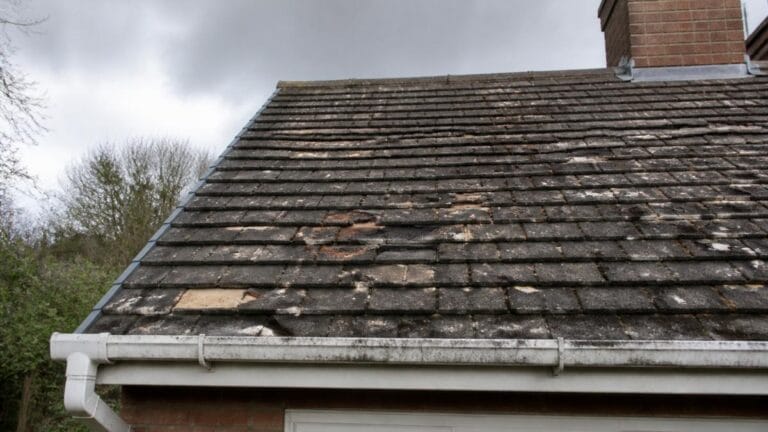
Recognising the signs of roof damage early is what separates a minor repair from a full replacement. Most homeowners spot the problem only when water reaches the ceiling, by which point the damage has usually travelled.
Exterior Warning Signs
- Cracked, missing, or slipped tiles and slates
- Rusted or perished flashing around the chimney
- Sagging or dipping roof lines
- Granule loss collecting in gutters
Interior Warning Signs
- Brown or yellow staining on ceilings and upper walls
- Damp or musty smells in the loft
- Daylight visible through the roof boards
- Damp insulation or timber
If you notice any of these, arrange a survey rather than waiting for the next downpour. Water rarely enters where the visible damage is; it tracks along timbers first.
4. Learn How to Clean Roof Tiles Safely
Learning how to clean roof tiles safely protects both you and the roof itself. Aggressive pressure washing strips the protective surface from tiles and forces water under them, which causes more damage than the moss you were trying to remove.
Tools and Safety Equipment You’ll Need
- A stable ladder with a stand-off bracket, or a tower scaffold
- Soft-bristle brush and plastic scraper
- A proprietary moss treatment applied by brush or low-pressure spray
- Non-slip footwear, gloves, and eye protection
- A harness if you are working at height for more than a few minutes
Step-by-Step Cleaning Process
- Work on a dry, still day with no rain forecast for 48 hours.
- Remove loose debris by hand and brush, working from ridge to eaves.
- Apply moss treatment to affected areas and let it work as directed.
- Clear gutters and outlets so the dead moss washes away cleanly.
- Never walk directly on tiles; use crawl boards to spread your weight.
Watch Out
Pressure washing a tiled roof can void your home insurance if the insurer deems the damage self-inflicted. It also strips pointing and can push water into the loft. Use low-pressure methods or book a professional roof cleaning service instead.
Pressure washing a tiled roof can void your home insurance if the insurer deems the damage self-inflicted. It also strips pointing and can push water into the loft. Use low-pressure methods or book a professional roof cleaning service instead.
5. Keep Gutters and Drainage Clear Year-Round
Clear gutters are the cheapest roof protection you will ever buy. Blocked gutters cause water to back up under the eaves, soak the fascia and soffit, and eventually reach the loft and wall cavities. In Buckinghamshire, where tree cover is heavy, we see this constantly.
Book gutter cleaning at least twice a year, once after autumn leaf fall and once in spring. If your property sits under mature trees, three visits are sensible. Downpipes need checking too; a blocked downpipe turns a working gutter into a bath.
Evershield Roofing handles gutter cleaning and soft washing as a standalone service, so you do not need a separate contractor for the roof and the drainage.
Get Your Free Roofing Quote Today! →
6. Repair Flashing and Minor Damage Immediately
Flashing failures cause more leaks than any other single defect. Flashing is the metal or membrane material that seals the joints where your roof meets a chimney, wall, valley, or dormer. When it lifts, cracks, or corrodes, water has a direct path inside.
Check flashing after every storm. Small cracks can be sealed with a flashing repair kit, but perished lead or failed mortar needs a proper repair rather than a surface patch. The same applies to a single slipped tile: replacing one tile costs far less than replacing the ceiling below it.
Do not delay these jobs. A minor repair deferred through one winter can mean rotten battens and a much larger bill.
7. Improve Loft Ventilation to Prevent Moisture Damage
Good loft ventilation is the most overlooked item on this list. Warm, moist air from kitchens and bathrooms rises into the loft, condenses on cold roof timbers, and over time rots the structure from the inside. The roof looks fine from the street while the damage happens above your head.
Passive ventilation products such as eaves vents, tile vents, and ridge vents let that moisture escape. They run without power and need no maintenance once fitted. Evershield Roofing surveys roof repairs and ventilation issues together, because the two are usually linked: poor airflow shortens the life of every other roofing component.
Check that insulation is not pushed tight into the eaves. Leave a clear airway, and your roof deck stays dry.
Summary: The Seven Ways at a Glance
| Way to Extend Roof Life | How Often | Main Benefit |
|---|---|---|
| Professional inspections | Twice a year | Catches faults early |
| Seasonal maintenance | Spring/summer and autumn/winter | Prevents weather damage |
| Spotting damage signs | Monthly visual check | Avoids hidden water ingress |
| Safe tile cleaning | Annually | Removes moss without harm |
| Gutter and drainage care | Twice a year | Stops water backing up |
| Flashing and minor repairs | After every storm | Blocks direct water paths |
| Loft ventilation | Continuous | Prevents rot from condensation |
A roof rarely fails without warning, and the 7 ways to extend the life of your roof above exist to catch those warnings early. It fails because the warning signs were missed, deferred, or patched over rather than fixed. If you would rather hand the whole checklist to someone who does this daily, Evershield Roofing offers free surveys and quotes, fully insured teams, and finance from 0% APR, covering new roof installation through to emergency call-outs. Get started with Evershield Roofing and protect the roof over your head for decades, not months.
Frequently Asked Questions
How often should I have my roof inspected in the UK?
Most UK roofing professionals recommend a professional inspection twice a year, ideally in spring and autumn. Spring checks catch damage from winter storms, while autumn inspections prepare your roof for the colder months ahead. If your property is surrounded by mature trees or has a history of moss problems, quarterly checks may be worth considering. Regular inspections are one of the most effective ways to extend roof life and catch small issues before they become expensive repairs.
What are the signs of roof damage I should look out for?
Common signs of roof damage include cracked, missing, or slipped tiles, granules collecting in gutters, water stains on ceilings or walls, damp patches in the loft, and daylight visible through the roof boards. Externally, look for sagging areas, rusted flashing around chimneys, and moss or algae growth. If you notice any of these, arrange a professional survey. Catching problems early is far cheaper than dealing with structural damage later.
Does moss damage a roof and how do I remove it safely?
Moss holds moisture against tiles, which can cause cracking during frost cycles and gradually lift tile edges. To remove it safely, avoid pressure washing, which strips protective surfaces. Instead, use a soft brush to remove loose growth, then apply a suitable biocide treatment. Always work from a stable platform or scaffold, never walk directly on fragile tiles. For significant moss buildup, a professional roof cleaning service is the safest option.
Can regular maintenance prevent expensive roof repairs?
Yes. A consistent maintenance routine, including gutter clearing, flashing checks, and prompt repairs, addresses small problems before they escalate. For example, a blocked gutter can cause water to back up under tiles and rot fascia boards, turning a simple clean into a costly repair. Booking a free survey and quote from a reputable roofing company helps you plan maintenance and budget for any work needed.