10 Signs You Need a New Roof in Uxbridge
10 signs you need a new roof in Uxbridge: Spot roof damage early. Learn 10 warning signs your roof needs replacing and how to assess condition.

Table of Contents
- How Long Does a Roof Last in the UK
- 10 Signs You Need a New Roof
- 1. Visible Leaks and Water Stains Inside Your Home
- 2. Sagging or Dipping Roof Line
- 3. Missing, Cracked, or Curling Roof Tiles
- 4. Moss, Algae, and Organic Growth
- 5. Shingle Granules in Your Gutters
- 6. Roof Flashing Damage or Separation
- 7. Daylight Visible Through Roof Boards
- 8. Increased Energy Bills
- 9. Damaged Chimney or Roof Penetrations
- 10. Storm Damage or Impact Marks
- Roof Inspection Checklist for UK Homeowners
- Roof Replacement Cost in Uxbridge
- When to Repair vs. Replace Your Roof
- Next Steps: Getting a Professional Assessment
- Frequently Asked Questions
Last Updated: September 28, 2026
A leaking roof isn’t just an inconvenience, it’s a warning sign your home needs attention. At Evershield Roofing, we’ve helped hundreds of homeowners across Buckinghamshire recognise the early signals before water damage becomes catastrophic. The question isn’t whether your roof will need replacing eventually. It’s whether you’ll catch the problem early enough to avoid costly repairs inside your walls, ceilings, and foundations.
This guide covers the 10 signs you need a new roof in Uxbridge, how to assess your roof’s condition, and when professional replacement makes sense over patching. Most homeowners miss these warning signs until the damage spreads to structural elements. By the time water appears on your bedroom ceiling, the problem has already been developing for months.
How Long Does a Roof Last in the UK
Your roof’s lifespan depends on materials, maintenance, and local weather. Your roof’s lifespan depends on materials, maintenance, and local weather.
The key factor isn’t just age, it’s exposure. Roofs facing prevailing winds and heavy rainfall deteriorate faster than sheltered ones. In Uxbridge and across Buckinghamshire, the combination of moisture, temperature swings, and organic growth (moss, algae, lichen) accelerates wear. A roof that’s structurally sound at 18 years might fail at 12 if it hasn’t been maintained properly.
Pro Tip
Track your roof’s installation date and have it professionally inspected every 5 years after year 10. Early detection of problems costs a fraction of emergency repairs.
Track your roof’s installation date and have it professionally inspected every 5 years after year 10. Early detection of problems costs a fraction of emergency repairs.
10 Signs You Need a New Roof
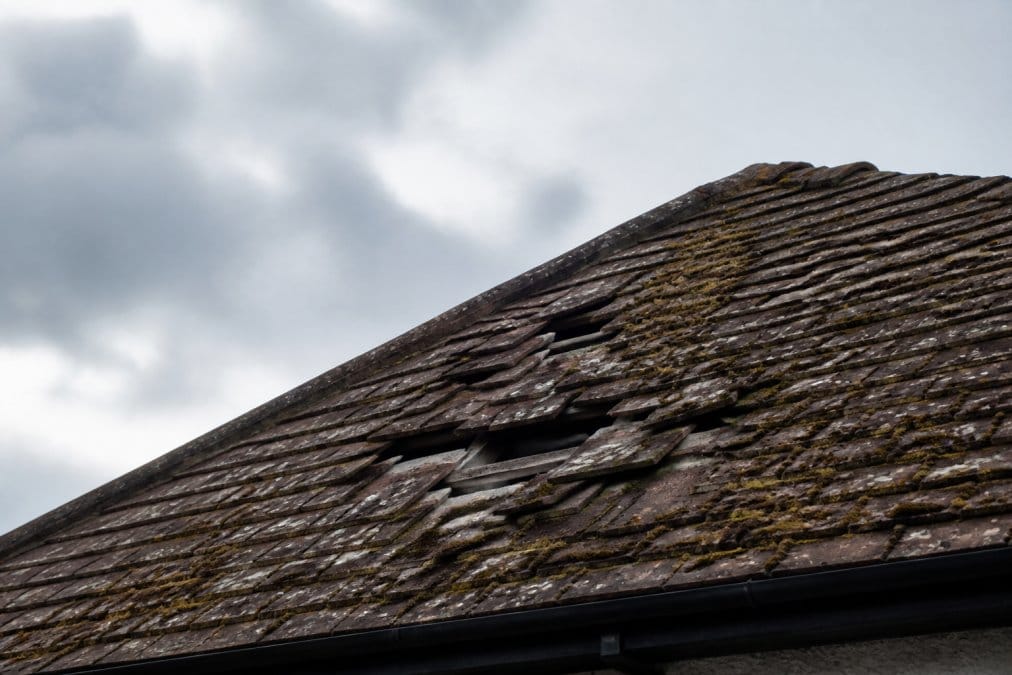
The 10 signs you need a new roof in Uxbridge range from obvious (daylight through the attic) to subtle (small stains on interior ceilings). Most homeowners notice multiple signs simultaneously. If you spot even three of these, a professional inspection is overdue.
1. Visible Leaks and Water Stains Inside Your Home
Water stains on ceilings or walls are the clearest sign your roof has failed. These stains appear as discoloured patches, often brown or yellow, spreading from a central point. By the time water reaches your interior, it’s travelled through insulation, wooden joists, and structural supports.
The leak’s location on your ceiling doesn’t always match where the roof problem is. Water runs along rafters and can travel metres horizontally before dripping through. This makes pinpointing the actual roof damage difficult without professional assessment.
Interior leaks demand urgent attention. Standing water in your attic promotes mould growth, rots timber, and corrodes electrical wiring. Evershield Roofing offers emergency roof repair services for situations like this, the sooner you act, the less structural damage spreads.
2. Sagging or Dipping Roof Line
A roof that sags at the edges or centre indicates structural failure. From ground level, look along your roofline against the sky. It should form a straight, even line. Visible dips or sags mean the underlying timber structure is weakening.
Sagging happens when water damage rots the roof deck and supporting beams. It can also result from inadequate ventilation causing moisture to accumulate inside the structure. Once you notice sagging, the damage is usually advanced.
This is a structural safety issue. A sagging roof can collapse under heavy snow load or strong winds. Get a professional assessment immediately, this isn’t a repair situation, it’s a replacement scenario.
3. Missing, Cracked, or Curling Roof Tiles
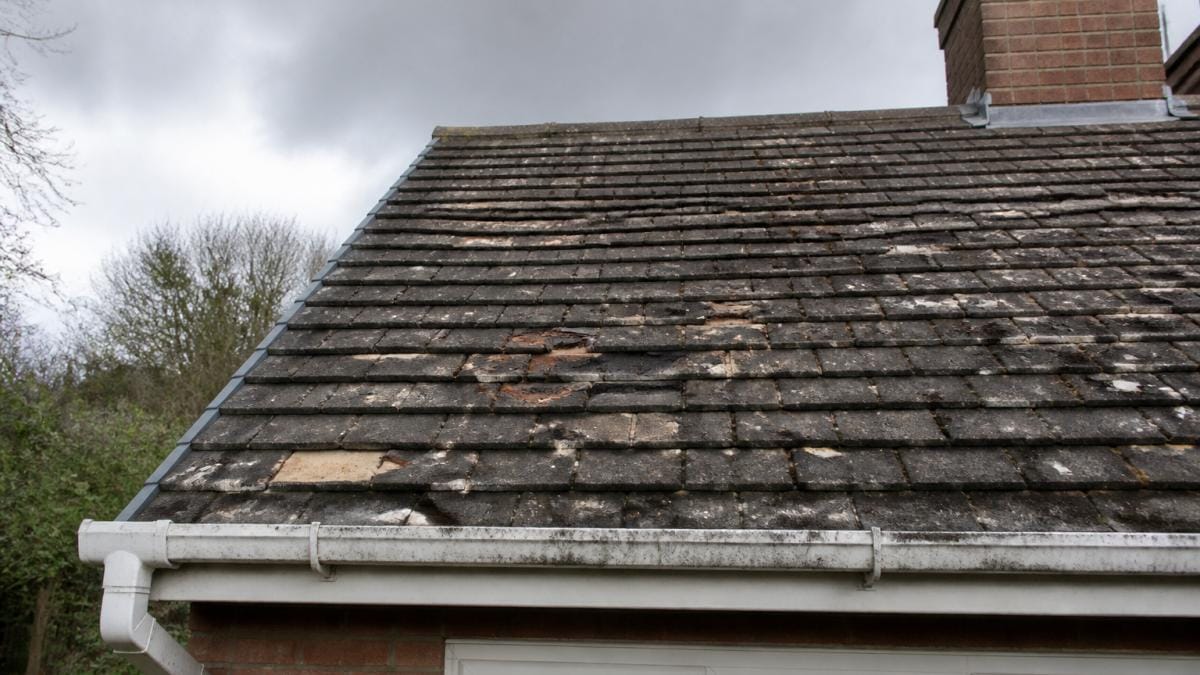
Walk around your property and look for obvious tile damage. Missing tiles leave gaps where water enters directly. Cracked tiles lose their water-shedding ability. Curling or cupped tiles indicate age and brittleness.
In UK weather, tiles curl from repeated freeze-thaw cycles and UV exposure. Cracking happens when tiles become brittle after 15+ years. Missing tiles are often the result of high winds or storm damage, one missing tile can lead to water ingress affecting multiple tiles around it.
A few missing tiles might seem minor, but they’re entry points for water that affects a much larger area. If you notice more than a handful of damaged tiles, the whole roof is probably approaching the end of its serviceable life.
4. Moss, Algae, and Organic Growth
Moss and algae growth is common on UK roofs, especially in damp areas. While it looks unsightly, the real problem is what it indicates: moisture is sitting on your roof long enough for organic matter to colonise it.
Moss holds water against the tile surface, accelerating deterioration. It can also lift tile edges, creating gaps for water to penetrate. Algae staining (dark streaks) shows moisture patterns and indicates your roof isn’t shedding water efficiently.
Heavy moss growth suggests your roof’s protective surface is breaking down. Cleaning it off temporarily helps, but if moss returns quickly, your roof’s underlying condition is probably poor. Evershield Roofing offers roof cleaning services to remove growth, but persistent moss is often a sign replacement is coming within a few years.
Get Your Free Roofing Quote Today! →
Watch Out
Don’t pressure-wash moss off yourself, high-pressure water can damage tiles and force water under them, making leaks worse.
Don’t pressure-wash moss off yourself, high-pressure water can damage tiles and force water under them, making leaks worse.
5. Shingle Granules in Your Gutters
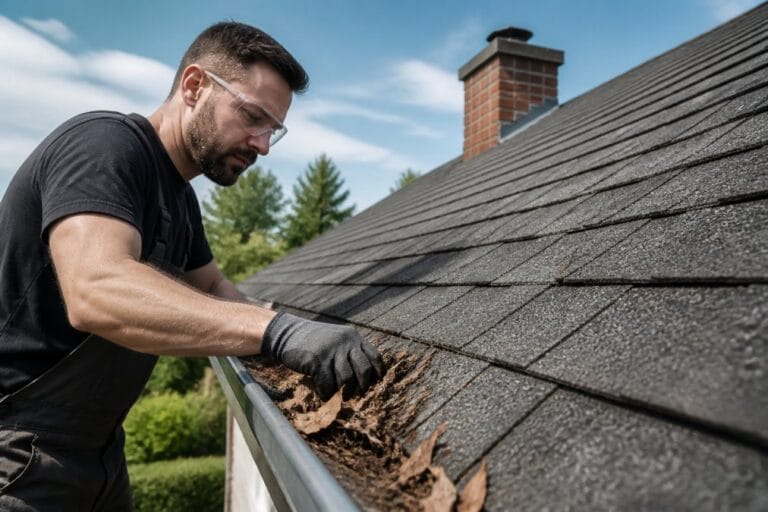
If your roof uses asphalt shingles (less common in traditional UK homes but found on some properties), check your gutters for granule loss. Granules are the small, gritty particles covering shingles. They protect the underlying asphalt from UV damage.
Excessive granules in gutters mean shingles are deteriorating. As granules wash away, the asphalt underneath becomes brittle and cracks. This accelerates the roof’s failure.
Shingle granule loss is a sign of age and weather exposure. It’s rarely the only problem, it usually accompanies other damage. If you’re finding significant granule quantities in gutters, your roof is probably in its final 5 years of life.
6. Roof Flashing Damage or Separation
Flashing is the metal trim where your roof meets walls, chimneys, and roof penetrations. It’s sealed with sealant that degrades over time. Damaged or separated flashing is one of the most common leak sources.
Look for gaps between flashing and the roof surface, rust stains, or visible gaps.
7. Daylight Visible Through Roof Boards
Go into your attic on a cloudy day. If you see daylight coming through the roof boards, your roof has failed. This indicates holes, gaps, or severe deterioration in the roof structure.
8. Increased Energy Bills
A sudden jump in heating costs can indicate roof problems. Poor insulation (often caused by water damage to insulation materials) or inadequate ventilation forces your heating system to work harder.
9. Damaged Chimney or Roof Penetrations
Chimneys, vent pipes, and satellite dishes are common leak sources. The flashing and sealant around these penetrations degrade faster than the roof itself. Cracks in chimney mortar, rust around metal penetrations, or visible gaps are warning signs.
Key Takeaway
Roof penetrations are the first places water finds entry. Inspect them twice yearly, once in spring and once in autumn.
Roof penetrations are the first places water finds entry. Inspect them twice yearly, once in spring and once in autumn.
10. Storm Damage or Impact Marks
After severe weather, inspect your roof for visible damage. Hail leaves dents and cracks. High winds lift tiles or tear them completely. Fallen branches cause impact damage. Tree damage can be localised but still compromise your roof’s integrity.
Roof Inspection Checklist for UK Homeowners
A systematic inspection catches problems early. You can do a basic visual check yourself, but professional roofers have equipment and experience to spot issues you’ll miss.
| Inspection Item | What to Look For | Action if Found |
|---|---|---|
| Tile condition | Missing, cracked, or curled tiles | Call for repair if fewer than 5; consider replacement if widespread |
| Flashing integrity | Gaps, rust, or separation at penetrations | Schedule repair within 1 month |
| Gutters and downpipes | Granules, moss, or debris buildup | Clean gutters; assess roof condition if granules excessive |
| Interior signs | Water stains, damp patches, or mould | Get professional inspection immediately |
| Roof line | Sagging or dips along the edge | Emergency assessment required |
| Chimney condition | Cracks in mortar or loose bricks | Schedule chimney repair within 2 months |
| Moss and algae | Heavy growth or rapid regrowth | Consider roof cleaning; assess underlying condition |
| Ventilation | Blocked vents or inadequate airflow | Clear vents; assess attic moisture levels |
Roof Replacement Cost in Uxbridge
Replacement costs vary based on roof size, material choice, and complexity. Factors affecting cost include pitch (steepness), number of penetrations, existing condition, and whether removal of old material is required.
When to Repair vs. Replace Your Roof
The decision between repair and replacement depends on age, damage extent, and cost comparison. A roof under 10 years old with isolated damage (a few missing tiles, flashing repair) usually warrants repair. A roof over 20 years old with multiple problems usually needs replacement.
Next Steps: Getting a Professional Assessment
Don’t wait for obvious problems to worsen. If you’ve noticed any of the signs covered here, contact a professional roofer for assessment. Early detection prevents expensive secondary damage.
Frequently Asked Questions
How do I know if my roof needs replacing or just repairing?
If your roof is under 20 years old and damage is isolated to one area, repair is usually sufficient. Roofs nearing the end of their lifespan (25-30 years depending on material) with multiple problem areas, leaks, missing tiles, sagging, typically warrant full replacement. A professional inspection will determine whether patching will extend your roof’s life or if replacement is more cost-effective long-term.
What is the average lifespan of a roof in the UK?
Most UK roofs last 25-30 years, though this varies by material and maintenance. Climate, ventilation, and regular maintenance significantly affect longevity. An annual inspection helps catch issues early and extend your roof’s life.
How much does a new roof cost in Uxbridge?
Roof replacement costs depend on size, material choice, roof complexity, and labour. Evershield Roofing offers free surveys and quotes so you can see exact pricing for your property. Finance options are available from 0% APR, making replacement more manageable. Visit the pricing page or request a free quote to understand costs for your specific situation.
Do I need planning permission for a new roof in Uxbridge?
Most roof replacements in the London Borough of Hillingdon don’t require planning permission if you’re using the same materials and not altering the roof structure. However, listed buildings or conservation areas have stricter rules. Always check with your local authority before starting work, or ask your roofer, they can advise on any permissions needed for your property.