Alternatives to Asphalt Shingles for Uxbridge Homes
Explore durable alternatives to asphalt shingles for Uxbridge homes. Compare metal, slate, clay tiles and more. Get your free roofing quote today.

Table of Contents
- Why Homeowners Choose Alternatives to Asphalt Shingles
- Metal Roofing: Durability and Low Maintenance
- Slate Roofing: Premium Longevity and Natural Appeal
- Clay and Concrete Tiles: Traditional Strength
- Composite and Synthetic Shingles: Modern Performance
- Roof Tile Lifespan UK: How Long Each Material Lasts
- Roofing Regulations Buckinghamshire: Planning and Compliance
- Choosing the Right Alternative for Your Home
- Frequently Asked Questions
Last Updated: September 30, 2026
Why Homeowners Choose Alternatives to Asphalt Shingles
Asphalt shingles dominate the UK roofing market because they’re affordable and straightforward to install. But they come with real trade-offs: they deteriorate faster in damp climates, require regular maintenance, and often need replacement within 15-20 years. For homeowners in Uxbridge and across Buckinghamshire, alternatives to asphalt shingles for Uxbridge homes offer superior durability, lower maintenance demands, and better long-term value.
The shift away from asphalt isn’t just about performance. Many property owners discover that investing in a premium material upfront saves money over the roof’s lifetime. When you factor in repair costs, cleaning, moss treatment, and eventual replacement, alternatives to asphalt shingles often cost less overall despite higher initial outlay.
At Evershield Roofing, we work with homeowners who’ve grown frustrated with asphalt’s limitations. The most common request we hear: “What’s going to last longer and require less fussing?” That question drives the decision toward metal, slate, composite tiles, or clay. Each addresses different priorities: durability, aesthetics, weather resistance, or environmental impact.
Pro Tip
The best alternative for your home depends on three factors: your budget, the structural capacity of your property, and whether you prioritise longevity or aesthetics. Slate lasts longest but costs most. Metal offers excellent value and durability. Composite shingles balance appearance with moderate pricing.
The best alternative for your home depends on three factors: your budget, the structural capacity of your property, and whether you prioritise longevity or aesthetics. Slate lasts longest but costs most. Metal offers excellent value and durability. Composite shingles balance appearance with moderate pricing.
Metal Roofing: Durability and Low Maintenance
Metal roofing stands out for homeowners who want a roof that will outlast them. Unlike asphalt, which degrades from UV exposure and moisture, metal resists both. It sheds snow and ice efficiently, critical for UK winters, and doesn’t develop moss or algae buildup the way organic materials do.
Metal roofs typically perform well for 40-50 years or longer, meaning many homeowners never need a second installation. The material expands and contracts with temperature changes, but modern fastening systems accommodate this movement without leaks. Maintenance is minimal: an occasional inspection and clearing of gutters. No pressure washing, no moss treatment, no seasonal repairs.
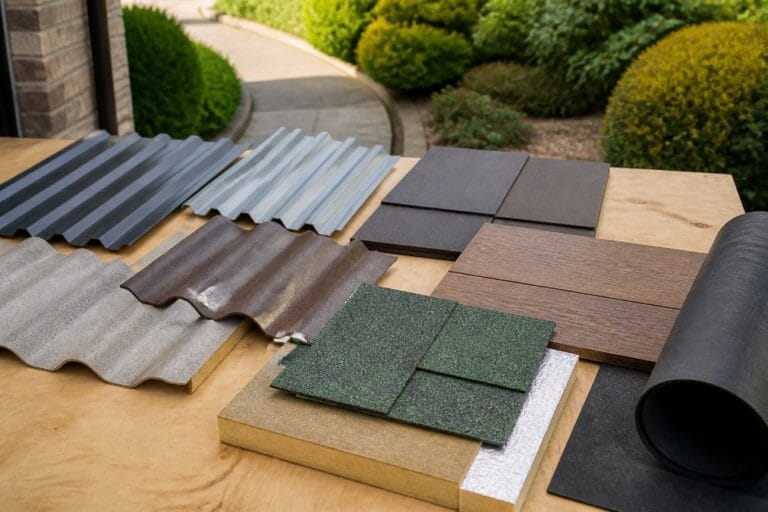
The aesthetic has improved dramatically. Modern metal roofing comes in multiple finishes and colours that mimic traditional materials. Standing seam systems offer clean lines. Corrugated or metal shingles can resemble slate or timber. You’re not locked into an industrial appearance unless you want one.
Cost depends on material type and installation complexity. Metal roofing requires specialist fitting, which is why it commands a premium over asphalt. However, the extended lifespan and minimal maintenance often justify the difference over a 50-year horizon. Evershield Roofing can assess your property’s structural readiness and provide a detailed cost comparison during a free survey. If you’re concerned about your current roof’s condition, our roof repairs service can address immediate issues while you plan a longer-term solution.
| Aspect | Metal Roofing | Asphalt Shingles |
|---|---|---|
| Typical Lifespan | 40-50+ years | 15-20 years |
| Maintenance Required | Minimal (gutters only) | Regular (moss, algae, repairs) |
| Weather Resistance | Excellent (snow/ice shedding) | Moderate (moss prone in damp climates) |
| Installation Complexity | High (specialist required) | Low (standard roofers) |
| Recyclability | Fully recyclable | Limited recycling options |
Key Takeaway
Metal roofing is the best choice if you plan to stay in your home long-term and want to eliminate roof maintenance almost entirely.
Metal roofing is the best choice if you plan to stay in your home long-term and want to eliminate roof maintenance almost entirely.
Slate Roofing: Premium Longevity and Natural Appeal
Slate is the gold standard for roofing material. A properly installed slate roof can last 50-100 years, potentially outlasting the building itself. It’s impermeable to water, resistant to frost damage, and improves in appearance as it weathers, developing a silvery patina over decades.
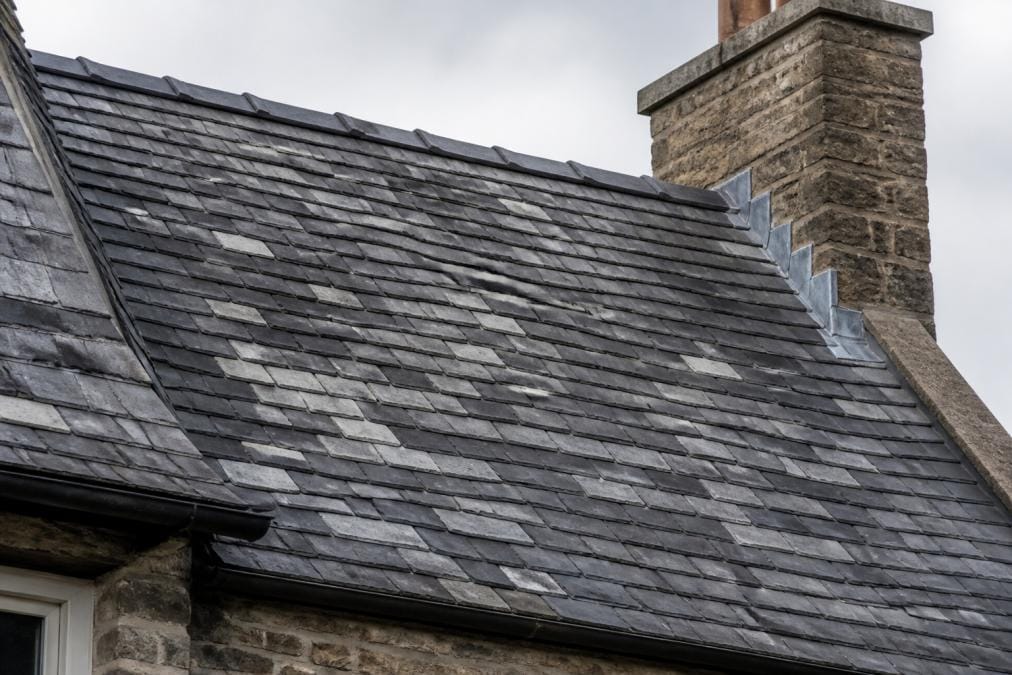
The aesthetic appeal is unmatched. Each slate tile is unique, with natural colour variation and texture. For period properties across Uxbridge and Buckinghamshire, slate often feels like the only authentic choice. It commands respect and adds significant property value.
The trade-off is weight and cost. Slate is heavy, approximately 600-800 kg per 10 square metres. Older properties may need structural reinforcement. Installation requires specialist roofers experienced with slate; it’s not a standard job. The material itself is expensive, and labour costs are substantial.
Maintenance is genuinely minimal. Slate doesn’t degrade, doesn’t need cleaning, and doesn’t require chemical treatments. Occasional inspection for loose tiles or damaged flashings is all that’s needed. Repairs involve replacing individual slates rather than patching, which preserves the roof’s integrity.
For homeowners treating a roof replacement as a one-time investment in permanence, slate delivers. The cost is high, but the lifespan and aesthetic value justify it for the right property.
Clay and Concrete Tiles: Traditional Strength
Clay and concrete tiles offer a middle ground between slate’s premium positioning and asphalt’s affordability. They’re heavier than asphalt but lighter than slate, making them suitable for most residential properties without major structural work.
Clay tiles have been used for centuries and carry that traditional appeal. They’re fired in kilns, making them extremely durable and fire-resistant. Concrete tiles are engineered for performance and cost less than clay while offering similar durability. Both resist frost, wind uplift, and heavy rain, essential for UK weather.
Aesthetics vary widely. Traditional barrel tiles suit period properties. Flat interlocking tiles offer a more contemporary look. Colour options range from natural earth tones to custom finishes. Unlike asphalt, these materials don’t fade or discolour significantly over time.
The weight is the primary consideration. Both clay and concrete tiles are substantially heavier than asphalt shingles, requiring structural assessment before installation. Some properties need roof reinforcement, adding cost. However, this is often a one-time expense during installation.
Lifespan typically ranges from 40-60 years, depending on climate and maintenance. They’re less demanding than asphalt but more maintenance-intensive than slate or metal. Moss can develop in damp areas, though less aggressively than on asphalt. Cleaning may be needed every 10-15 years.
Get Your Free Roofing Quote Today! →
For properties where traditional appearance matters and structural capacity allows, clay and concrete tiles deliver excellent value and durability.
Composite and Synthetic Shingles: Modern Performance
Composite shingles are engineered to mimic the appearance of slate, wood, or traditional tiles while offering superior performance. They’re made from a blend of materials, typically asphalt, fibre, and polymers, designed to resist impact, weather, and UV degradation.
These shingles resist moss and algae growth, a significant advantage in damp UK climates. They’re lighter than clay or slate, meaning most properties don’t need structural reinforcement. Installation is straightforward, using standard roofing methods, which keeps labour costs reasonable.
Aesthetically, modern composite shingles are convincing. High-end options look remarkably like natural slate or wood shakes. They come in numerous colours and styles, offering flexibility for different architectural preferences.
Lifespan is typically 30-40 years, longer than standard asphalt but shorter than slate or metal. They’re more durable than asphalt shingles and require less maintenance, though they’re not entirely maintenance-free. Periodic cleaning and inspection extend their life.
The main advantage is the balance they strike: better durability and appearance than asphalt, lower cost and easier installation than slate or metal, and minimal structural impact. For homeowners wanting a significant upgrade without major complications, composite shingles deliver.
Watch Out
Composite shingles vary widely in quality. Cheaper options may deteriorate faster than premium asphalt. Invest in mid-to-high-grade products for genuine longevity benefits.
Composite shingles vary widely in quality. Cheaper options may deteriorate faster than premium asphalt. Invest in mid-to-high-grade products for genuine longevity benefits.
Roof Tile Lifespan UK: How Long Each Material Lasts
Understanding roof tile lifespan UK helps you calculate true cost-of-ownership. A cheaper material that needs replacement in 20 years costs more over 50 years than a premium option lasting 50+ years.
Asphalt shingles typically last 15-20 years in UK conditions. Damp climates and heavy rainfall accelerate deterioration. Moss growth, which thrives in moisture, shortens lifespan further if not managed.
Metal roofing lasts 40-50+ years with minimal maintenance. The material doesn’t degrade from moisture or UV exposure. Fasteners and flashing may need attention before the metal itself fails.
Slate roofing lasts 50-100+ years. Individual slates can fail, but replacement is straightforward.
| Material | Expected Lifespan | Maintenance Frequency | Best for Damp Climates |
|---|---|---|---|
| Asphalt Shingles | 15-20 years | Regular (moss/algae) | Poor |
| Metal Roofing | 40-50+ years | Minimal (gutters only) | Excellent |
| Slate | 50-100+ years | Minimal (inspection only) | Excellent |
| Clay/Concrete Tiles | 40-60 years | Moderate (periodic cleaning) | Good |
| Composite Shingles | 30-40 years | Minimal (occasional cleaning) | Good |
Roofing Regulations Buckinghamshire: Planning and Compliance
Before choosing a new roofing material, understand local planning requirements. Roofing regulations Buckinghamshire vary depending on whether your property is listed, in a conservation area, or subject to restrictive covenants.
Pro Tip
Contact your local planning authority or conservation officer before finalising your material choice. A ten-minute phone call prevents months of complications later.
Contact your local planning authority or conservation officer before finalising your material choice. A ten-minute phone call prevents months of complications later.
Choosing the Right Alternative for Your Home
The best alternative to asphalt shingles depends on four factors: budget, structural capacity, aesthetic preferences, and maintenance tolerance.
Frequently Asked Questions
Are asphalt shingles common in the UK?
Asphalt shingles are less common in the UK than in North America, though they are still used. UK homeowners often prefer alternatives to asphalt shingles because traditional materials like slate, clay tiles, and concrete tiles offer better performance in damp British weather and provide greater longevity. Many period properties and conservation areas also have restrictions on material choices.
What is the most durable roofing material for homes in Uxbridge?
Slate roofing offers the longest lifespan, often exceeding 50-100 years with minimal maintenance. Metal roofing is also exceptionally durable, typically lasting 2-3 times longer than asphalt shingles. Clay and concrete tiles provide excellent durability as well, though they require structural assessment due to their weight. Your choice depends on budget, property style, and structural capacity. Contact Evershield Roofing for a free survey to determine the best option for your home.
Do I need planning permission to change my roof material in Uxbridge?
Planning permission requirements depend on your property’s location and whether it’s listed or in a conservation area. Most standard roof replacements with similar materials don’t require permission, but changing to a significantly different material or colour may. Listed properties and those in conservation areas have stricter rules. It’s essential to check with your local authority before starting work. Evershield Roofing can advise on planning requirements during your free survey.
How does the cost of slate compare to clay roof tiles?
Slate roofing typically costs more than clay tiles due to the premium price of natural stone and specialist installation skills required. However, slate’s exceptional lifespan (50-100+ years) often provides better long-term value than clay tiles (40-60 years), which may need repairs or replacement sooner. Both are significantly more expensive than asphalt shingles upfront but offer superior durability and aesthetic appeal. Get a free quote from Evershield Roofing to compare costs for your specific project.