Water Damage and Property Resale Value
Water damage significantly reduces property resale value. Learn how different types of damage affect your home's worth and what buyers look for.

Table of Contents
- How Water Damage Affects Property Resale Value
- Types of Water Damage and Their Impact on Valuation
- Property Survey Signs of Water Damage
- Selling a House After Water Damage
- Disclosing Water Damage When Selling a Property
- Flat Roof Drainage and Water Ingress
- Mitigating Water Damage Before Sale
- Frequently Asked Questions
Last Updated: October 10, 2026
How Water Damage Affects Property Resale Value
Water damage is one of the most serious threats to water damage property value. When water infiltrates your home, it doesn’t just cause immediate problems, it creates long-term issues that buyers will notice and worry about. At Evershield Roofing, we understand how water damage can impact property valuations, especially in Buckinghamshire where our climate brings frequent rain and storms.
The moment water enters your property, it begins damaging structural elements, insulation, and finishes. Buyers conducting surveys will identify these issues quickly. Once they do, they’ll either walk away or demand a significant price reduction to cover repairs. A property with known water damage history becomes harder to sell and attracts only price-conscious buyers willing to negotiate aggressively.
Water damage property value is affected in several ways. Structural repairs are expensive. Mold remediation costs money. Insurance companies may refuse coverage. Resale value drops because the risk profile changes. What might have sold for a certain price could now command significantly less, depending on the damage extent.
The key is addressing water damage before you sell. Early intervention protects your investment and preserves buyer confidence.
Types of Water Damage and Their Impact on Valuation
Structural damage from prolonged exposure
Prolonged water exposure causes the most serious damage. When water sits inside walls, under flooring, or in roof cavities for weeks or months, it weakens structural components. Wood rots. Concrete deteriorates. Metal corrodes. Insulation loses its thermal properties.
Buyers and surveyors treat structural damage as a major red flag. A property with rotted joists, compromised beams, or deteriorating brick requires expensive remedial work. These repairs often cost thousands of pounds and take weeks to complete. Buyers factor in not just the repair cost, but also the risk of hidden damage they haven’t discovered yet.
Structural water damage can significantly reduce property value depending on severity. The buyer demands a discount large enough to cover repairs and compensate for the inconvenience and risk.
Surface-level and cosmetic damage
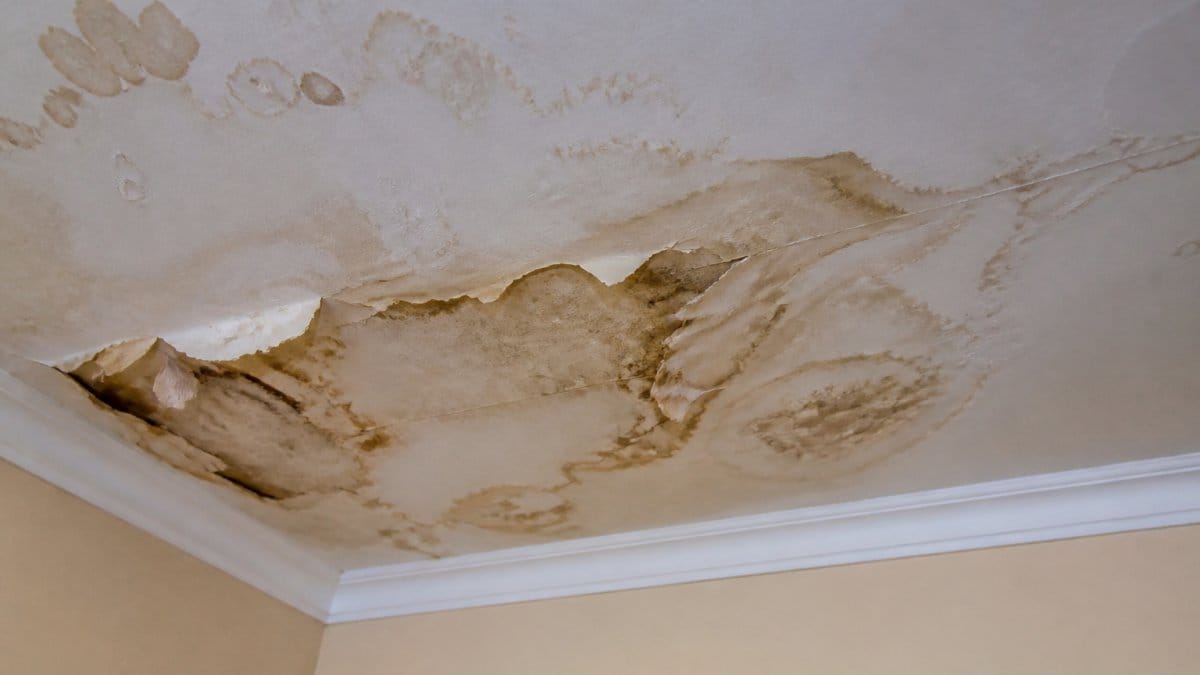
Not all water damage is structural. Surface-level damage, water stains, peeling paint, warped skirting boards, damp patches, is cosmetic but still visible and concerning to buyers.
Cosmetic damage signals that water has entered the property at some point. Even if the structural elements are sound, buyers worry about what might be hidden behind walls or under floors. A water-stained ceiling suggests roof leaks. Damp walls suggest rising damp or external water penetration. These concerns drive down offers.
Surface-level water damage can reduce property value. It’s less severe than structural damage, but it still matters. A property showing obvious water damage will receive lower offers than an identical property with a clean, dry interior.
Property Survey Signs of Water Damage
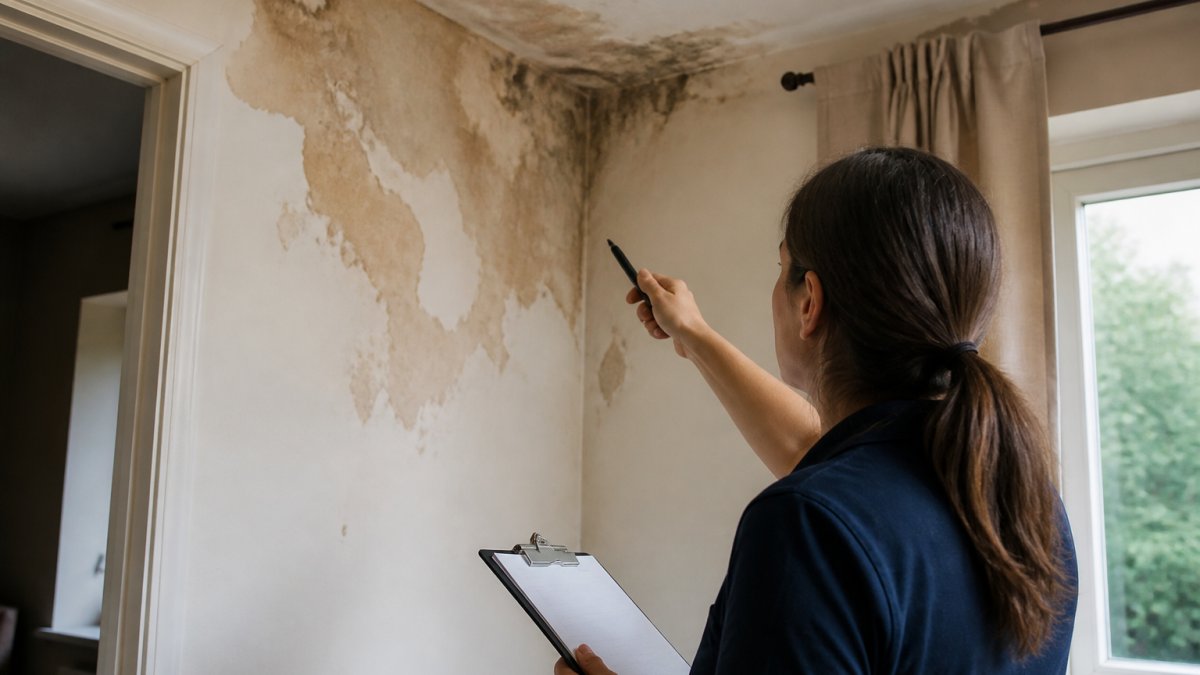
A professional surveyor will identify water damage during a property valuation. Buyers commission surveys specifically to catch these issues. Here’s what surveyors look for:
- Damp patches on walls or ceilings, visible discolouration indicating moisture
- Peeling or bubbling paint, paint lifting away from the surface due to moisture underneath
- Soft or spongy wood, floorboards, skirting boards, or structural timber that feels weak when pressed
- Mold or mildew growth, black spots or musty odours indicating persistent dampness
- Efflorescence, white salt deposits on brick or masonry from water evaporation
- Cracked plaster, cracks that follow moisture patterns rather than structural settling
- Staining on joists or beams, visible water marks on timber in lofts or under floors
- Rust stains, discolouration from corroded metal pipes or fittings
Surveyors document every sign of water damage in their report. Buyers read these reports carefully. A single mention of damp, mold, or water stains weakens the buyer’s negotiating position and gives them grounds to reduce their offer.
Selling a House After Water Damage
Selling a property with water damage requires transparency and strategic planning. You must disclose the damage to potential buyers, it’s a legal requirement. But you can control how you present the situation.
The best approach is addressing the damage before listing. Fix the underlying cause. Repair structural elements. Remove mold. Repaint walls. Replace damaged materials. When the property is in good condition, you can mention the past water damage in your listing disclosure without it becoming a major issue. Buyers see a property that had a problem but was properly repaired.
If you sell without repairs, buyers will demand steep discounts. They’ll factor in repair costs, inconvenience, and risk. Your negotiating position weakens significantly.
Timing matters too. If water damage is recent, wait for repairs to be completed and verified before listing. If damage is old and already repaired, get documentation proving the work was done properly. Receipts, invoices, and photos of completed repairs build buyer confidence.
Disclosing Water Damage When Selling a Property
Property law requires you to disclose known defects, including water damage. The Property Information Form (TA6) asks specifically about damp, flooding, and structural problems. You must answer honestly.
Misrepresenting water damage can expose you to legal liability and potential rescission of the sale. Buyers can seek recourse if they discover undisclosed water issues after purchase. It’s far better to disclose upfront and negotiate fairly.
When disclosing, provide context. Explain what caused the damage. Show evidence of repairs completed. Include receipts, certificates, and photographs. If a professional remediated the damage, provide their report. This transparency reassures buyers that the problem was handled properly.
Your conveyancer will guide you through the disclosure process. Be honest and complete. It protects you legally and builds trust with the buyer.
Get Your Free Roofing Quote Today! →
Flat Roof Drainage and Water Ingress
Flat roofs are particularly vulnerable to water damage because they don’t shed water as easily as pitched roofs. Standing water, blocked gutters, and poor drainage create conditions for leaks and water ingress.
A flat roof with drainage problems will eventually leak. Water finds its way through seams, around pipe penetrations, and through deteriorating membrane. Once water enters, it travels along the underside of the roof, potentially damaging insulation and interior finishes across large areas.
Buyers are wary of flat roofs. They know that flat roof maintenance is ongoing. They worry about future leaks and repair costs. A flat roof showing signs of water ingress, stains on ceilings below, damp patches, or visible pooling water, creates serious concerns.
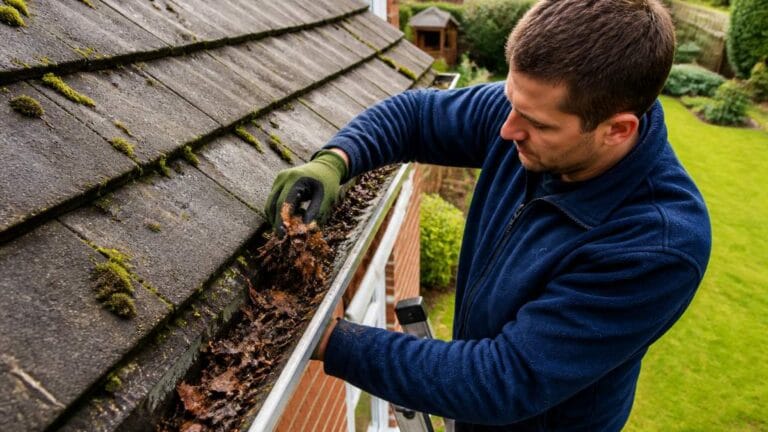
If you have a flat roof with drainage issues, address them before selling. Clear gutters. Repair membrane damage. Improve drainage. Consider a roof inspection to verify the system is sound. Documentation of recent maintenance and repairs increases buyer confidence and protects your property value.
Evershield Roofing specializes in flat roof solutions, including drainage assessment and repair. Proper flat roof maintenance prevents water damage and preserves your property’s value.
Mitigating Water Damage Before Sale
The most effective strategy is preventing and addressing water damage before you list your property. Here’s how to protect your investment:
Identify the source. Water damage always comes from somewhere, a leaking roof, failed gutters, rising damp, external water penetration, or burst pipes. Find the source and fix it. If the roof leaks, repair or replace it. If gutters are blocked, clean them. If external walls are letting water in, seal them. Stopping the water entry prevents future damage.
Repair structural damage. Replace rotted wood. Treat affected areas. Restore structural integrity. Hire qualified tradespeople and get their work certified. Buyers want proof that repairs were done properly.
Remove mold. Mold indicates persistent moisture. Clean affected areas thoroughly. Use professional mold remediation if necessary. Ensure the underlying moisture problem is solved, or mold will return.
Dry out the property. Use dehumidifiers and ventilation to remove moisture from the air. Open windows on dry days. Run extraction fans. Allow walls and materials to dry completely before redecorating.
Repaint and refinish. Fresh paint covers water stains and makes the property look clean. Replace damaged flooring, skirting boards, and other finishes. The goal is making water damage invisible to the buyer.
Get professional assessment. A surveyor or specialist can verify that water damage has been properly remediated. Their report provides documentation that satisfies buyers and their lenders.
Document everything. Keep receipts, invoices, photographs, and certificates. This documentation proves the work was done and done well. It gives buyers confidence that the property is sound.
Investing in repairs before sale typically costs less than accepting a reduced offer. A property in good condition sells faster and for more money.
Water damage threatens your property’s value and your ability to sell. Buyers and surveyors identify even minor signs of water exposure, and they adjust their offers downward accordingly. The solution is addressing water damage promptly and thoroughly before listing.
At Evershield Roofing, we understand how critical a sound roof is to protecting your property investment. Our team offers comprehensive roof repairs and maintenance services across Buckinghamshire. We identify water ingress problems early, fix them properly, and provide documentation that protects your property value. If you’re concerned about water damage or need a roof inspection before selling, contact Evershield Roofing for a free survey and let our 25 years of experience guide you through the process. A well-maintained roof preserves your home’s value and gives buyers confidence in their purchase.
| Damage Type | Impact on Value | Repair Timeline | Buyer Concern Level |
|---|---|---|---|
| Structural water damage | 15-25% reduction | 4-12 weeks | Very high |
| Surface/cosmetic damage | 5-10% reduction | 1-3 weeks | Moderate |
| Flat roof drainage issues | 10-20% reduction | 2-6 weeks | High |
| Mold from water exposure | 8-15% reduction | 2-4 weeks | High |
Pro Tip
Document all water damage repairs with photographs and receipts before listing your property. Buyers are far more willing to proceed when they see evidence that problems were professionally addressed.
Document all water damage repairs with photographs and receipts before listing your property. Buyers are far more willing to proceed when they see evidence that problems were professionally addressed.
Frequently Asked Questions
Does water damage reduce a property’s resale value?
Yes, water damage significantly reduces property resale value. The extent depends on the type and severity of damage. Structural damage from prolonged water exposure can reduce value, whilst surface-level damage may have a smaller impact. Buyers view water damage as a sign of underlying maintenance issues and potential future problems, making properties harder to sell and commanding lower offers.
What do surveyors look for when a property has had water damage?
Surveyors examine evidence of water ingress including staining on ceilings and walls, soft or rotting timber, mould growth, damp patches, and damage to plasterwork. They assess the extent of structural damage, check roof condition for leaks, inspect guttering and drainage systems, and look for signs of previous repairs. They also evaluate whether the cause has been properly addressed. A surveyor’s report documenting water damage history will directly influence buyer confidence and valuations.
Do I have to disclose past water damage when selling a property?
Yes, you must disclose water damage when selling a property. Under standard conveyancing practice, sellers must provide accurate information about any known defects, including past water damage. Failure to disclose can result in legal action from buyers after completion. Even if repairs have been completed, disclosure of the history is required. Your solicitor will guide you through proper disclosure on the Property Information Form.
Can a property sell after water damage has been properly repaired?
Yes, properties can sell successfully after water damage repairs, but the history must be disclosed and the repairs must be documented thoroughly. Buyers are more willing to proceed if you can provide evidence of professional remediation, structural assessments, and guarantees or warranties from the contractor. Getting a specialist roof or drainage repair from an experienced provider strengthens your position, as buyers gain confidence that the underlying cause has been permanently resolved.