Are Roof Financing Plans Worth the Cost?
Roof financing plans spread the cost of a new roof, but interest and fees add up. Compare the pros and cons of each option before you sign.

Quick Summary
Roof financing is worth it when a failing roof needs fixing now and you cannot pay cash, but it almost always costs more than paying upfront. Check the APR, all fees and the rate after any promotional period before you agree.
- Financing lets you act when damage is found, before water damage makes repairs far more costly.
- Interest and fees add to the headline price, so the total repayable can be noticeably higher than the quote.
- Promotional 0% APR deals only help if the balance is cleared before the offer ends.
- Borrowing against your home puts the property at risk if repayments fall behind.
- Compare the total cost of each offer with the cash price, and get a free survey and quote first.
Table of Contents
How Roof Financing Works and Who Offers It
Roof financing lets homeowners spread the cost of a new roof over months or years instead of paying the full bill upfront. For many households in Buckinghamshire, a full replacement can run to several thousand pounds, so the ability to pay monthly matters. Evershield Roofing offers finance, and you can ask us to explain the terms before any work begins.
Finance for roofing work usually comes from a handful of routes. Others rely on personal loans, credit cards, or home equity borrowing. Each route differs in how it is approved, how interest is charged, and what security, if any, you need to provide.
Eligibility depends on your credit history, income and existing debts. Lenders typically run a credit check before approving an application, and a missed payment can affect your credit file. Read the agreement carefully and ask the provider to confirm who is actually lending the money.
Financial Conduct Authority guidance on consumer credit and borrowing
The Main Advantages of Financing a New Roof
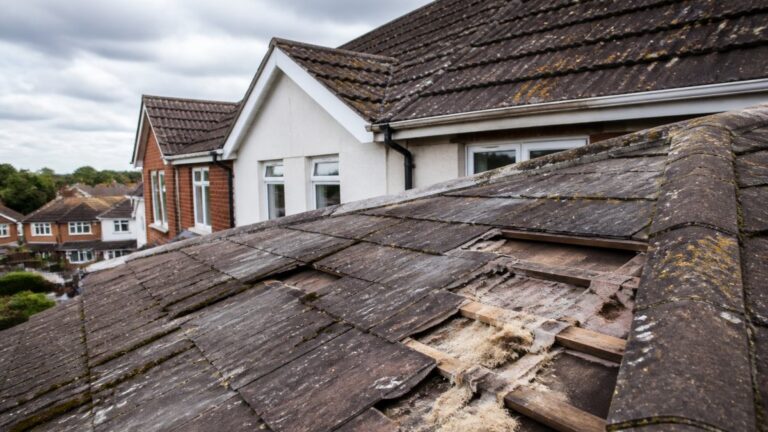
The biggest advantage is timing. A failing roof rarely waits for a convenient moment, and financing can let you act when the damage is found rather than when the savings are ready. Delaying repairs often leads to water damage inside the property, which can cost far more to fix. If the damage is limited to a few areas, a targeted roof repairs job may be enough to stop the leak while you plan the next step.
Financing also keeps your cash free for other needs. Holding savings in reserve for emergencies, a deposit or everyday bills can matter more than clearing the roofing cost immediately.
Promotional deals can reduce the cost. Some lenders offer 0% APR for a fixed period, meaning you pay only the capital. Check how long the offer lasts and what rate applies afterwards, because the promotional period is often the only interest-free window.
[Watch out: deferred-interest offers can charge interest backdated to the purchase date if the balance is not cleared before the promotion ends.]
The Main Drawbacks and Hidden Risks
Financing almost always costs more than paying cash. Interest and fees add to the headline price, and a long repayment term can make the total bill noticeably larger than the quote you first received.
Some risks are easy to miss. Arrangement fees, early repayment charges and penalties for late payment may not appear in the first summary. Variable interest rates can also rise during the term, increasing your monthly payments without you changing anything.
Securing a loan against your home carries more serious risk. If repayments fall behind, the lender may be able to enforce its security, so borrowing against property should only be considered after careful thought.
Quality is another concern. Financing a poor-quality installation leaves you repaying for work that may fail early. Check that the contractor is insured and that the warranty terms are clear, and get the scope of work in writing.
New Roof Finance Options UK: Personal Loans, Credit Cards, Equity Borrowing and Contractor Plans
Personal loans are unsecured, so your home is not used as security. They usually have fixed interest rates and set repayment terms, which makes budgeting straightforward. The rate you are offered depends heavily on your credit profile.
Credit cards can suit smaller jobs or short repayment periods. Some cards offer a promotional 0% period on purchases, but the rate after that period can be high, so clear the balance in time.
Home equity loans and lines of credit borrow against the value of your property. They can offer lower rates than unsecured options, but they put your home at risk if you cannot keep up repayments.
Contractor finance plans are arranged through the roofing company or its lending partner. They are convenient because the application happens alongside the quote, but compare the total repayable amount against a personal loan before you agree.
Roofing Finance Interest Rates and Fees: Working Out the Total Cost
The annual percentage rate (APR) is the most useful figure for comparing offers, because it includes many of the fees in a single percentage. The monthly payment alone can hide a higher total cost.
To work out the total cost, multiply the monthly repayment by the number of months in the term, then add any upfront fees. Compare that total with the cash price of the roof and the cost of a personal loan over the same period.
Ask about origination or arrangement fees, early repayment charges, and the interest rate that applies after any promotional period ends. Each of these can change the final figure significantly.
Roof Finance Monthly Payments and How to Check Affordability
Before committing, work out what you can comfortably repay each month without reducing essential spending. Include your existing debts, bills and a buffer for unexpected costs.
A simple test is to ask whether you could still make the repayments if your income dropped or an unexpected bill arrived. If the answer is no, consider a smaller loan, a longer savings period or a cheaper repair to delay the full replacement.

The Money Helper service, backed by the government, offers free budgeting guidance and can help you assess whether borrowing is sensible. MoneyHelper free debt and budgeting guidance
Questions to Ask a Roofing Finance Provider Before You Agree
Ask who the lender is and whether it is authorised by the Financial Conduct Authority (FCA Firm Checker). Request the full cost of credit, including the APR, all fees and the total amount payable.
Also ask what happens if you miss a payment, whether early repayment is allowed without penalty, and how the cooling-off period works. Get every answer in writing before you sign.
Booking a Free Survey and Quote Before You Commit to Finance
A survey shows the actual condition of your roof, which helps you decide whether a repair or a full replacement makes better financial sense. Evershield Roofing provides free surveys and quotes, so you can compare the price of the work against the cost of finance before borrowing anything. You can request a free survey and quote from Evershield Roofing to see the options for your property. If the roof needs more than a repair, you can also look at new roof installation options.
Once you have the quote, compare it with at least one other offer and check the warranty, the insurance cover and the payment schedule. A clear written plan makes the financing decision much easier to judge.
Frequently Asked Questions
What are the pros and cons of financing a new roof?
Financing lets you replace a failing roof now rather than waiting until you can pay in full, and it protects your home from further water damage. The drawbacks are the interest and any arrangement fees, which mean you pay more than the quoted price overall. Monthly repayments also become a fixed commitment for the term of the agreement. Before deciding, compare the total amount payable against what you would pay upfront, and make sure the repayments fit your monthly budget with some margin for unexpected costs.
Is it better to finance a roof or pay for it upfront?
Paying upfront usually costs less overall because you avoid interest and fees. Financing makes sense when you need urgent work, when you lack the savings, or when a 0% APR promotional offer applies and you can clear the balance before the promotional period ends. Be careful with deferred interest, where interest may be charged backdated if the balance is not cleared in time. Compare both routes using the total payable figure, not just the monthly amount.
What should I check before agreeing to a roofing finance plan?
Check the total amount payable, the annual percentage rate, any arrangement or early repayment fees, and whether the rate is fixed or variable. Confirm whether the offer is 0% APR only for a set period and what the rate becomes afterwards. Look at whether the lender is authorised by the Financial Conduct Authority, and check the Consumer Credit Act protections that apply to regulated agreements. Ask the roofing firm for a written quote so you can compare the price with and without finance.