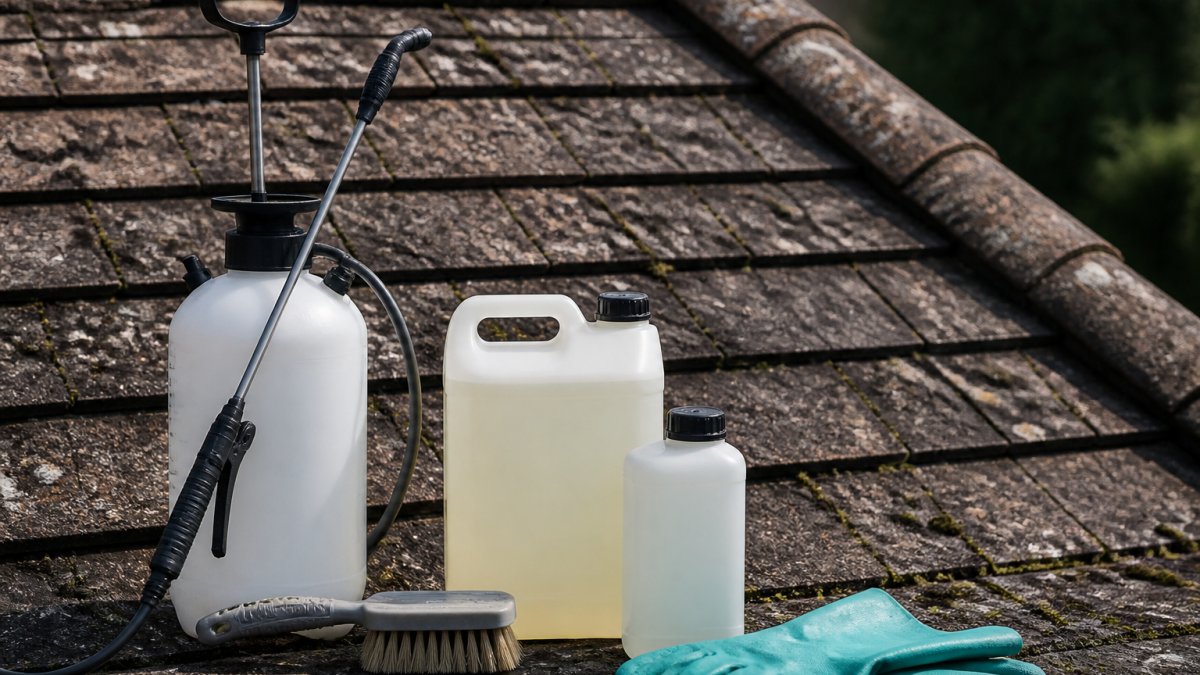
Best Roof Cleaning Products for London Properties
Discover the best roof cleaning products for London properties. Learn which solutions work best for moss, lichen, and pollution buildup on your roof.

Table of Contents
- Why Roof Cleaning Matters for London Properties
- Best Roof Moss Remover Products
- Roof Cleaning Products UK Homeowners Trust
- DIY Roof Cleaning Safety: Essential Precautions
- Roof Cleaning Cost UK: Budget and Professional Options
- When to Call a Professional Roof Cleaner
- Frequently Asked Questions
Last Updated: October 16, 2026
Why Roof Cleaning Matters for London Properties
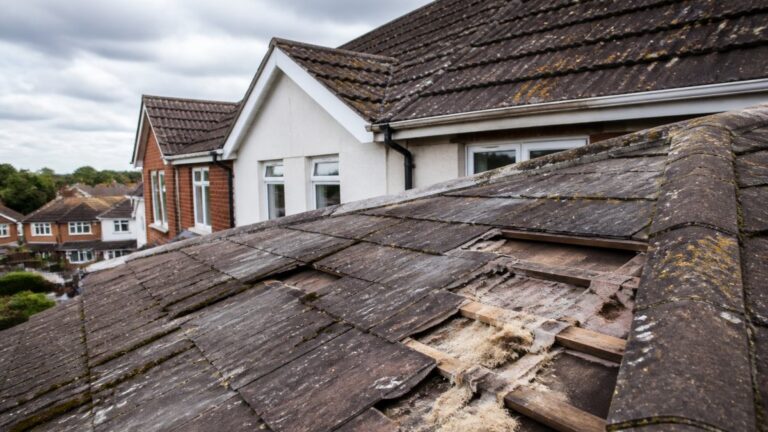
Moss and lichen thrive on London roofs. The city’s damp climate and pollution create ideal conditions for organic growth that degrades tiles and shortens roof lifespan.
Left untreated, moss traps moisture against your roof surface. This accelerates tile deterioration and can lead to leaks that damage interior walls and ceilings. The problem isn’t just aesthetic, it’s structural. Cleaning your roof regularly protects your investment and keeps water where it belongs: off your property.
The challenge is choosing the right approach. DIY methods range from pressure washing (which can damage tiles) to chemical treatments that vary wildly in effectiveness. Understanding your options helps you make a decision that actually works for your specific roof type and condition.
The UK Building Research Establishment guidance on roof maintenance emphasises that preventative cleaning extends roof life significantly. This is why property owners across London are investing in proper roof cleaning products and techniques rather than waiting for damage to appear.
Best Roof Moss Remover Products
The most effective roof moss removers work in two ways: they kill existing growth and prevent new spores from settling. Products containing biocides target the root of the problem rather than just scraping away visible moss.
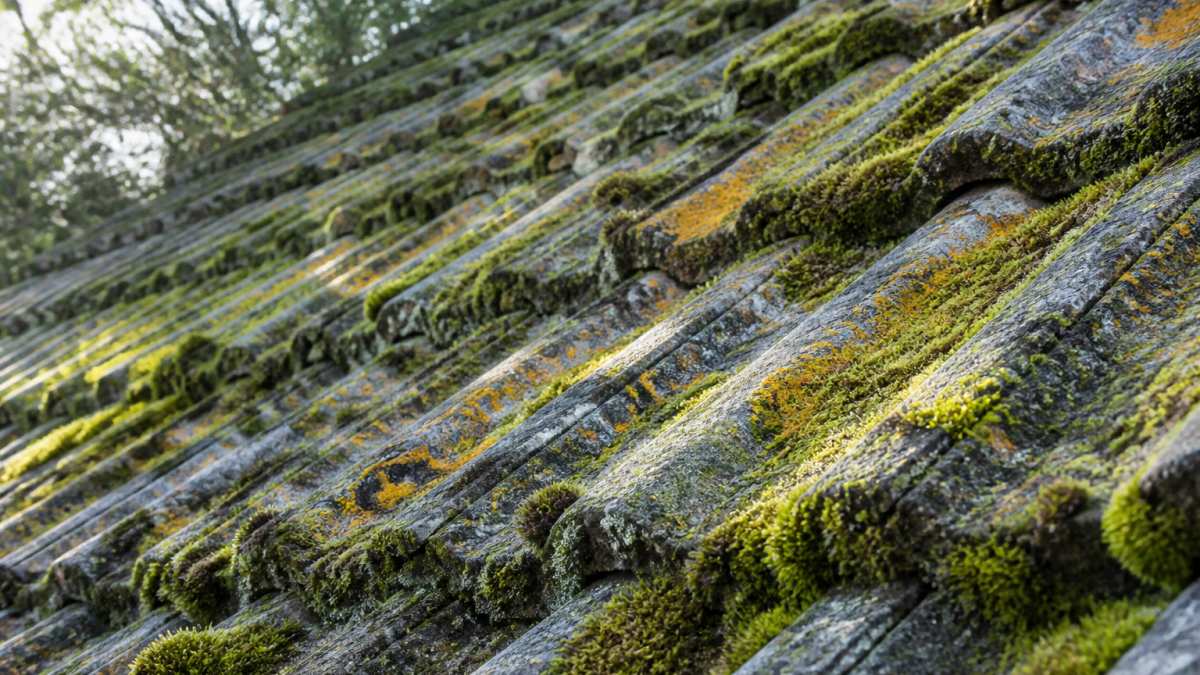
Moss removers fall into two categories. Chemical treatments dissolve moss at the cellular level, while physical methods (pressure washing, scraping) remove growth mechanically. Chemical options tend to be gentler on older tiles and more effective at preventing regrowth.
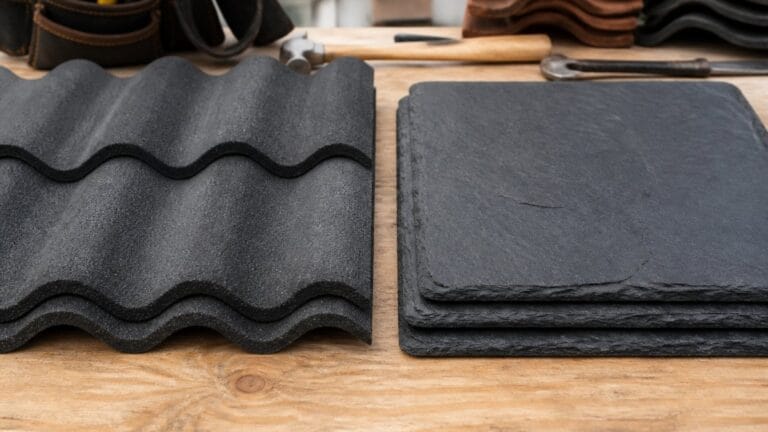
Look for products formulated specifically for roof application. These are designed to adhere to tile surfaces and work even in damp conditions. Many contain zinc or copper compounds, which naturally inhibit moss growth for months after application. The best roof moss remover products for London properties account for the region’s persistent moisture and frequent rain.
Application method matters as much as product choice. Spray-on treatments work best when applied in dry conditions and allowed to cure before rain. Some products require dilution; others come ready-to-use. Always check whether your roof type (slate, tile, asphalt shingle, flat roof) is compatible with your chosen product.
Pro Tip
Apply moss remover in late spring or early autumn when rain patterns are more predictable. This gives the treatment time to work before heavy winter rain arrives.
Apply moss remover in late spring or early autumn when rain patterns are more predictable. This gives the treatment time to work before heavy winter rain arrives.
Roof Cleaning Products UK Homeowners Trust
Biocides and Algaecides
Biocide-based roof cleaning products target the algae and moss at a microscopic level. These products prevent regrowth for extended periods, often six months or longer depending on climate and rainfall.
Algaecides work by disrupting cellular functions in algae and moss spores. They’re particularly effective for preventing new growth rather than removing established patches. Many UK homeowners use algaecides as a maintenance step after physically removing heavy moss buildup.
The advantage of biocide treatments is their longevity. A single application can protect your roof through an entire season. This makes them cost-effective for properties with recurring moss problems. Biocide treatments can be part of a comprehensive roof maintenance plan.
Zinc and copper compounds are the most common active ingredients in UK roof cleaning products. Both occur naturally and break down safely without harming plants or soil runoff. They’re particularly popular for heritage properties where aggressive chemical treatments might damage historic tiles.
Watch Out
Never mix different roof cleaning products unless the manufacturer explicitly states they’re compatible. Combining biocides with pressure-washing chemicals can create hazardous reactions and reduce effectiveness.
Never mix different roof cleaning products unless the manufacturer explicitly states they’re compatible. Combining biocides with pressure-washing chemicals can create hazardous reactions and reduce effectiveness.
Pressure Wash Alternatives
Pressure washing removes moss quickly but risks damaging roof tiles, especially older slate or clay varieties. The force can dislodge mortar, crack tiles, and strip protective coatings. For this reason, many London property owners prefer chemical alternatives that clean without mechanical force.
Soft-wash systems apply cleaning solutions at low pressure, allowing chemicals to do the work rather than water force. This method suits delicate roof materials and achieves thorough cleaning without structural risk. It’s particularly popular for Victorian and Edwardian properties where original tiles need preservation.
Foam-based roof cleaning products cling to tile surfaces longer than liquid sprays, giving chemicals more contact time to work. They’re especially useful on steep roofs where runoff is rapid. Many UK products now use foam delivery systems to improve effectiveness and reduce product waste.
Biodegradable roof cleaning products are increasingly available and perform well on London properties. These break down naturally without accumulating in soil or waterways. They’re ideal if you’re concerned about environmental impact or have sensitive landscaping near your roof.
DIY Roof Cleaning Safety: Essential Precautions
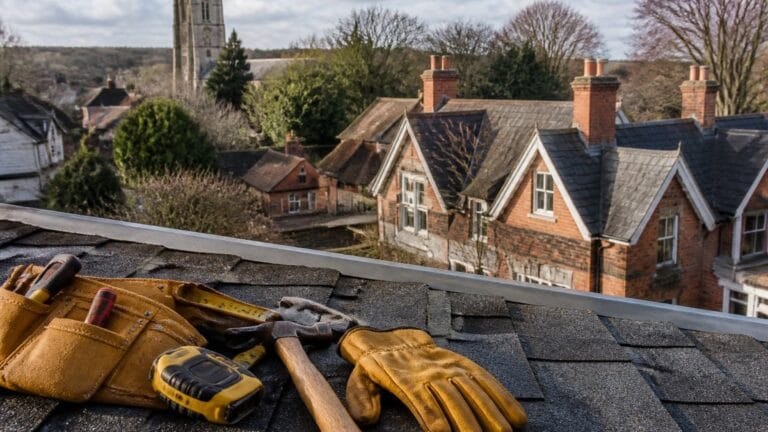
Working at height requires serious precautions. Falls from roofs cause severe injuries and death. Before attempting any DIY roof cleaning, assess whether you’re genuinely capable of working safely at that height.
Roof safety equipment is non-negotiable. A properly fitted harness anchored to a secure point, sturdy ladder placement, and non-slip footwear are minimum requirements. Many property owners find that hiring professionals for this step is worth the cost simply to avoid the risk.
Get Your Free Roofing Quote Today! →
Weather conditions affect safety dramatically. Never work on a wet or damp roof, moss and algae make surfaces slippery even when they don’t look wet. Wind can destabilise ladders and make footing uncertain. Choose calm, dry days only.
Product safety varies by formulation. Always wear gloves and eye protection when handling roof cleaning products. Ensure adequate ventilation if using chemical treatments. Read product labels carefully and follow dilution instructions exactly. Improper mixing or application can reduce effectiveness and create safety hazards.
Key Takeaway
If you’re uncomfortable working at height, have a steep roof, or lack proper safety equipment, professional cleaning is safer and often more effective than DIY attempts.
If you’re uncomfortable working at height, have a steep roof, or lack proper safety equipment, professional cleaning is safer and often more effective than DIY attempts.
Roof Cleaning Cost UK: Budget and Professional Options
Roof cleaning costs vary based on roof size, pitch, material, and contamination level. A small semi-detached house typically costs less than a large detached property or commercial building. Moss coverage affects pricing, heavily overgrown roofs require more intensive treatment.
DIY chemical treatments are the most budget-friendly option. Product costs range depending on coverage area and product quality. A single application of quality biocide might protect your roof for six months or longer, spreading the cost over time.
Professional roof cleaning services provide expertise and safety assurance. Professionals assess your specific roof condition and recommend appropriate treatments. They have access to commercial-grade products and equipment that deliver superior results compared to consumer products.
Evershield Roofing offers free surveys to evaluate your roof’s condition and recommend an appropriate cleaning approach. This assessment helps you understand whether your roof needs immediate intensive cleaning or preventative maintenance treatment.
Financing options are available for comprehensive roof maintenance programs. Rather than paying for individual cleaning sessions, some property owners arrange regular maintenance contracts that spread costs across the year.
When to Call a Professional Roof Cleaner
Professional roof cleaning becomes necessary when moss buildup is thick, your roof is steep or complex, or you lack proper safety equipment. Professionals handle dangerous situations safely and achieve results that DIY methods often cannot match.
If your roof has structural concerns, cracked tiles, missing sections, or visible damage, professional assessment is essential before cleaning. A qualified roofer can identify problems that cleaning might temporarily mask. We assess roof condition during cleaning to catch issues before they become costly repairs.
Commercial properties almost always benefit from professional roof cleaning. Business operations cannot tolerate safety risks, and professional results maintain property appearance and value. Regular professional maintenance prevents the moss and lichen buildup that damages commercial roofing investments.
Properties with heritage or historic roofs require specialist knowledge. Original tiles, slate, and traditional materials need cleaning methods that preserve their character and integrity. Standard pressure washing can damage irreplaceable materials. Professional cleaners experienced with historic properties understand these nuances.
If you’ve attempted DIY cleaning without satisfactory results, professional intervention can salvage the situation. Professionals can assess what went wrong and apply appropriate corrections. Sometimes damage from improper DIY attempts requires repair work alongside cleaning, another reason professional assessment is valuable.
Moss and lichen don’t just look unsightly, they actively damage your roof and shorten its lifespan. Regular cleaning with appropriate roof cleaning products protects your investment and prevents costly repairs. Whether you choose DIY chemical treatments or professional cleaning, the key is addressing the problem before it becomes severe.
Evershield Roofing provides professional roof cleaning services alongside our full range of roofing solutions. Our team assesses your specific roof condition and recommends the most effective approach for your property type and budget. With 25 years of industry experience, we understand climate challenges and how to address them effectively. Contact Evershield Roofing for a free roof assessment and cleaning recommendation today and protect your property from the damage that moss and organic growth cause.
| Cleaning Method | Best For | Safety Level | Durability |
|---|---|---|---|
| Chemical biocides | Prevention and light moss | High | 6-12 months |
| Soft-wash systems | Delicate tiles, heritage roofs | High | 6-9 months |
| Pressure washing | Heavy buildup removal | Medium | 3-6 months |
| Professional service | All roof types and conditions | Very high | 6-12 months |
Frequently Asked Questions
What is the best chemical for removing moss from roof tiles?
Biocides and algaecides are the most effective chemicals for moss removal. These products kill the moss at its source without damaging tiles. Sodium hypochlorite-based solutions work well for established growth, whilst gentler biocides suit preventative maintenance. Always check product compatibility with your roof material, slate, tile, and asphalt each respond differently. Apply in dry conditions and allow several weeks for the moss to naturally shed rather than scrubbing, which risks tile damage.
Is it better to clean a roof yourself or hire a professional for roof cleaning products application?
Professional cleaning is safer and more effective for most properties. Professionals have proper fall protection equipment, know which products suit your roof type, and understand local regulations. DIY cleaning carries significant fall risk and product misapplication can damage tiles or harm gutters. If you choose DIY, use low-pressure methods and never work alone. For steep roofs, moss-heavy buildup, or listed buildings, professional application of roof cleaning products is strongly recommended.
How often should a roof be cleaned in London?
Most London properties benefit from cleaning every 18 to 24 months, though this depends on tree coverage, aspect, and local pollution levels. Roofs facing north or shaded by trees accumulate moss faster and may need annual attention. Apply preventative biocides every 2 to 3 years to slow regrowth. Regular gutter cleaning, at least twice yearly, reduces debris that feeds moss. If you notice visible green growth or discolouration, schedule a professional assessment rather than waiting for a routine cycle.
How much does professional roof cleaning cost in the UK?
Professional roof cleaning costs depend on roof size, pitch, access, and contamination severity. Typical domestic properties range from a few hundred pounds for basic moss treatment to over a thousand for full deep cleaning with protective coatings. Many providers offer free surveys to provide accurate quotes. Preventative biocide application costs less than emergency moss removal. Finance options are often available to spread costs, and some insurers may contribute if cleaning prevents water damage. Contact local specialists for a tailored quote.