Best Roofing Materials for UK Weather: 5 Top Picks
Discover the 5 best roofing materials for UK weather. Compare durability, cost, and storm resistance to find the right fit for your Buckinghamshire home.

Table of Contents
- How We Chose the Best Roofing Materials for UK Weather
- 1. Natural Slate Roofing
- 2. Concrete Roof Tiles
- 3. Standing Seam Metal Roofing
- 4. Fibre Cement Slate
- 5. Clay Roof Tiles
- Why Flat Roof Drainage Is Important in the UK
- Key Signs of Roof Storm Damage to Check
- Frequently Asked Questions
Last Updated: September 9, 2026
Choosing the right roofing materials for UK weather conditions is one of the most important decisions a homeowner can make, given our propensity for rain, wind, and frost. The roof is your primary defence against the elements, and the wrong choice can lead to costly repairs and structural issues. At Evershield Roofing, we have installed and repaired roofs across Buckinghamshire for over 25 years, and we have seen firsthand which materials stand up to the local climate. In this guide, we break down the 5 best roofing materials for UK weather, comparing durability, cost, and suitability so you can make an informed choice.
How We Chose the Best Roofing Materials for UK Weather
Selecting the top materials comes down to how well they handle four specific threats: heavy rainfall, high winds, frost, and temperature fluctuations. A material that performs well in a dry climate can fail quickly here if it cannot cope with constant moisture or freezing conditions. We also weighed the lifespan of each option against its upfront cost, because the cheapest material is rarely the most economical over thirty years.
Our rankings are based on the materials most commonly specified by UK roofing professionals and their documented performance in our climate. We have prioritised options that meet British Standards for wind uplift, such as BS 5534, which governs the fixing of tiles and slates to resist severe weather. Guidance on BS 5534 from the UK roofing industry confirms that correct installation is as critical as the material itself.
The five materials below represent the best balance of weather resistance, longevity, and value for properties in the UK. Each has its own strengths, and the right one for you will depend on your property type, your budget, and the specific conditions in your area.
1. Natural Slate Roofing
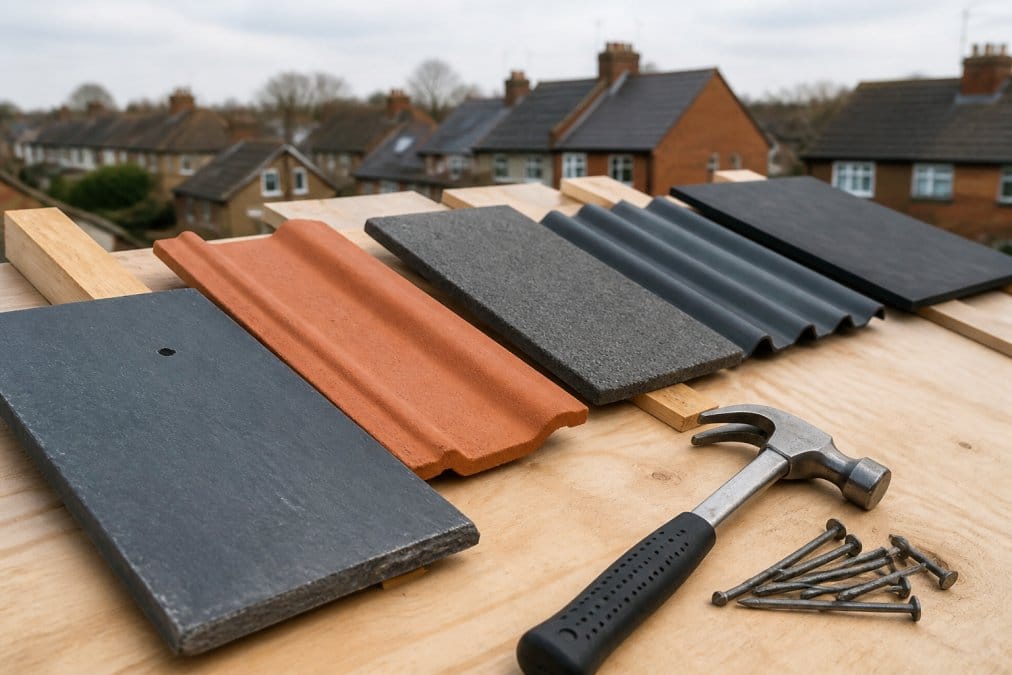
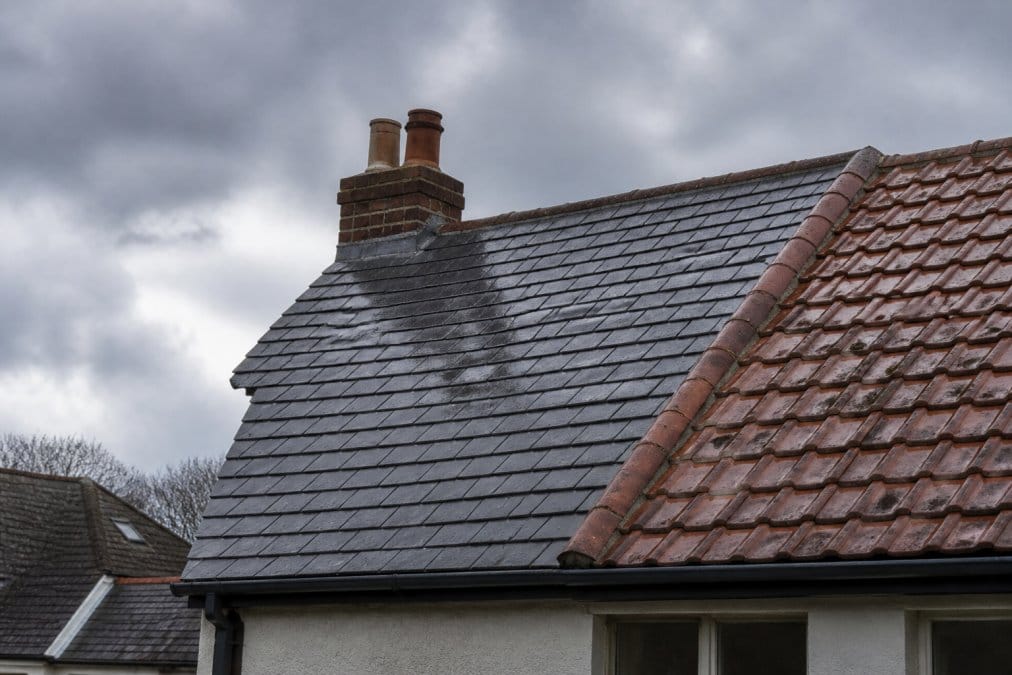
Natural slate is widely regarded as the premium roofing material for UK weather, and for good reason. It is a metamorphic rock that is naturally waterproof, frost-resistant, and capable of lasting over 100 years when properly installed. For heritage properties and homes in conservation areas across Buckinghamshire, slate remains the benchmark for both aesthetics and performance.
The material’s dense composition means it absorbs very little water, which is crucial in a climate where freezing and thawing cycles are common. This resistance to frost damage gives natural slate a significant advantage over more porous alternatives. It is also naturally fire-resistant, adding an extra layer of safety to your home.
The main drawback is cost. Natural slate is the most expensive option on this list, and it requires specialist labour to install correctly. A poorly fitted slate roof will fail regardless of the quality of the stone. The National Federation of Roofing Contractors on slate installation standards advises that only trained professionals should handle natural slate to guarantee its longevity.
Watch Out
Do not be tempted to cut costs by using a general builder for a slate roof. Incorrect nailing or fixing can void the material’s performance and lead to slipped slates within a few years.
Do not be tempted to cut costs by using a general builder for a slate roof. Incorrect nailing or fixing can void the material’s performance and lead to slipped slates within a few years.
2. Concrete Roof Tiles
For budget-conscious homeowners, concrete roof tiles offer the most reliable balance of cost and durability. These tiles are heavy and strong, providing excellent resistance to wind uplift and heavy rain, making them a dependable choice for exposed properties. They are also available in many profiles and colours, allowing you to achieve a traditional or modern look.
Concrete tiles are manufactured to consistent standards and, when laid correctly, can last 50 years or more. They perform particularly well in the wind-driven rain common in the UK, and their weight helps them stay put in severe storms. This is a material that offers genuine peace of mind without the premium price tag of natural stone.
The downsides are weight and maintenance. Concrete tiles are among the heaviest roofing options, so your roof structure must be strong enough to support them, which can add to installation costs. They are also more porous than slate or clay, meaning they can be prone to moss growth over time, particularly in damp, shaded areas.
Pro Tip
If you have a three-bed semi in Buckinghamshire and want a strong, long-lasting roof without the slate price tag, concrete tiles are the most practical choice. Regular cleaning to remove moss will extend their lifespan considerably.
If you have a three-bed semi in Buckinghamshire and want a strong, long-lasting roof without the slate price tag, concrete tiles are the most practical choice. Regular cleaning to remove moss will extend their lifespan considerably.
3. Standing Seam Metal Roofing
Standing seam metal roofing is a modern solution that is gaining popularity for its exceptional performance in extreme weather. Unlike traditional tiles, this system uses interlocking panels with raised seams that create a completely watertight barrier. This design makes it one of the most wind-resistant roofing materials available, ideal for properties in exposed, elevated positions.
The lightweight nature of metal roofing reduces stress on the building’s structure, which can be a significant advantage for older properties or those with less strong roof frames. It is also highly durable, with lifespans of 50 years or more, and is fully recyclable at the end of its life. Modern coated metals are designed to resist corrosion from constant rain exposure.
The main consideration is cost, which is higher than concrete or clay tiles, and the aesthetic, which suits contemporary architecture more than traditional cottages. VMZINC’s technical guidance on standing seam systems highlights that proper design of the seam and fixings is critical to achieving the advertised wind performance. Without adequate insulation, the panels can also be noisier than tiles during heavy downpours.
4. Fibre Cement Slate
Fibre cement slate offers the classic look of natural slate at a more accessible price point, making it a popular choice for homeowners who want the aesthetic without the premium cost. These slates are manufactured to consistent dimensions and are lightweight, which simplifies installation and reduces the load on your roof structure.
The material is highly resistant to the weather fluctuations common in the UK, including frost and heavy rain. Because each slate is identical, installation is faster and produces a uniform, clean appearance. Fibre cement is also available in a range of colours and finishes, from smooth to textured, allowing for flexibility in design.
The trade-off is longevity. Fibre cement slates typically last between 30 and 40 years, which is shorter than natural slate or clay. They also lack the unique character of natural stone, which can be a consideration for period properties where authenticity matters.
Best For
Homeowners who want the aesthetic of a slate roof on a more modest budget, or those with a roof structure that cannot support the weight of natural slate or concrete tiles.
Homeowners who want the aesthetic of a slate roof on a more modest budget, or those with a roof structure that cannot support the weight of natural slate or concrete tiles.
5. Clay Roof Tiles
Clay roof tiles are a traditional choice that has protected UK homes for centuries, and they remain an excellent option for weather resistance. These kiln-fired tiles are naturally water-resistant and frost-proof, and they retain their colour and character for decades. They are particularly well-suited to traditional and period properties, adding significant kerb appeal.
One of the standout features of clay is its aesthetic longevity. Unlike some materials that fade or discolour, clay tiles develop a desirable patina over time while maintaining their structural integrity. They also provide good thermal mass, which can help regulate temperature inside the home.
The main drawbacks are brittleness and cost. Clay tiles can crack under impact, such as from falling branches or heavy foot traffic, and individual replacements can be tricky to colour-match over time. They are also more expensive than concrete, placing them in a similar price bracket to the higher-end manufactured options.
Why Flat Roof Drainage Is Important in the UK
Flat roofs present a unique challenge in the UK climate because they cannot shed water as quickly as pitched roofs. The primary reason flat roof drainage is important is that standing water is the leading cause of premature failure, leading to leaks, ponding, and structural damage. A flat roof that is not designed with adequate falls and drainage will accumulate water after every downpour, especially during our wetter months.
The solution lies in a well-designed drainage system that includes sufficient falls towards outlets, gutters, and internal drains. Regular maintenance is also essential; blocked outlets or gutters can quickly cause water to back up and find its way through the membrane. For commercial properties and modern extensions, this is a critical consideration that is often overlooked until a leak appears.
At Evershield Roofing, we specialise in flat roofs and always assess drainage as part of our survey. A common mistake we see is a roof installed with insufficient fall, creating low spots where water pools. Addressing drainage during installation is far more cost-effective than dealing with a leaking flat roof later.
Key Signs of Roof Storm Damage to Check
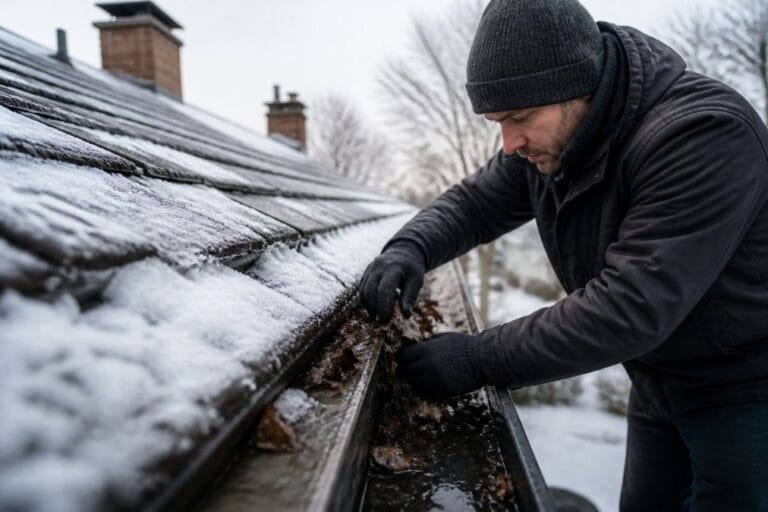
After a severe storm, it is wise to inspect your roof for damage, as small issues can quickly escalate into major leaks. The most obvious signs of roof storm damage include missing, cracked, or lifted tiles and slates. You should also check your gutters for an unusual amount of granules from asphalt shingles or broken tile fragments, which indicate that the roof surface has been impacted.
Inside your home, look for new damp patches on ceilings or walls, which can signal that water is penetrating the roof covering. Also check the loft for daylight showing through the roof structure or for wet insulation, both of which are clear indicators of a compromised roof. If you notice any of these signs, it is important to act quickly to prevent further damage to your property’s structure.
Watch Out
Walking on a roof after a storm is dangerous, especially if tiles are loose or the surface is wet. If you suspect damage, it is safer to arrange a professional inspection rather than climbing up yourself.
Walking on a roof after a storm is dangerous, especially if tiles are loose or the surface is wet. If you suspect damage, it is safer to arrange a professional inspection rather than climbing up yourself.
For those in Buckinghamshire concerned about the condition of their roof, Evershield Roofing offers free surveys to assess any storm damage and recommend the best course of action. Our team has extensive experience with all the roofing materials for UK weather listed above, from roof repairs to full replacements. We are fully insured and can guide you through the best material choice for your home and budget, with finance options available from 0% APR to make the work more manageable.
Frequently Asked Questions
What is the most durable roofing material for UK weather?
Natural slate is the most durable roofing material for UK weather, with a lifespan often exceeding 100 years. Its dense stone composition resists frost damage and heavy rainfall, making it ideal for wet climates. However, it requires specialist installation and carries a high upfront cost. For a balance of durability and affordability, concrete tiles offer excellent wind resistance and longevity of 50-60 years, making them a practical choice for many Buckinghamshire homes.
Which roofing material is best for high-wind areas in Buckinghamshire?
Standing seam metal roofing is the best choice for high-wind areas. Its interlocking seam design creates a watertight barrier that resists wind uplift far better than traditional tiles. Concrete tiles are also a strong option because their significant weight helps them stay anchored in strong gusts, provided they are installed to BS 5534 standards. A professional roofer can assess your property’s specific wind exposure before recommending the most secure material.
How often should I inspect my roof in the UK climate?
You should inspect your roof at least twice a year, ideally in spring and autumn, to prepare for the UK’s seasonal weather extremes. After any major storm, it’s wise to check for signs of roof storm damage, such as cracked or missing tiles and debris buildup. Regular inspections help catch small issues before they become costly leaks. If you’re unsure what to look for, a professional survey can identify weaknesses you might miss.
What are the pros and cons of clay tiles vs concrete tiles in the UK?
Clay tiles offer superior aesthetic longevity and colour retention, maintaining their character for decades without fading. They are naturally frost-proof and water-resistant, but they are more expensive and can crack under impact. Concrete tiles are the more economical option, providing excellent structural strength and wind resistance. Their main drawbacks are their heavy weight, which requires a robust roof structure, and a tendency to attract moss growth in damp UK conditions.
Choosing the right roofing material for UK weather is a balance of budget, aesthetics, and long-term performance. Whether you need a cost-effective concrete tile replacement or a premium natural slate installation, getting expert advice is the first step. Evershield Roofing combines 25 years of industry experience with a commitment to using only the best materials, ensuring your roof is strong, durable, and reliable. Get your free roofing quote today and protect your home against the elements.