How to File a Storm Damage Roof Insurance Claim
Learn how to file a storm damage roof insurance claim step-by-step. Includes documentation tips, timelines, and what to do if rejected. Get help today.

Table of Contents
- Assess and Document the Damage Immediately
- Review Your Insurance Policy and Coverage
- Contact Your Insurer and Report the Claim
- Hiring a Professional Roofer for Insurance Assessment
- Average Time to Settle Roof Insurance Claims
- What to Do If Your Roof Damage Claim Is Rejected
- Conclusion
- Frequently Asked Questions
Last Updated: September 4, 2026
Filing a storm damage roof insurance claim can feel overwhelming, especially when water is dripping through your ceiling and contractors are quoting different timelines. The process is straightforward once you understand the sequence: document everything, review your policy, notify your insurer, and secure professional evidence. This guide from Evershield Roofing, a Buckinghamshire roofing company with over 25 years in the industry, walks you through each stage so you can secure the settlement you are entitled to without unnecessary delays.
A storm damage roof insurance claim is a formal request to your home insurance provider for financial coverage of repairs caused by severe weather events. Most standard UK home insurance policies cover storm damage, but the burden of proof sits with you, the homeowner. Acting quickly and methodically is the difference between a smooth payout and a drawn-out dispute. Below, we break down the exact steps, what insurers look for, and how to respond if your claim is rejected.
Assess and Document the Damage Immediately
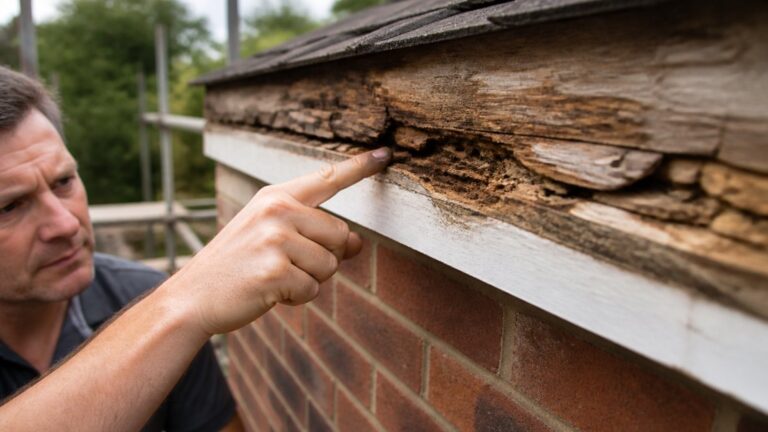
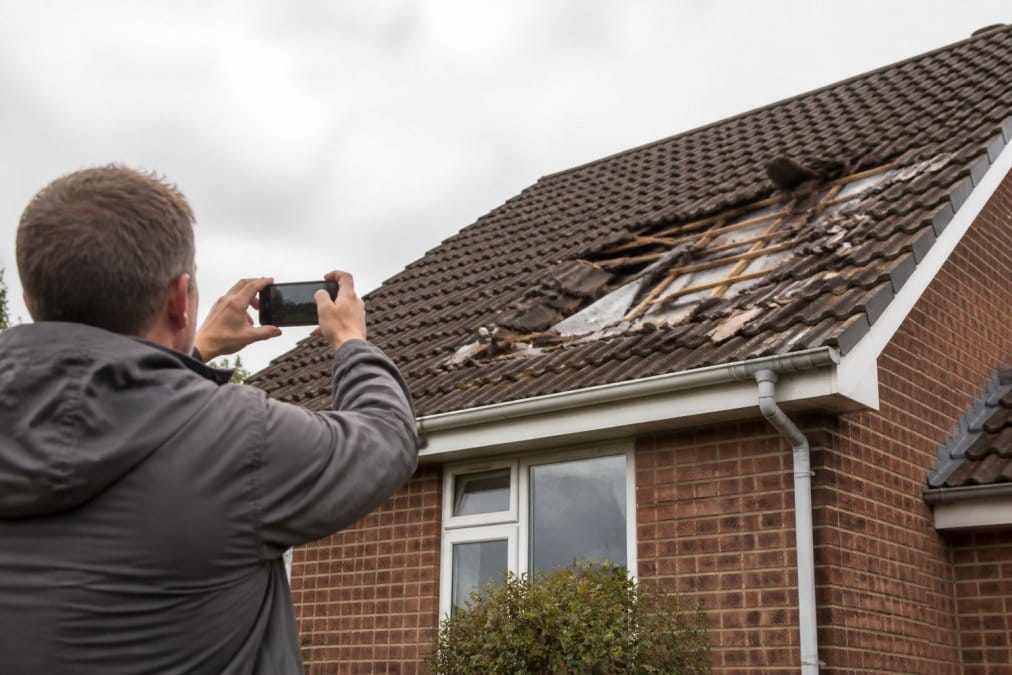
Your first priority after a storm is safety, followed by thorough documentation. Start by walking around your property and noting every visible sign of damage: missing or slipped tiles, cracked slates, damaged flashing around chimneys and valleys, and debris that may have struck the roof. Take photographs from multiple angles, both close-up and from a distance, so the overall context is clear.
Watch Out
Do not climb onto a wet or damaged roof to take photos. Slipped tiles and weakened structures make this genuinely dangerous. Photograph from ground level, from a neighbour’s upstairs window with permission, or use a drone if you have one.
Do not climb onto a wet or damaged roof to take photos. Slipped tiles and weakened structures make this genuinely dangerous. Photograph from ground level, from a neighbour’s upstairs window with permission, or use a drone if you have one.
A common mistake is documenting only the most obvious damage. Insurers assess the full extent, so check your guttering for dents and blockages, inspect loft spaces for water ingress and damp patches, and note any damage to garden structures or fences that supports your case that a severe storm occurred.
Safety First: When to Stay Off the Roof
If tiles are visibly lifted, the roof structure is compromised, or power lines are down, stay off the roof entirely. Your safety takes precedence over evidence gathering. Emergency roof repairs to prevent further water ingress, such as tarping a hole, are often permissible under your policy, but confirm this with your insurer first. Keep receipts for any emergency work, as these are typically claimable.
What Photos and Records You Need
Date-stamped photographs are your strongest evidence. Capture the damage on the day it happens where possible. Alongside photos, record the date and approximate time of the storm, and note the weather conditions. If you have neighbours who experienced similar damage, their insurance claims can corroborate that the storm was severe enough to cause structural harm. Keep a written log of every conversation you have with your insurer, including dates, names, and reference numbers.
Review Your Insurance Policy and Coverage
Before you contact your insurer, read your policy documents carefully. The key terms to identify are “storm damage” and any exclusions that could void your claim. Many policies exclude damage caused by lack of maintenance, so if your roof was already in poor condition, you may face difficulties. Look for the section on “buildings insurance” and check your excess amount, as this is what you will pay towards the repair.
An insurance policy excess typically ranges from £100 to £500 or more for storm claims. If the repair cost is close to your excess, it may not be worth claiming, as claims can affect your no-claims discount and future premiums. Consider whether the total claim value justifies the long-term cost. For a clearer picture of what UK insurers typically require, the Financial Conduct Authority’s guidance on insurance claims outlines consumer protections during the claims process.
Contact Your Insurer and Report the Claim
Once you have documented the damage and reviewed your policy, call your insurer to open a claim. Most insurers have a 24-hour claims line for emergencies. Report the claim as soon as possible, as delays can give insurers grounds to question whether the damage was pre-existing. When you call, you will be asked for your policy number, the date of the storm, and a description of the damage. Provide factual details, and do not speculate about the cause or extent of the damage.
What Information to Have Ready
Having the following information prepared will speed up the process considerably:
- Your policy number and the property address
- The exact date and approximate time of the storm
- A clear description of the damage and where it is located
- Your photographic evidence and any receipts for emergency repairs
- Details of any other properties affected nearby
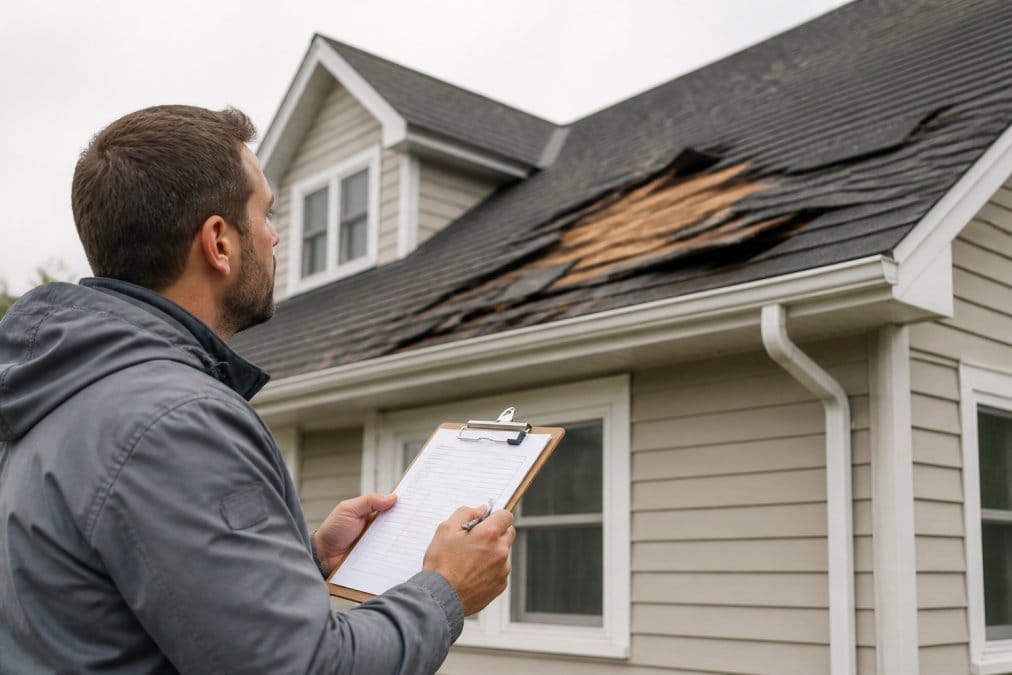
Your insurer will assign a claims handler and, in many cases, arrange for a loss adjuster to visit the property. The loss adjuster works for the insurer and will assess the validity of your claim and the cost of repairs. Be cooperative but precise in your answers, and share your documentation freely.
Hiring a Professional Roofer for Insurance Assessment
This is where a professional roofer becomes invaluable. While your insurer will send their own loss adjuster, you should also obtain an independent assessment from a reputable roofing contractor. An independent report provides a second opinion on the extent of the damage and the estimated repair cost, which you can use to negotiate if the insurer’s settlement seems too low.
A roofer experienced in insurance work will inspect the roof thoroughly, identify both obvious and hidden damage, and provide a detailed written report with photographs. This report is evidence that supports your claim. At Evershield Roofing, we regularly prepare these assessments for homeowners across Buckinghamshire, documenting findings so insurers have a clear picture of what needs repairing. Our team also handles the subsequent roof repairs, ensuring the work matches the assessment.
Why Your Insurer May Require a Surveyor
Your insurer may insist on a structural surveyor or specialist loss adjuster before approving the claim, particularly for larger or more complex damage. This is standard practice. The surveyor will verify the cause of the damage, check for pre-existing wear, and confirm that the repair costs are reasonable. Do not see this as a hurdle; it is a routine part of validating the claim. Ensure your independent roofer’s report is available for comparison when the surveyor visits.
Average Time to Settle Roof Insurance Claims
The time to settle a roof insurance claim in the UK varies considerably. Simple claims with clear photographic evidence and no disputes can be settled within two to four weeks. Claims requiring a loss adjuster visit, structural surveys, or negotiation over repair costs can take six to eight weeks or longer. The main factors affecting the timeline are the severity of the damage, the responsiveness of your insurer, and whether there is any disagreement over the cause or extent of the loss.
To keep your claim moving, respond promptly to all requests from your insurer, provide documentation without delay, and chase your claims handler for updates if you have not heard anything for a week. A professional roofing assessment submitted early can prevent disputes that extend the timeline. For a practical overview of what to expect when claiming, the Association of British Insurers’ consumer guide on making a claim explains the typical process and your rights.
What to Do If Your Roof Damage Claim Is Rejected
A rejected claim is not the end of the road. The first step is to understand why it was declined. Your insurer must provide a written explanation. Common reasons include a determination that the damage was caused by wear and tear rather than storm, that the roof was not maintained adequately, or that the damage falls below your policy excess. Read the reasoning carefully and compare it against your own evidence.
Common Reasons for Claim Denial
The most frequent reason for denial is a finding that the damage resulted from gradual deterioration, not a specific storm event. Insurers argue that worn or ageing roofs are the homeowner’s responsibility. Another common reason is that the damage was not reported promptly, giving insurers room to claim it worsened over time. Missing documentation, such as proof of the storm date, can also weaken your case.
How to Appeal a Rejected Claim
If you believe the rejection is unfair, you have the right to appeal. Start by submitting a formal appeal in writing to your insurer, including your independent roofer’s report and any additional evidence you have gathered. If the insurer upholds the rejection, you can escalate to the Financial Ombudsman Service, which is a free and independent body that resolves disputes between consumers and financial firms. the Financial Ombudsman Service’s guide on complaining about an insurance claim provides clear instructions on how to escalate your case. Many homeowners successfully overturn initial rejections by presenting a thorough, professional assessment that challenges the insurer’s findings.
Conclusion
Filing a storm damage roof insurance claim demands patience, thorough documentation, and the right professional support. Act quickly to secure your property, photograph everything, understand your policy, and never accept a first offer without independent scrutiny. If your claim is rejected, appeal with evidence rather than giving up.
A professional roofing assessment can be the deciding factor in whether your claim succeeds. At Evershield Roofing, we offer free surveys and detailed reports that insurers take seriously, backed by over 25 years of experience across Buckinghamshire. Our fully insured team handles roof repairs of all sizes and provides expert guidance from the first inspection to the final repair.
Frequently Asked Questions
Does standard UK home insurance cover storm damage to roofs?
Most standard home insurance policies in the UK do cover storm damage to your roof, but coverage depends on your specific policy wording and the cause of the damage. Storm damage is typically covered under buildings insurance if you have it. However, damage from lack of maintenance, wear and tear, or gradual deterioration is usually excluded. Always check your policy documents carefully or contact your insurer directly to confirm your coverage before filing a claim for roof damage.
What evidence do I need to provide when filing a storm damage roof insurance claim?
Your insurer will expect clear photographic evidence of the damage, including close-ups and wider shots from multiple angles. Provide the date the damage occurred, weather reports confirming the storm, receipts for any emergency repairs, and a detailed written description of what happened. Keep all documentation organised and dated. Your insurer may also request a professional surveyor’s report, so be prepared to arrange an assessment from a qualified roofer if they require one.
How long do I have to report storm damage to my insurer?
Most insurance policies require you to report damage as soon as reasonably possible, typically within 30 days of the incident. Some policies may allow longer, but delaying your claim can weaken your position and make it harder to prove the damage was caused by the storm. Report the damage immediately after you’ve documented it safely and contacted emergency repair services if needed. Check your policy wording for your specific insurer’s deadline.
What should I do if my roof insurance claim for storm damage is rejected?
If your claim is rejected, request a detailed explanation in writing from your insurer. Review the rejection letter carefully and check whether it relates to policy exclusions, insufficient evidence, or a dispute about the cause. You can appeal the decision by submitting additional evidence, a professional surveyor’s report, or a letter from your roofer. If the insurer maintains the rejection, you can escalate to the Financial Ombudsman Service (FOS), which is free and independent, to review the decision.
Getting your roof repaired after a storm should not be a battle with your insurer. When you need a thorough assessment or reliable repairs, speak to a team that understands the claims process inside out. Get your free roofing quote today and let Evershield Roofing protect your home.