What’s Included in a Standard Roof Inspection
Discover what a standard roof inspection includes, how long it takes, and why regular checks protect your home. Learn the key components inspectors assess.

Table of Contents
- What Is a Standard Roof Inspection?
- Key Components of a Roof Inspection
- Signs of Roof Damage UK Homes Should Know
- How Long Does a Roof Inspection Take?
- Roof Inspection Checklist UK Homeowners Can Use
- Why Regular Inspections Matter
- Conclusion
Last Updated: August 18, 2026
What Is a Standard Roof Inspection?
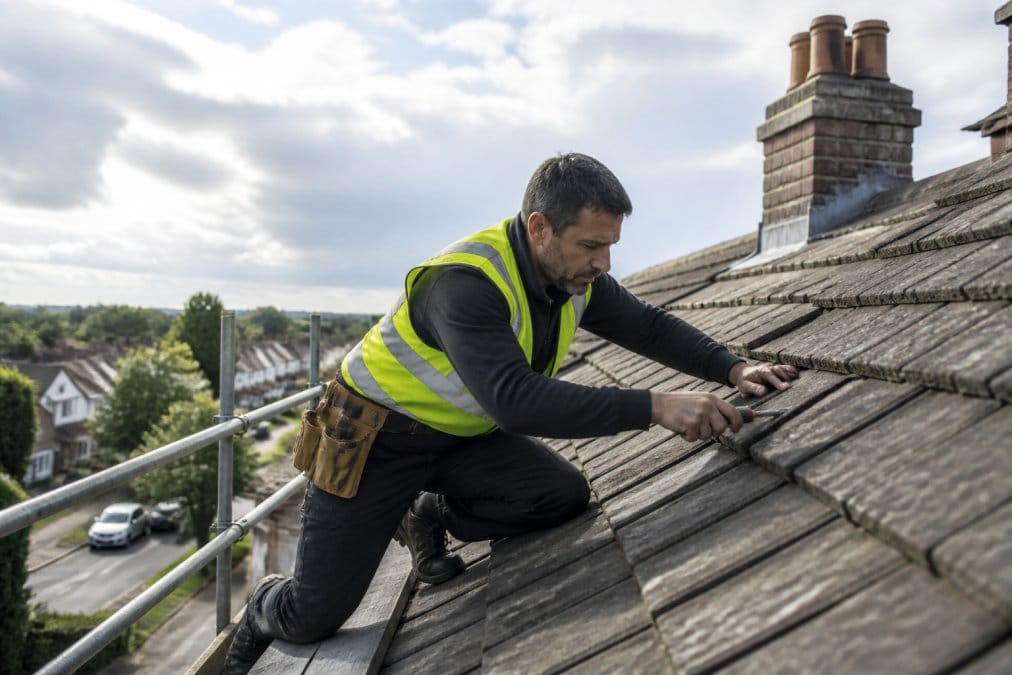
A standard roof inspection is a comprehensive assessment of your roof’s condition, structure, and components to identify damage, deterioration, and maintenance needs. It involves a qualified surveyor or roofer systematically examining the external surfaces, internal structure, drainage systems, and attached elements like chimneys and vents.
At Evershield Roofing, we approach every inspection with the same rigour we bring to repairs and replacements. The inspection process serves two critical purposes: it catches problems early before they become expensive emergencies, and it provides you with a clear picture of your roof’s remaining lifespan.
Most homeowners don’t realise that a standard roof inspection differs significantly from a quick visual check. A proper inspection involves climbing onto the roof, testing materials, checking for water ingress, and documenting findings with photographs. The goal isn’t just to spot obvious leaks, it’s to identify the early warning signs that precede them.
Regular inspections are especially important in areas like London and across Buckinghamshire, where weather patterns shift between heavy rainfall, frost, and high winds. These conditions accelerate wear on roof materials, making proactive inspections invaluable for protecting your investment.
Key Components of a Roof Inspection
A thorough standard roof inspection covers multiple distinct areas. Each component tells you something different about your roof’s health and what maintenance or repairs might be needed.
External Roof Surface Assessment
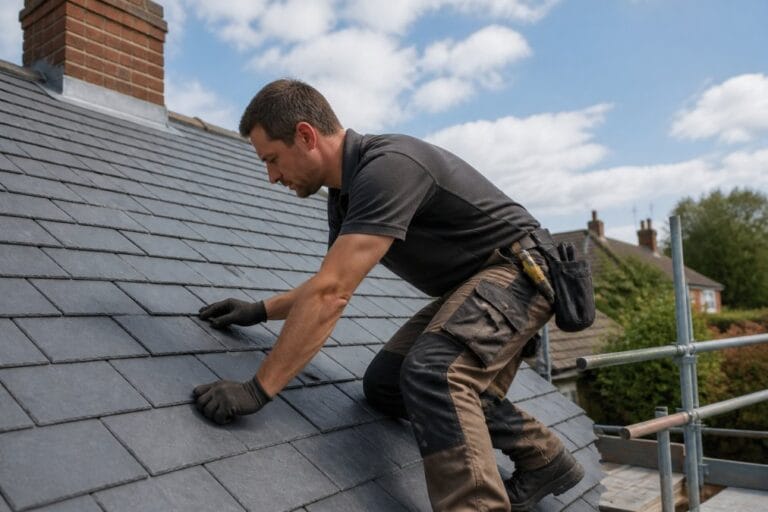
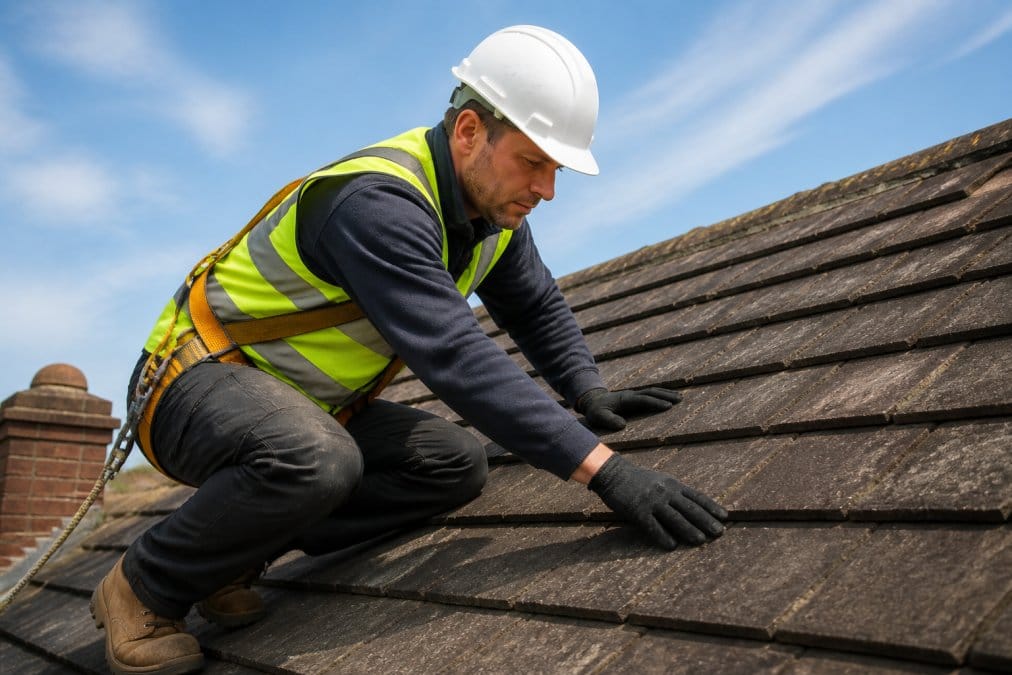
The external surface is where the most visible damage typically appears. During this phase, the inspector examines roof tiles, shingles, or membrane materials for cracks, missing pieces, curling, or blistering. On pitched roofs, this means checking every tile systematically. On flat roofs, the membrane is assessed for punctures, seams that are separating, and areas where water might pool.
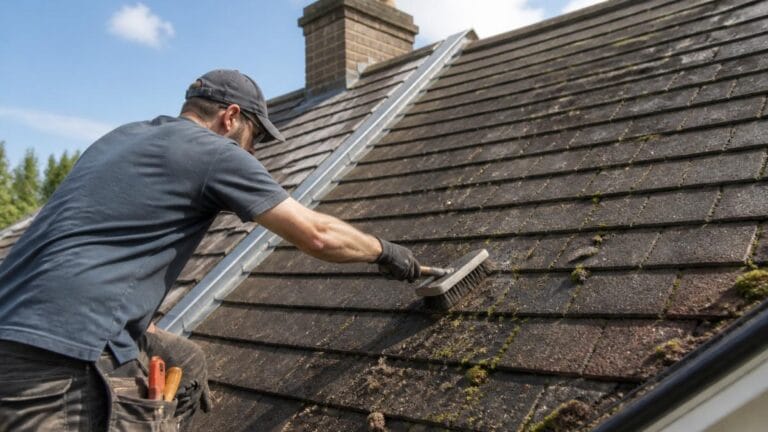
The inspector also looks for signs of biological growth, moss, lichen, or algae, which can trap moisture and accelerate material degradation. In London and surrounding areas, moss growth is particularly common due to humidity and shade from nearby trees. Many homeowners assume moss is purely cosmetic, but it can trap water against the surface and shorten your roof’s lifespan by years.
Granule loss on asphalt shingles is another critical finding. When you see granules collecting in your gutters, it signals that the shingles are reaching the end of their useful life. The inspector documents the extent and location of these issues, which helps determine whether repairs or full replacement is more cost-effective.
Flashing and Seals
Flashing is the metal or rubber material that seals joints where the roof meets walls, chimneys, vents, and skylights. It’s one of the most common sources of leaks because it experiences constant expansion and contraction with temperature changes.
During inspection, the surveyor checks whether flashing is properly sealed, whether sealant has cracked or shrunk, and whether the flashing itself shows rust, gaps, or separation from the surface it’s supposed to protect. Around chimneys especially, flashing failures are nearly inevitable over time, the constant heat cycling causes materials to fail faster than on other parts of the roof.
The inspector also examines boot seals around vent pipes. These rubber or plastic boots degrade in sunlight and can crack, allowing water to run down the inside of the vent and into your home. Replacing failed boots is straightforward and inexpensive, but the damage they cause if left unaddressed can be substantial.
Gutters and Drainage
Your gutters are an extension of your roof’s drainage system. A standard roof inspection includes checking whether gutters are securely fastened, whether they’re clogged with debris, and whether water flows properly toward downpipes.
Standing water in gutters indicates that the gutter is sagging or pitched incorrectly. This causes water to pool, which leads to rot in fascias and soffits, and eventually allows water to back up under the roof edge. The inspector looks for signs of this damage, soft spots in timber, rust stains, or visible rot.
Downpipes are checked to ensure they direct water away from the building’s foundation. If downpipes discharge directly against the property or empty into areas where water pools, foundation damage and damp problems can develop over time. Proper drainage is as important to roof longevity as the roof materials themselves.
Chimneys and Vents
Chimneys are structural elements that pass through the roof, and they create complex flashing situations. The inspector examines the mortar between chimney bricks for cracks or missing sections, checks the flashing seal around the base, and looks for signs of water penetration inside the chimney structure.
Roof vents, including soil vents, extraction vents, and ridge vents on pitched roofs, are checked for proper sealing, cracks, or separation from the roof surface. Vent boots can fail independently of the roof material itself, so they’re inspected as distinct components. On flat roofs, vent penetrations are particularly vulnerable because water pools around them rather than draining away.
The inspector also checks whether vents are clear of blockages. A blocked soil vent can cause drainage problems inside the property, and a blocked ridge vent reduces the roof’s ability to breathe, potentially trapping moisture in the roof space.
Signs of Roof Damage UK Homes Should Know
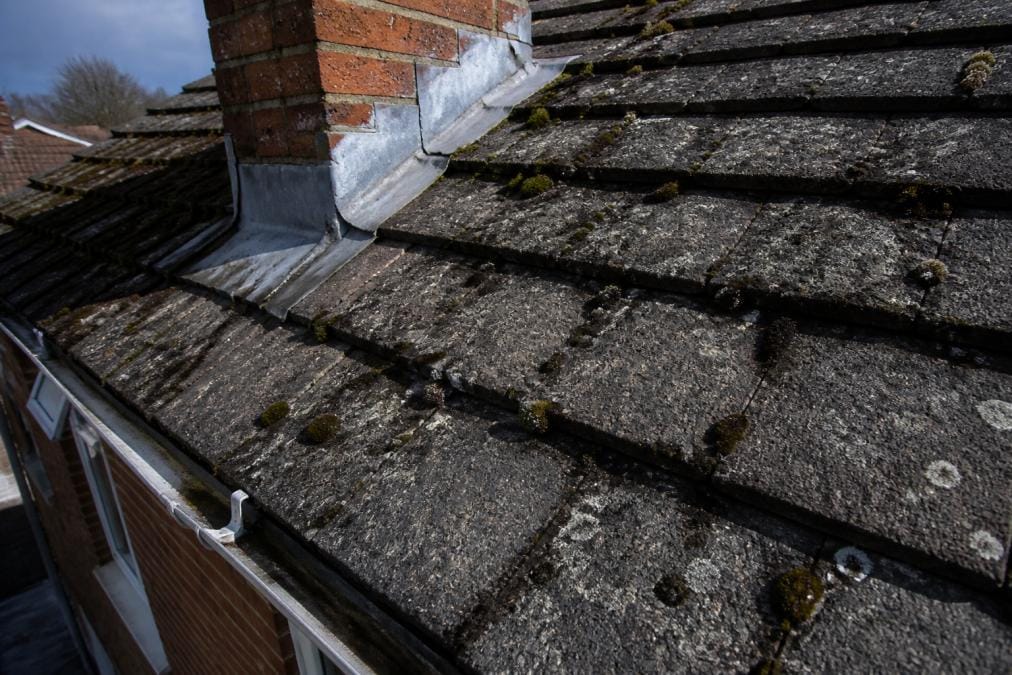
Understanding what damage looks like helps you recognise when a professional inspection is overdue. Some signs are obvious; others are subtle but equally important.
Interior water stains on ceilings or walls are the clearest indicator of a roof problem. Water stains often appear months after the actual leak occurs, because water travels along roof timbers before dripping into the property. By the time you see a stain, the leak has likely been active for a while.
Missing or damaged tiles are visible from ground level on pitched roofs. If you notice tiles missing after high winds, or if you see cracked tiles when looking at your roof from a distance, those areas need urgent attention. A single missing tile can allow water to penetrate the roof structure, affecting a much larger area.
Sagging roof lines suggest structural problems. If the roof appears to dip or sag between support points, this indicates either timber rot, failed support structures, or excessive weight. This requires immediate professional inspection because it’s a safety issue.
Rust stains on fascias or gutters point to metal corrosion. Rust spreads, and once it starts, it accelerates. Stained areas should be treated before rust compromises the structural integrity of gutters or flashing.
Get Your Free Roofing Quote Today! →
Granule loss from asphalt shingles is visible in gutters and downpipes. If you’re finding significant quantities of granules, your shingles are deteriorating and replacement is approaching.
Moss or algae growth is common in damp climates, particularly on north-facing slopes or areas shaded by trees. While moss itself doesn’t immediately destroy roof materials, it traps moisture and accelerates degradation.
Sagging gutters or gutters pulling away from the fascia are signs of failed fixings or rotting timber behind them. Water will begin to run behind the gutter, causing damage to the property’s walls and structure.
How Long Does a Roof Inspection Take?
The duration of a standard roof inspection depends on the roof’s size, complexity, and condition. A straightforward pitched roof on a semi-detached house typically takes 45 minutes to 90 minutes. Larger properties, complex roof designs with multiple levels, or roofs with numerous chimneys and vents can take 2-3 hours.
Flat roofs are often quicker to inspect because there’s less variation in the surface, though they require careful attention to membrane condition and any pooling water. Commercial properties with large flat roofs may take longer depending on accessibility and the number of roof penetrations.
The inspector needs sufficient time to examine every section systematically, take photographs, test materials where necessary, and prepare a detailed report. Rushing an inspection compromises the quality of findings, which defeats the purpose of having one done.
Weather conditions affect inspection timing. High winds or rain may delay or prevent roof access for safety reasons. Most inspectors schedule inspections during dry weather windows to ensure safe working conditions and accurate observations.
Roof Inspection Checklist UK Homeowners Can Use
Having a roof inspection checklist helps you understand what a professional should be examining. You can also use this as a starting point if you’re doing a preliminary visual check from ground level or from an attic space.
| Component | What to Check | Why It Matters |
|---|---|---|
| Roof tiles/shingles | Cracks, missing pieces, curling, colour fading | Damaged materials allow water penetration |
| Flashing | Rust, gaps, separation, cracked sealant | Flashing failures are the most common leak source |
| Gutters | Blockages, sagging, rust, secure fixings | Poor drainage causes water damage to fascias and walls |
| Downpipes | Clear discharge, rust, secure fixings | Blocked or misaligned downpipes direct water toward foundations |
| Chimneys | Mortar cracks, flashing seal, brick damage | Chimneys are structural weak points for water entry |
| Vents | Secure seals, cracked boots, blockages | Vent failures allow water and pests into the property |
| Moss/algae | Extent of growth, affected areas | Biological growth traps moisture and accelerates decay |
| Roof structure | Sagging, visible rot in timbers (from attic) | Structural damage is a safety issue requiring urgent repair |
| Valleys | Debris accumulation, flashing condition | Valleys are natural water channels and prone to leaks |
| Fascias/soffits | Rot, paint failure, insect damage | Damaged fascias allow water into the roof space |
Use this checklist during a visual inspection from ground level or when examining your attic space. However, a proper standard roof inspection by a qualified professional will be far more thorough and will identify issues you can’t see from below.
Why Regular Inspections Matter
Regular inspections are preventative maintenance in its truest form. Catching a small flashing problem during an inspection costs far less to repair than dealing with the water damage, rot, and structural issues that develop when that problem is ignored for years.
Insurance companies often require evidence of regular roof maintenance. If a claim is made and the insurer discovers the roof was neglected, they may deny the claim. Inspections provide documented proof that you’ve maintained the property responsibly.
Your roof’s lifespan depends significantly on how well it’s maintained. A roof that receives regular inspections and prompt repairs can last 10-15 years longer than one that’s neglected. Given that roof replacement is a major expense, extending your roof’s life through inspections is a sound financial decision.
In areas like London and across Buckinghamshire, where weather can be unpredictable and severe, regular inspections help you prepare for seasonal challenges. Autumn inspections catch damage before winter weather arrives. Spring inspections assess winter damage and allow repairs before the summer wet season.
Emergency repairs are far more disruptive and expensive than planned maintenance. If your roof fails catastrophically during a storm, you’re facing emergency contractor fees, potential water damage to the interior of your property, and the stress of urgent repairs. Regular inspections help you avoid these scenarios.
Evershield Roofing recommends annual inspections for most properties, with additional inspections after severe weather events. This schedule ensures that problems are caught early and that your roof remains in optimal condition throughout its lifespan.
A standard roof inspection is your best defence against expensive roof failures and water damage. It provides you with clear information about your roof’s condition, helps you plan maintenance and repairs, and protects your property investment.
If you’re concerned about your roof’s condition or can’t remember when it was last inspected, now is the time to arrange a professional assessment. Evershield Roofing offers comprehensive roof inspections across the region, with a detailed report and recommendations for any issues found. Our team has over 25 years of experience identifying roof problems early, before they become emergencies. Contact Evershield Roofing for a free roof inspection quote and get peace of mind knowing your roof is in expert hands.
Frequently Asked Questions
How often should I have my roof inspected in the UK?
Most homeowners should arrange a professional roof inspection every two years, or annually if your property is over 20 years old. After severe weather such as storms or high winds, an inspection is essential to identify any damage early. Regular inspections help catch problems before they become costly repairs.
What are the signs that my roof needs a professional inspection?
Look for missing or cracked tiles, sagging roof sections, water stains on ceilings, moss or algae growth, damaged flashing around chimneys, or debris in gutters. If you notice any of these signs of roof damage, contact a professional immediately. Leaks or damp patches inside your loft are also clear indicators that an inspection is overdue.
How long does a roof inspection take?
A standard roof inspection typically takes between 1 to 2 hours, depending on the size and complexity of your roof. Pitched roofs on detached properties may take longer than terraced homes. The inspector will examine both the exterior surfaces and interior loft space, and will provide a detailed report of their findings afterward.
Do roof inspections cover the interior of the loft?
Yes, a comprehensive roof inspection includes checking the loft interior for signs of leaks, water damage, proper ventilation, and structural issues. The inspector will look for damp, mould, inadequate insulation, and any evidence of pest activity. This internal assessment is crucial for identifying problems that may not be visible from outside.