Roof Guarantee and Warranty Explained for Homeowners
A roof guarantee explained: see how workmanship and material cover differ and how long protection lasts. Check these points before you sign a quote.

Last Updated: November 4, 2026
Quick Summary
A roof guarantee is a written promise from the roofing contractor covering their workmanship, while a warranty usually comes from the manufacturer covering the materials. Most homeowners use the terms interchangeably, but they protect against very different failures, so ask which party stands behind which failure before you sign anything.
- Workmanship cover protects against installation error, while material cover protects against the product itself failing.
- Pitched tile and slate roofs typically carry 10 to 25 years of workmanship cover, depending on the system and accreditation.
- A pro-rata manufacturer warranty reduces the payout as the roof ages, and labour, scaffolding and disposal are usually excluded.
- Check that any guarantee period is stated in years with a clear start date from completion of the work.
- Blocked gutters, moss buildup and unchecked flashings are the classic reasons a roofing claim gets refused.
Table of Contents
- Roof Guarantee vs Warranty: What’s the Difference?
- What Does a Roof Guarantee Cover?
- Roof Guarantee Length: How Long Should Yours Last?
- Transferable Roof Guarantee When Selling a House
- Insurance-Backed Guarantees and the Fine Print Checklist
- Keeping Your Guarantee Valid: Maintenance and Common Exclusions
- Get Your Free Roofing Survey and Written Guarantee
- Frequently Asked Questions
Roof Guarantee vs Warranty: What’s the Difference?
A roof guarantee is a written promise from the roofing contractor covering their workmanship, while a warranty usually comes from the manufacturer covering the materials. Most homeowners use the terms interchangeably.
At Evershield Roofing, we explain this distinction to homeowners across Buckinghamshire, often after a leak has already appeared. The confusion is understandable. A guarantee and a warranty can both be called a “written assurance” in a contract, yet one may cover installation error and the other only a material defect.
Workmanship Warranty vs Material Warranty
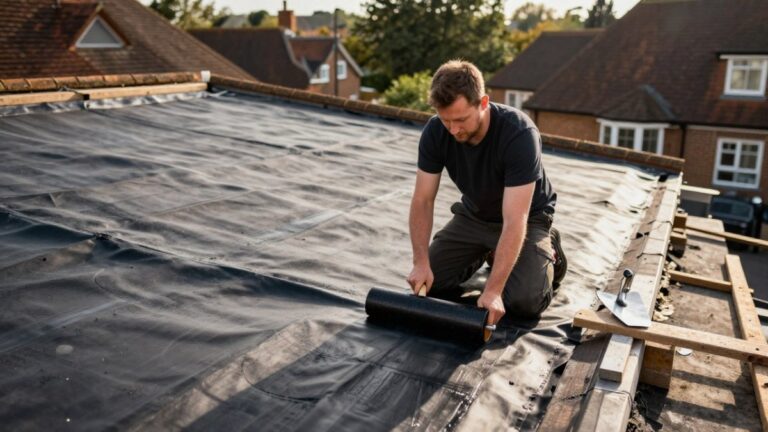
Workmanship cover protects you against installation error: a poorly sealed flashing, a misaligned tile, a flat roof laid with the wrong fall. Material cover protects against the product itself failing, such as a tile that cracks or a membrane that perishes before its rated roofing lifespan.
The two rarely overlap. If water ingress traces back to how the roof was fitted, the manufacturer will point to the installer. If it traces back to a faulty batch of roofing materials, the contractor will point to the manufacturer.
What Does a Roof Guarantee Cover?
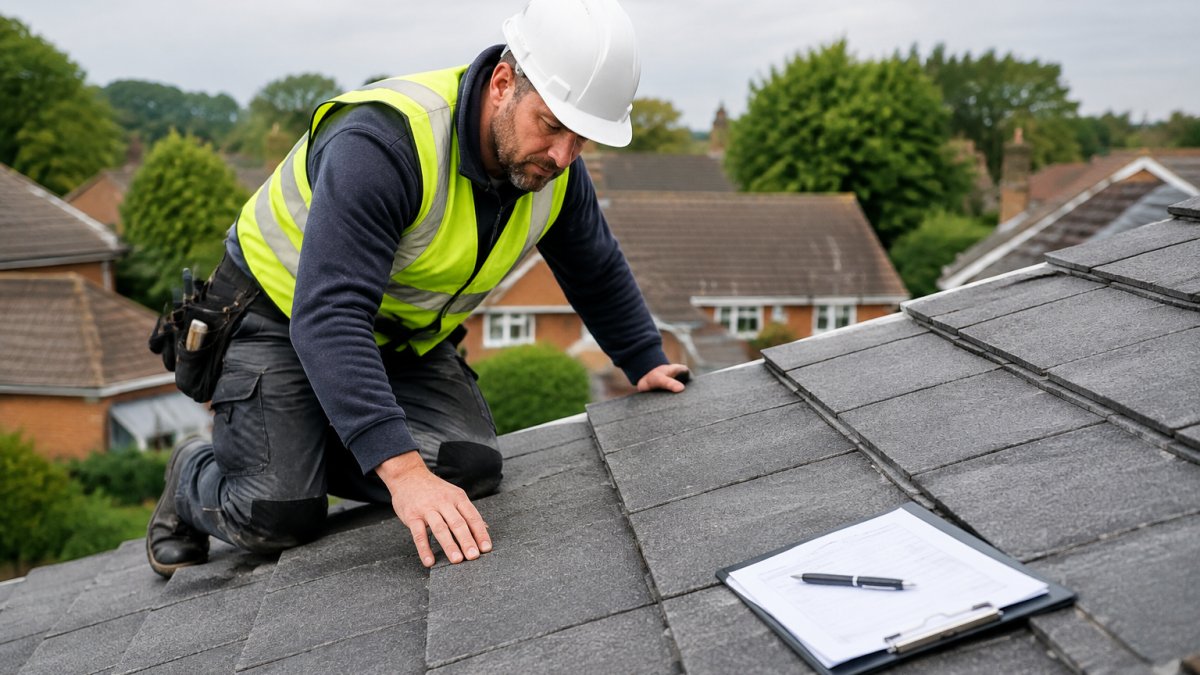
A standard roof guarantee covers defective workmanship on the installation.
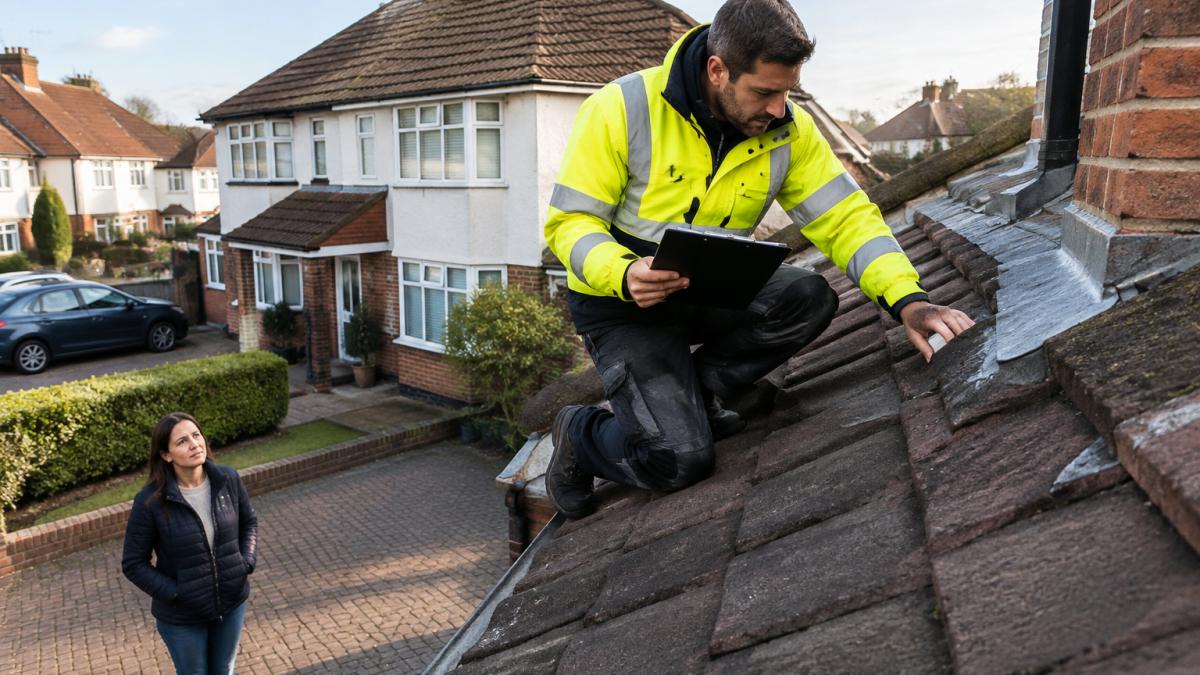
Structural integrity is the goal, but the wording is what matters. A good guarantee names the specific components covered, the guarantee period, and the remedy: repair, replacement, or a cash settlement.
How a Claim Is Actually Assessed
When you report a leak, the provider typically sends an assessor to establish the cause before anyone commits to a repair.
That is why the paper trail matters. Keep your original contract, the guarantee certificate, any maintenance receipts, and photographs of the roof at completion. If you have had other trades on the roof, a satellite installer, a chimney sweep, a solar panel fitter, note the dates, because alterations and third-party work are commonly excluded and will be raised at assessment.
What a Standard Guarantee Usually Excludes
- Storm, flood and accidental impact damage (these belong to your buildings insurance)
- Water ingress following blocked gutters, moss buildup or neglected flashings
- Work carried out by other trades, or alterations to the roof without the original contractor
- Consequential damage inside the property, such as stained ceilings or damaged plaster
- Wear and tear consistent with the roof reaching the end of its expected lifespan
Watch out: many homeowners assume “guaranteed” means everything is covered forever. It does not. A voluntary guarantee sits on top of your statutory rights under the Consumer Rights Act 2015, which requires services to be carried out with reasonable care and skill, the Competitions and Markets Authority guidance on consumer rights explains how to enforce those rights if a trader will not put things right.
Roof Guarantee Length: How Long Should Yours Last?
Roof guarantee length varies by system and by which party is promising what. Manufacturer warranties on tiles and membranes can stretch longer but are often pro-rated, meaning the payout shrinks as the roof ages. Ask the contractor to confirm the workmanship guarantee period for your specific job in writing. Securing a clear understanding of these overlapping protections requires a methodical approach to compare roofing contractor warranties before finalizing any service agreement.
Typical Guarantee Periods by Roof Type
- Pitched tile and slate roofs: 10 to 25 years on workmanship, depending on the system and the contractor’s accreditation; manufacturer warranties on the tiles themselves often run longer.
- Flat roofs (GRP, EPDM, single-ply membranes): commonly 10 to 20 years on workmanship, with some premium single-ply systems offering 20 years or more when installed by an approved contractor.
- Lead and metal roofing: workmanship cover typically 10 to 20 years, reflecting the longer service life of the material.
- Roof windows and roof lights: usually covered by the manufacturer’s product warranty rather than the roofer’s workmanship guarantee, so check both documents.
Flat roofs deserve particular scrutiny. Their lifespan is shorter than pitched tile, so a guarantee that matches the expected roofing lifespan of the system is more meaningful than a headline number.
Why Pro-Rata Warranties Pay Less Over Time
A pro-rata manufacturer warranty does not pay the full cost of replacement for the whole guarantee period. Instead, the payout is reduced according to the age of the roof. A 20-year pro-rata membrane warranty might pay the full material cost in year one, half in year ten, and very little by year eighteen.
That is why the workmanship guarantee and the material warranty should be read together. A long manufacturer warranty on the membrane is of limited comfort if the workmanship cover expires after 10 years and the leak traces back to installation.
Lifetime Guarantees and Other Red Flags
Be sceptical of a lifetime guarantee with no defined end date: it is difficult to enforce. The guarantee period should be written in years, with a clear start date from completion of the work.
Watch out: a guarantee that starts from the date of the quote, rather than the date of completion, can quietly lose weeks or months of cover before the roof is even finished.
Guarantee periods vary by roof system, so here are the typical workmanship cover lengths the article sets out.
| Roof type | Typical workmanship guarantee | Note |
|---|---|---|
| Pitched tile and slate roofs | 10 to 25 years | Manufacturer tile warranties often run longer |
| Flat roofs (GRP, EPDM, single-ply) | 10 to 20 years | Premium single-ply can reach 20 years or more |
| Lead and metal roofing | 10 to 20 years | Reflects the longer service life of the material |
| Roof windows and roof lights | Manufacturer’s product warranty | Check both documents, not just the roofer’s guarantee |
Transferable Roof Guarantee When Selling a House
A transferable roof guarantee can pass to the next owner when you sell, which is a genuine selling point during a property sale.
Get Your Free Roofing Quote Today! →
Many transferable guarantees require you to notify the provider within a set window after completion of the sale, so check the terms carefully.
If you are selling, dig out the original roofing contract and check the transfer clause before your buyer’s solicitor does. If you are buying, ask for the certificate, the terms and conditions, and proof the transfer has been registered.
Insurance-Backed Guarantees and the Fine Print Checklist
An insurance-backed guarantee (IBG) adds a second layer of protection: if the roofing contractor ceases trading, an insurer honours the remaining guarantee period. That matters because a guarantee is only as good as the business standing behind it, and roofing contractors do close.
The Competitions and Markets Authority guidance on consumer rights sets out your statutory rights when work is not carried out with reasonable care, but a voluntary guarantee or IBG goes beyond the legal minimum. Check that any insurer named is regulated by the Financial Conduct Authority before you rely on it.
Checklist for Reading a Roofing Guarantee
- Is the guarantee period stated in years, with a clear start date?
- Does it cover workmanship, materials, or both?
- Is it insurance-backed, and who is the insurer?
- Is it transferable, and what is the transfer process and fee?
- What maintenance is required to keep it valid?
- What are the exclusions (storm damage, impact, neglect)?
- Is the remedy repair, replacement, or cash?
- Is the contractor’s company registration and insurance confirmed in writing?
If you are dealing with storm damage, our guide on how to file a storm damage roof insurance claim walks through the claims process step by step.
Keeping Your Guarantee Valid: Maintenance and Common Exclusions
Most roofing guarantees stay valid only if you maintain the roof. Blocked gutters, moss buildup, and unchecked flashings are the classic reasons a claim gets refused, because the provider can argue the failure came from neglect rather than defective workmanship.
Common exclusions include storm and flood damage, accidental impact, work carried out by other trades, and alterations to the roof without the original contractor.
Our guides on the top flat roof problems explained for homeowners and preventative roof maintenance for businesses cover the checks that keep a guarantee alive.
Get Your Free Roofing Survey and Written Guarantee
Every guarantee starts with a proper survey and a written quote that states exactly what is covered.
If you are comparing costs, our roofing quotes Buckinghamshire price comparison guide helps you read quotes like a professional, and our roundup of the top roofing contractors in Buckinghamshire shows what to look for in reviews and ratings.
We put our guarantees in writing, explain the terms before you commit, and stay reachable after the work is done. That is what 25 years in the industry is meant to deliver: a team that picks up.
Frequently Asked Questions
What is the difference between a roof guarantee and a warranty?
A guarantee is the written assurance a roofing contractor gives you for their work, usually covering installation error and defective workmanship. A warranty normally comes from the manufacturer and covers material defect in the tiles, membrane or fittings. In practice the two overlap, so check both documents. A roof guarantee from the installer and a manufacturer warranty protect different things, and a good roofing quote should explain each one before you sign.
What should a roof guarantee cover?
A standard roof guarantee should cover defective workmanship, installation error and any water ingress caused by the installer’s work. It should state the guarantee period, what is excluded, whether it is transferable, and whether it is insurance-backed. Ask for the terms and conditions in writing before work starts. If a roofer cannot explain what does a roof guarantee cover on their own jobs, treat that as a warning sign.
How long does a roof guarantee last?
Roof guarantee length varies by system and contractor. Ask the contractor to confirm the workmanship and material guarantee periods for your specific job. Flat roof systems often carry shorter terms than pitched tiled roofs. Ask for the exact guarantee period in writing and check whether it is pro-rated, because a pro-rated warranty reduces the payout as the years pass.
Can a roof guarantee be transferred when selling a property?
Many guarantees are transferable, but only if the paperwork says so and the correct process is followed. A transferable roof guarantee when selling a house can reassure buyers and solicitors during conveyancing. Check whether a fee applies, whether the transfer must happen within a set time of completion, and whether maintenance records are required. Keep the original certificate, terms and conditions and any invoices safe.
What can invalidate a roof guarantee?
Common causes include missed maintenance, work carried out by another contractor, storm damage that was not reported promptly, and alterations to the roof without approval. Some guarantees also require periodic inspections. Read the exclusions before signing and keep a simple maintenance log. If you are unsure whether an issue is covered, contact the installer before arranging a roof repair elsewhere, as unauthorised work can void the guarantee.
Does a roofer have to provide a written guarantee?
There is no blanket legal requirement for every roofing job to come with a written guarantee, but consumer rights under the Consumer Rights Act 2015 still apply to the work. A written guarantee is your clearest protection, so ask for one in the quote and contract. Reputable contractors provide it as standard. Confirm what is covered, how long it lasts and how to make a claim.
A roof is only as good as the promise behind it. If you want a written guarantee you can actually rely on, get started with Evershield Roofing and book a free survey with a fully insured team that explains every term before you sign.