Flat Roof Warranty Length Comparison: UK Guide
Compare flat roof warranty lengths by material type and learn what they cover. Find out how to keep your warranty valid and avoid common mistakes.

Table of Contents
- Flat Roof Warranty Length Comparison by Material
- Manufacturer’s Warranty vs Contractor’s Guarantee: Key Differences
- What Does a Flat Roof Warranty Actually Cover?
- What Voids a Roofing Warranty? Common Pitfalls to Avoid
- Flat Roof Maintenance Requirements to Protect Your Cover
- How to Choose the Right Warranty for Your Flat Roof
- Conclusion: Secure Your Flat Roof with the Right Cover
- Frequently Asked Questions
Last Updated: September 8, 2026
Choosing a flat roof system involves comparing more than material costs and installation timelines. The warranty length is often the deciding factor, yet many homeowners in Buckinghamshire discover too late that their cover is shorter, or more conditional, than expected. This guide from Evershield Roofing breaks down the typical flat roof warranty length comparison across common materials so you can weigh your options with confidence.
A flat roof warranty is a formal guarantee from a manufacturer or installer covering defined defects for a set period. The duration varies significantly by membrane type, ranging from around 10 years for basic systems up to 25 years or more for high-performance materials. Understanding these differences before committing to an installation prevents costly surprises down the line. Below, we outline what each material typically offers and where the gaps in coverage usually appear.
Flat Roof Warranty Length Comparison by Material
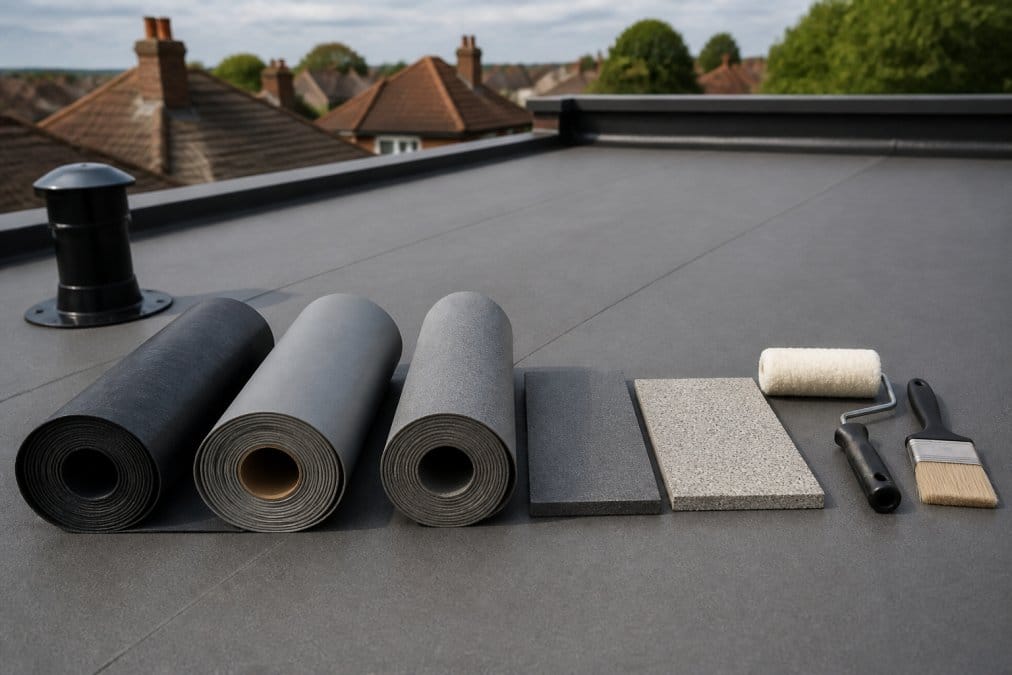
The material you choose largely dictates the warranty ceiling you can expect. Here is how the main flat roofing systems in the UK compare:
| Roofing Material | Typical Warranty Length | Coverage Focus | Best For |
|---|---|---|---|
| EPDM (Rubber) | 20-25 years | Material defects, often full system cover | Long-term durability with minimal maintenance |
| Fibreglass (GRP) | 20-25 years | Material and installation workmanship | Seamless, watertight finishes |
| Single-Ply (PVC/TPO) | 15-25 years | Material defects, varying workmanship terms | Commercial buildings and large spans |
| Modified Bitumen (Felt) | 10-20 years | Material defects, often prorated after year 10 | Budget-conscious installations |
| Liquid Coating | 10-15 years | Material integrity, recoating schedules required | Refurbishment over existing surfaces |
EPDM and fibreglass systems currently offer some of the longest terms available, often reaching 25 years when installed by an accredited contractor. Single-ply membranes are common on commercial projects and provide solid coverage, though workmanship guarantees may require certified installers. Modified bitumen remains a cost-effective entry point, but be aware that many of these warranties become prorated, meaning the cover value decreases annually after a certain point.
Manufacturer’s Warranty vs Contractor’s Guarantee: Key Differences
A common point of confusion is the distinction between the manufacturer’s warranty and the contractor’s guarantee. The manufacturer backs the material itself against defects, while the contractor guarantees the quality of the installation workmanship. Both are essential, but they protect you against different failures.
Most problems with flat roofs stem from poor installation rather than faulty materials. For this reason, a strong contractor guarantee is arguably more valuable than a long manufacturer warranty. An insurance backed guarantee roofing UK option offers additional protection, as it insures the contractor’s workmanship promise even if the company ceases trading. This type of cover is worth requesting from any installer you consider.
Watch Out
A workmanship guarantee is only as reliable as the company behind it. If your contractor goes out of business, an uninsured guarantee becomes worthless. Always ask whether the guarantee is backed by an insurance policy.
A workmanship guarantee is only as reliable as the company behind it. If your contractor goes out of business, an uninsured guarantee becomes worthless. Always ask whether the guarantee is backed by an insurance policy.
What Does a Flat Roof Warranty Actually Cover?
Warranties are not blanket assurances against every possible issue. Typically, a flat roof warranty covers manufacturing defects in the membrane and, in some cases, installation faults that lead to failure. This includes blistering, splitting, or loss of adhesion that occurs under normal weather conditions.
What most warranties do not cover is damage from external factors. This list usually includes foot traffic, falling branches, and poor drainage caused by blocked gutters. Many manufacturers also exclude failures resulting from ponding water, which is why proper falls and drainage design are critical. Before signing, ask for a written breakdown of exactly what voids a roofing warranty and what constitutes a valid claim.
What Voids a Roofing Warranty? Common Pitfalls to Avoid
Several common mistakes can invalidate your cover entirely. The most frequent cause is unauthorised alterations, such as cutting into the membrane to install a skylight or pipe without manufacturer approval. Even a simple repair carried out by an unapproved contractor can void the entire system warranty.
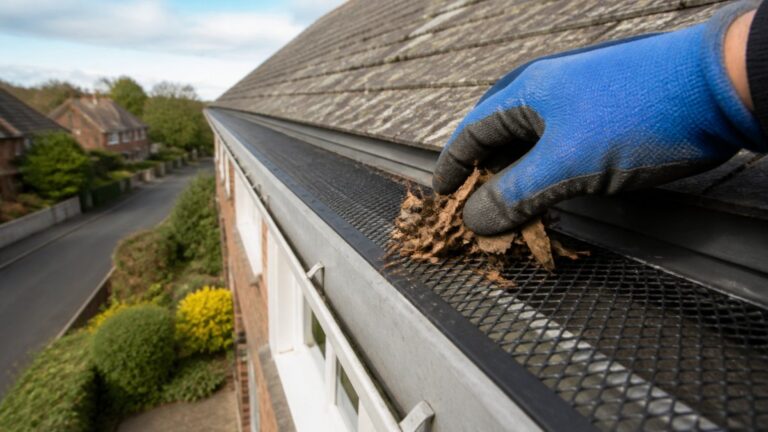
Neglect is another major factor. Most warranties require regular inspections and documented maintenance. Failing to clear debris or address minor damage promptly can lead to a rejected claim. Additionally, installing equipment directly onto the roof surface, like air conditioning units without proper stands, often breaches the terms.
Pro Tip
Keep a dedicated file with your warranty certificate, installation photos, and annual inspection records. If you ever need to make a claim, this documentation is your first line of defence.
Keep a dedicated file with your warranty certificate, installation photos, and annual inspection records. If you ever need to make a claim, this documentation is your first line of defence.
Flat Roof Maintenance Requirements to Protect Your Cover
Your warranty is a contract with conditions, and regular maintenance is usually a core requirement. Most manufacturers stipulate at least two inspections per year, typically in spring and autumn. These checks should include clearing debris, inspecting flashings and sealants, and ensuring outlets are free from blockage.
A professional maintenance programme is often the simplest way to stay compliant. Many roofing firms, including Evershield Roofing, offer scheduled inspections that align with warranty requirements. This proactive approach not only protects your cover but also extends the lifespan of the roof itself. For those searching for flat roof maintenance requirements near me, a local contractor familiar with the climate and common installation practices is the best starting point.
How to Choose the Right Warranty for Your Flat Roof
Selecting the right warranty starts with matching the material to your building’s expected lifespan. If you plan to stay in the property for decades, a 25-year EPDM or fibreglass system provides peace of mind. For a commercial asset you may sell in the near term, a transferable warranty adds resale value.
Consider these factors when comparing options:
- Transferability: Can the warranty pass to a new owner if you sell?
- Proration: Does the coverage value decrease over time?
- Workmanship term: How long does the contractor guarantee their installation?
- Insurance backing: Is the guarantee protected if the installer ceases trading?
- Maintenance obligations: What inspections are required annually?
The National Federation of Roofing Contractors guidance on warranties recommends confirming these details in writing before work begins. A verbal promise has no value when a leak appears three years later.
Conclusion: Secure Your Flat Roof with the Right Cover
Comparing flat roof warranties requires looking beyond the headline number of years. The material, the installer’s guarantee, and the conditions attached all determine the real value of your cover. A longer warranty with strict maintenance clauses may offer less practical protection than a shorter, fully insured guarantee with flexible terms.
At Evershield Roofing, we have over 25 years of experience installing flat roofs. Our team provides free surveys and quotes, and we guide you through the warranty terms so you know exactly what your cover includes. We offer fully insured workmanship backed by our commitment to quality, with finance available from 0% APR to help spread the cost.
Frequently Asked Questions
What is the standard warranty length for a new flat roof in the UK?
For a new flat roof in the UK, 10 years is the standard warranty length offered by most reputable contractors, but 15, 20, or even 25-year warranties are increasingly common depending on the material and the installer. Modified bitumen and single-ply membranes like EPDM or TPO typically carry longer warranties than older felt systems. Always confirm whether the warranty is for materials only or covers workmanship too, as this makes a significant difference to your level of protection.
What is the difference between a manufacturer’s warranty and a contractor’s guarantee?
A manufacturer’s warranty covers defects in the roofing material itself and is only valid if the product is installed by an approved contractor. A contractor’s guarantee covers the installation workmanship and is provided by the roofer. For full protection, you need both. When comparing quotes, ask whether the contractor offers an insurance backed guarantee roofing UK schemes provide extra security, which protects you even if the company ceases trading. This is a critical distinction that many homeowners overlook.
Does a flat roof warranty cover leaks caused by poor drainage?
Typically, no. A flat roof warranty covers defects in materials and workmanship, not damage caused by poor drainage, which is usually classified as a maintenance issue. If water pools on your roof because gutters are blocked or the roof design lacks adequate falls, the resulting leak is unlikely to be covered. This is why regular maintenance, including keeping drainage channels clear, is often a stated condition of the warranty. Check your warranty documents for specific exclusions related to standing water.
What typically voids a flat roof warranty?
Common actions that void a flat roof warranty include walking on the roof without proper protection, applying incompatible coatings or paints, and carrying out unauthorised modifications or penetrations. Failing to perform required maintenance, such as clearing debris and ensuring drainage is clear, is another frequent cause. Using a non-approved contractor for repairs can also invalidate the entire warranty. Always check your warranty terms before any work is carried out on your roof, and keep records of all maintenance and inspections.
Protecting your flat roof starts with choosing the right partner. Evershield Roofing combines expert guidance with dependable craftsmanship to deliver a roof that lasts. Get your free roofing quote today and secure the cover your property deserves.