How Often to Inspect Your Roof in London Properly
How often should a London roof inspection happen, and when should you book one after a storm? Find out what to look for first.

Last Updated: October 30, 2026
Quick Summary
A roof inspection should happen at least once a year, ideally in spring or autumn. Flat roofs and older or shaded roofs need checks twice a year, and any roof should be inspected after a storm.
- Inspect pitched roofs at least once a year, ideally in spring or autumn.
- Older, shaded, or previously leaking roofs may need checks twice a year.
- Flat roofs should be inspected twice a year and after heavy rain or storms.
- Book an inspection as soon as it is safe after a storm.
- Ask for a written report with photos to compare conditions between visits.
Table of Contents
- How Often Should You Get a Roof Inspection?
- How Often Should a Flat Roof Be Inspected?
- When to Book a Roof Inspection After a Storm
- What a Professional Roof Inspection Checklist Covers
- Signs Your Roof Needs Repair Before It Gets Worse
- Can You Inspect a Roof Yourself Safely?
- Booking Your Roof Inspection With Evershield Roofing
- Frequently Asked Questions
Most London homeowners only think about their roof when something goes wrong. A damp patch appears on the bedroom ceiling, or a slate slides off after a windy night. By then the problem has often been growing for months. Evershield Roofing, a roofing contractor serving Buckinghamshire, sees this pattern regularly, and it is why we recommend a routine roof inspection rather than waiting for a leak.
For most properties, a professional roof inspection once a year is a sensible baseline. Some homes need more frequent checks, particularly flat roofs, older buildings, and properties that have recently been through severe weather. The sections below explain how often to inspect, when to book after a storm, what a proper inspection covers, and where the warning signs usually show up first.
How Often Should You Get a Roof Inspection?
A roof inspection should happen at least once a year, and ideally in spring or autumn. Those seasons let an inspector see how the roof has coped with winter rain and wind, or summer heat, before the next weather cycle begins.
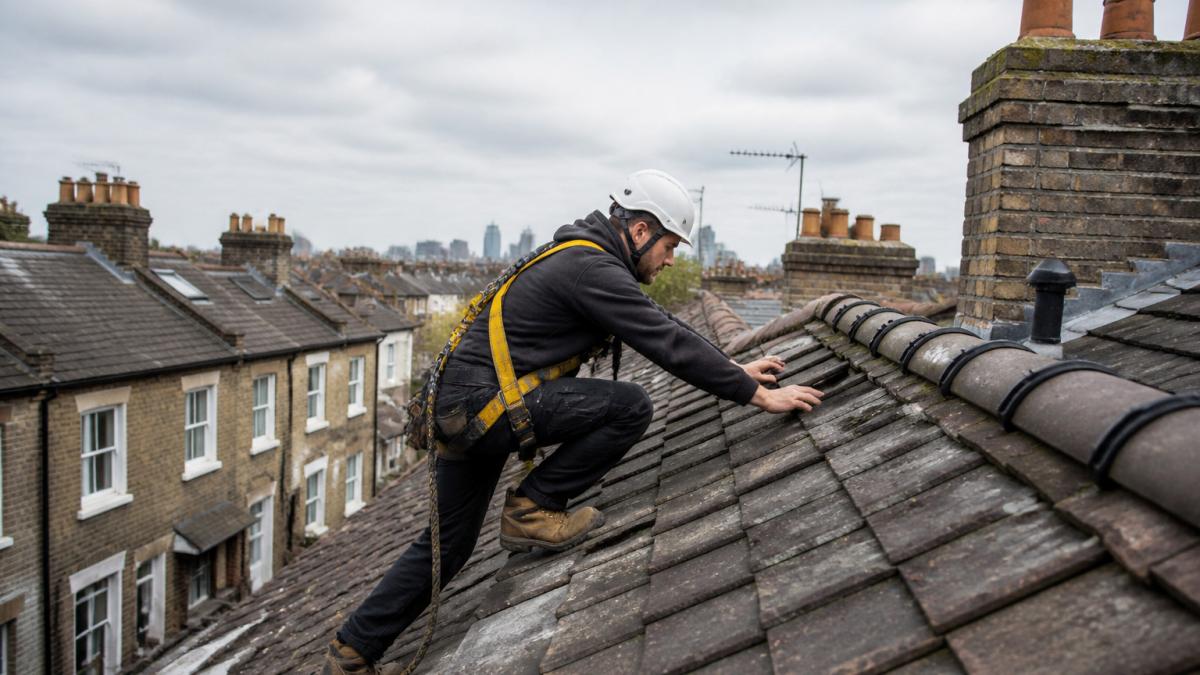
Homes with older roofs, heavy tree cover, or a history of leaks may need checks twice a year. A roof that has just been repaired or replaced is also worth checking within the first year to confirm the work has settled properly.
- Yearly: Most pitched roofs in stable condition
- Twice yearly: Older roofs, shaded roofs, or roofs with a leak history
- After storms: Any time strong winds or heavy hail hit the area
- After building work nearby: Scaffolding and vibration can loosen tiles and flashing
Keep a simple record of each inspection, with dates and findings. This makes it easier to spot slow changes over time.
How Often Should a Flat Roof Be Inspected?
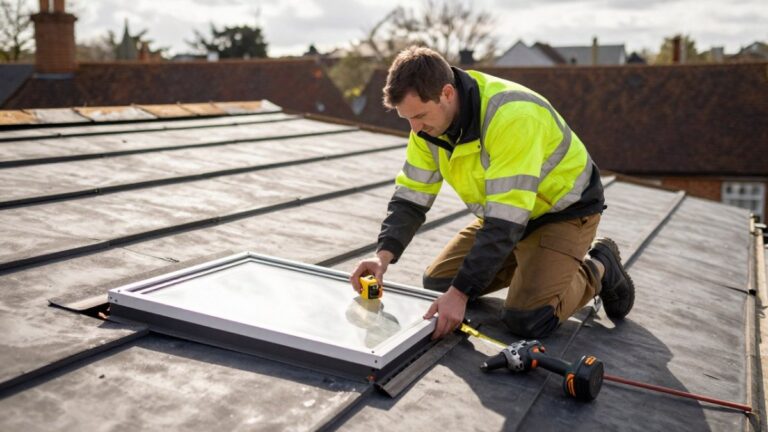
Flat roofs need more frequent attention than pitched roofs. Water does not run off a flat surface as quickly, so it can pool and seep into the structure if the membrane is damaged. Many London flat roofs are also covered in moss, debris, or leaves that trap moisture.
A practical rule is to inspect a flat roof twice a year, and again after any heavy rainfall or storm. Look for standing water that stays for more than a day or two, as this is a common sign of drainage trouble. Check the outlets and gutters at the edges, since blocked outlets are one of the most frequent causes of flat roof leaks.
We regularly recommend that owners of flat roofs read our flat roof maintenance checklist for homeowners so they know what to check between professional visits.
Flat roofs need closer attention than pitched roofs, so this summary sets out the inspection timing and the points to check.
| Check | Frequency or trigger | Why it matters |
|---|---|---|
| Routine inspection | Twice a year | Flat roofs drain more slowly than pitched roofs |
| Extra inspection | After heavy rain or a storm | Heavy rain can reveal membrane or drainage faults |
| Standing water | Lasting more than a day or two | Common sign of drainage trouble |
| Outlets and gutters | Check at each inspection | Blocked outlets are a frequent cause of leaks |
| Moss and debris | Remove where found | Traps moisture against the surface |
When to Book a Roof Inspection After a Storm
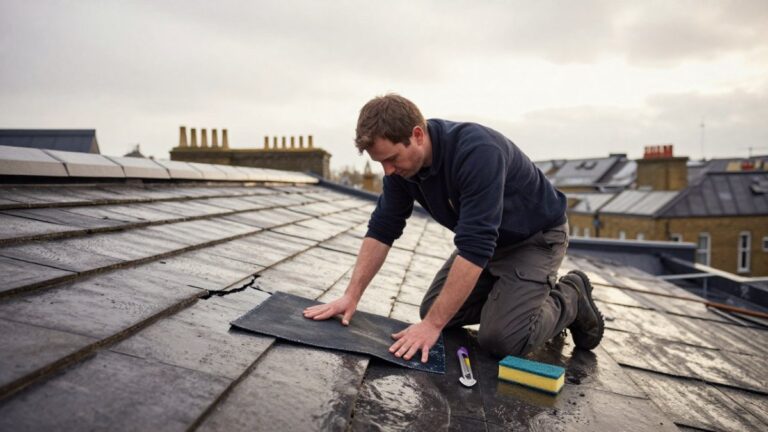
Book an inspection as soon as it is safe to do so after a storm, especially if you have seen missing tiles, cracked flashing, or water in the loft. Early inspection stops small damage from turning into structural problems.
Some storm damage is not visible from the ground. Lifted tiles, cracked mortar, and loosened flashing can all let water in without any obvious sign outside. Ask the inspector to check the loft and ceilings below the affected area, too.
If you plan to make an insurance claim, take photos of any damage before anything is repaired.
What a Professional Roof Inspection Checklist Covers
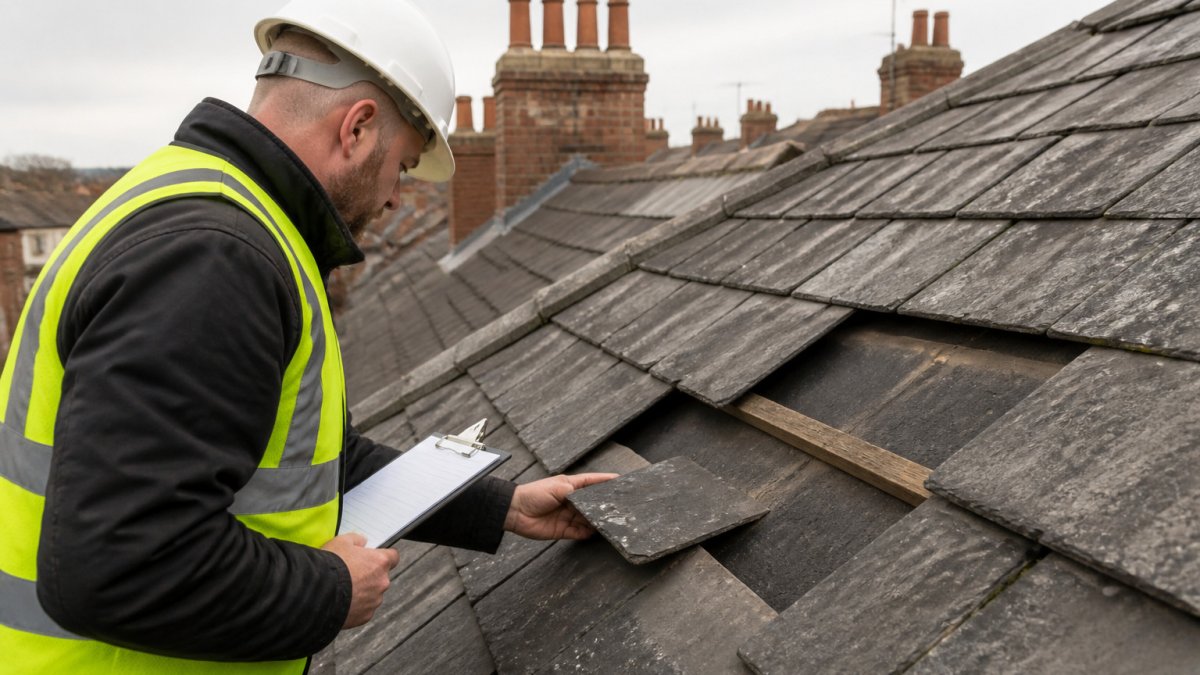
A thorough professional inspection looks at the whole system, not just the surface. A good inspector will typically check:
Get Your Free Roofing Quote Today! →
- Tiles, slates, or roof membrane for cracks, lifting, or wear
- Ridges, hips, and valleys for loose or damaged sections
- Flashing around chimneys, skylights, and walls
- Gutters, downpipes, and outlets for blockages or sagging
- Fascias and soffits for rot or gaps
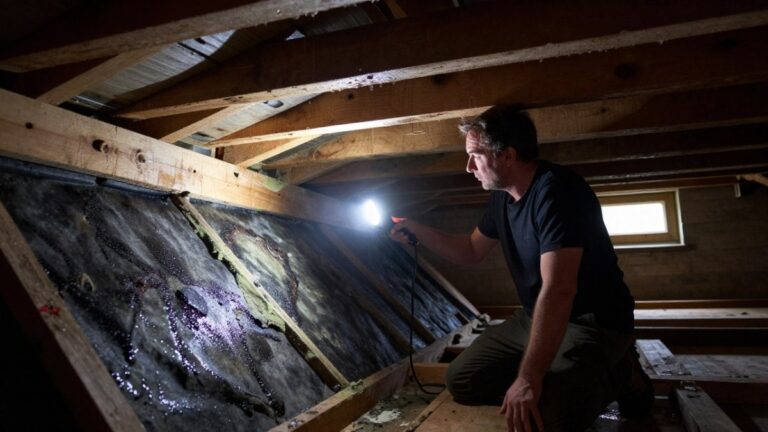
- Loft space for damp, staining, or daylight coming through
- Ventilation and insulation levels where access allows
Ask for a written report with photos. A clear record helps you compare conditions from one visit to the next.
Signs Your Roof Needs Repair Before It Gets Worse
Catching a problem early almost always costs less to fix. These are the warning signs we see most often.
Visible Damage From the Ground
Look up from the pavement or garden for these signs:
- Missing, slipped, or cracked tiles or slates
- Sagging areas along the ridge or roof line
- Green patches or moss that holds water against the surface
- Blocked or pulling-away gutters
Problems Inside the Property
Some signs only appear indoors:
- Damp patches or peeling paint on upstairs ceilings
- Water stains that grow after rain
- Musty smells in the loft or top floor
- Light visible through the roof space
Any of these signs means it is time to book a professional inspection rather than waiting for the next scheduled check.
Can You Inspect a Roof Yourself Safely?
You can check a roof from the ground or from inside the loft with a torch. Use binoculars to look at tiles and ridges, and check the loft for damp or daylight. This kind of visual check is useful between professional visits.
Do not climb onto a roof without proper equipment and training. Falls from roofs are a serious risk, and wet, cracked, or moss-covered surfaces are especially slippery. A safe, thorough inspection needs the right access equipment and an experienced eye, which is why a professional visit is worth the time.
Booking Your Roof Inspection With Evershield Roofing
Evershield Roofing offers free surveys and quotes, so you can find out what condition your roof is in without any obligation. We cover roof repairs, roof replacements, new roof installations, and gutters. Our team is fully insured, and we also handle emergency roof repair work when a leak needs urgent attention.
If you are unsure how often your roof should be checked, contact us for a survey. We will explain what we find in plain terms and advise on the next steps. For current prices, please check our website or request a quote, as pricing depends on the size and condition of the roof.
Frequently Asked Questions
How often should a roof be professionally inspected in London?
Most homeowners in London should arrange a professional roof inspection roughly once a year, and always after severe weather. Annual checks catch loose tiles, failing flashing and blocked gutters before they cause internal damage. Older roofs, properties near large trees, and homes with flat sections may need more frequent attention. Ask your roofer to note the condition and date of each inspection so you can track changes over time.
Should you have your roof inspected after a storm?
Yes. High winds and heavy rain can lift tiles, crack flashing and damage chimney stacks without any obvious sign from ground level. Book an inspection as soon as it is safe after a storm, especially if you notice ceiling stains, damp patches or missing debris. Prompt checks help you claim on insurance while the damage is still easy to link to the weather event.
How often should a flat roof be inspected?
A flat roof should generally be inspected at least twice a year, typically in spring and autumn, and after any storm or prolonged heavy rain. Flat roofs rely on membranes and drainage outlets, so standing water, blistering or cracked seams need attention quickly. Clear debris from outlets between inspections to prevent ponding, which accelerates wear.
How much does a roof inspection cost in London?
Pricing depends on the size of the property, the roof type, its access and whether the inspection is standalone or part of a wider job. Evershield Roofing offers free surveys and quotes, so you can get an accurate figure for your property without commitment. Check the current pricing details on the Evershield Roofing website or request a quote directly to compare against your budget.
Get your free roofing survey today. Evershield Roofing will assess your roof, explain the findings, and help you plan the next steps with confidence.