How to Estimate Water Damage Restoration Costs in London
Water damage restoration costs in London depend on severity, affected areas and drying time. Learn what drives the price and how to read a repair quote.

Quick Summary
Water damage restoration costs in London depend mainly on the severity of the damage, the water category, and how long the water was left in place. Costs are rising with severity, so the most reliable figure comes from a written survey that breaks the quote into stages.
- Most quotes combine call-out, extraction, structural drying, cleaning and repairs, so ask for each stage separately.
- Damage is sorted into minor, moderate and severe levels, and the work required changes at each one.
- Contaminated water such as grey or black water needs more cleaning and often more material removal.
- Check your insurance excess before committing to work, as it sets how much you pay personally.
- Structural drying typically takes three to five days for moderate damage and often takes longer for severe damage.
Table of Contents
- What Water Damage Restoration Costs Typically Involve
- Water Damage Repair Costs London Homeowners Can Expect by Severity
- Factors That Change the Final Bill
- Water Damage Insurance Claim UK: Excess, Documentation and First Steps
- Water Damage Restoration Timeline From Call-Out to Completion
- Water Damage Repair Quote Checklist: What a Fair Estimate Includes
- Booking Your Free Survey and Quote With Evershield Roofing
- Frequently Asked Questions
What Water Damage Restoration Costs Typically Involve
Water damage restoration costs cover far more than drying out a wet room. A typical job combines emergency water extraction, moisture mapping, drying equipment, cleaning and sanitising, and then the rebuild of anything the water has ruined.
Most restoration quotes break into a few recognisable parts. Each part adds to the final total, and two quotes that look similar can differ widely if one includes steps the other leaves out.
- Emergency call-out and assessment: the first visit, where a technician establishes the water source and how far the damage has spread.
- Water extraction and removal: pumping standing water out of floors, carpets and underlay.
- Structural drying: running air movers and dehumidifiers for as long as the building needs.
- Cleaning and treatment: removing contamination and treating surfaces to prevent mould growth.
- Repair and redecoration: replacing plasterboard, flooring, skirting or ceilings, then finishing the surfaces.
A common mistake is comparing only the drying figure. The repair stage is often the bigger cost, particularly where plaster, flooring or kitchen fittings need replacing. Ask any contractor to show each stage on the quote so you can compare like with like.
Restoration costs also depend on the cause. A burst pipe that gets stopped within an hour usually means less drying than a slow leak that has been soaking a floor for weeks. Knowing which of these applies to your home makes the rest of the estimate easier to read.
Water Damage Repair Costs London Homeowners Can Expect by Severity
Repair costs rise with the severity of the damage, but exact prices depend on the property, the materials involved and how long the water was left in place. Pricing for a specific job is best confirmed with a written survey from a contractor.
Damage is generally sorted into three levels, and the work required changes at each one:
- Minor damage: water has reached a small area, such as a skirting board, a single section of carpet or a patch of ceiling. Drying is quick and the repairs are usually limited to one or two surfaces.
- Moderate damage: water has soaked into plasterboard, underlay and several rooms. Drying takes longer and more materials need replacing.
- Severe damage: water has spread through the structure, often affecting floors, walls and ceilings across more than one storey. This level usually calls for full restoration and can mean temporary accommodation.
A useful way to see where the money goes is to separate a quote into stages: emergency call-out and assessment, extraction, structural drying, cleaning and treatment, and repairs and reinstatement. Ask for each stage to be shown separately so you can compare like with like.
Minor repairs tend to be a small, contained job. Full restoration is a larger project, so it is worth asking for a breakdown before agreeing to any work.
Watch out: leaving a damp area untreated for even a few days can turn a minor repair into a major one, because hidden moisture encourages mould and rot, and remediation of mould adds a separate cleaning and treatment cost on top of the original repair.
Factors That Change the Final Bill
Several factors move the final figure up or down. Knowing them helps you judge whether a quote is reasonable.
Water Category and Contamination
Water is classified by how contaminated it is. Clean water from a supply pipe is treated differently from grey water from a washing machine or sink, and both differ from black water containing sewage. Contaminated water requires more cleaning, more protective equipment and often more materials to be removed. A quote that treats a sewage-affected room the same as one affected by clean water is likely to be incomplete.
Contamination also changes how porous materials are handled. Carpets, underlay and some plasterboard may need to be removed entirely rather than dried, which increases the cost.
Hidden Moisture and Drying Verification
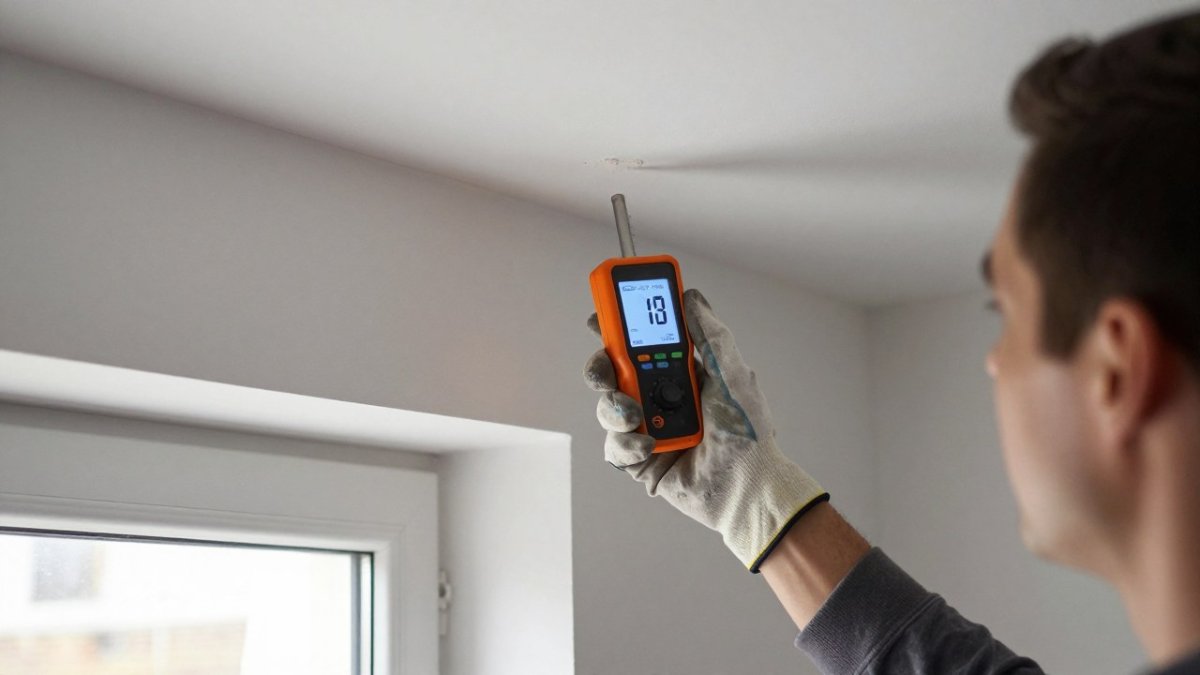
Water often travels further than it looks. It can sit inside walls, under floors or behind skirting boards long after the surface feels dry. Good restoration work includes moisture readings taken across the affected area, not just a visual check. Moisture readings can also help distinguish lingering water damage from a separate damp problem, so Dri-House is a useful next point of reference when considering treatment.
Ask whether drying will be verified before the job is closed. Readings showing the building has returned to normal moisture levels give you a clear record. Without them, damp can return months later, and that repair is far more expensive than the original work.
Water Damage Insurance Claim UK: Excess, Documentation and First Steps
Many homeowners pay for restoration through their buildings or contents insurance. Your policy will set out an excess, which is the amount you pay towards each claim before the insurer covers the rest. Check the excess before committing to work, as it affects how much you will pay personally.
Good documentation makes a claim much easier to settle. Take photographs and videos of the damage as soon as it is safe, keep damaged items until the insurer has inspected them, and note when the water was discovered and what caused it. Keep all receipts for emergency measures, such as temporary repairs or hired drying equipment, because insurers often reimburse these separately.
Contact your insurer promptly. Delaying the claim can cause problems, and some policies require you to take reasonable steps to limit further damage. Ask the insurer whether they have approved contractors, and check whether a restoration firm will work directly with them.
Water Damage Restoration Timeline From Call-Out to Completion
Restoration usually moves through a clear sequence, and the length of each stage is what drives both the drying bill and how soon repairs can start. A typical London job runs as follows.
- Emergency call-out and assessment (same day to 24 hours): a technician attends, finds the water source, isolates it where possible and maps how far the moisture has spread. This visit sets the scope for everything that follows.
- Water extraction (hours to one day): standing water is pumped out of floors, carpets and underlay. Faster extraction means less secondary damage and a shorter drying stage.
- Structural drying (typically three to five days for moderate damage, longer for severe): air movers and dehumidifiers run continuously, with moisture readings taken and logged. Drying is often the longest stage because structural materials such as plaster, screed and timber take time to release moisture.
- Cleaning and treatment (one to two days): contamination is removed and surfaces are treated to prevent mould growth, with more time needed where water was grey or black.
- Repairs and reinstatement (days to weeks, depending on scope): plasterboard, flooring, skirting and ceilings are replaced and finished. This stage can only begin once the structure is confirmed dry.
- Final verification and handover: moisture readings are checked against the dry standard and the job is signed off with a record.
The exact duration depends on the extent of the damage and the building. In London, practical factors often extend the timeline: flats with limited access, shared walls in terraced or mansion-block properties, and leasehold buildings where the freeholder or managing agent must approve works can all add days.
Ask your contractor to set out the expected stages, the drying target and what each one involves, so you know when to expect the work to finish. A quote that states a drying duration and a daily equipment rate is easier to compare than one that gives a single lump sum, and it gives you a clear point to query if the job runs long.
The typical sequence of a London restoration job and how long each stage tends to take:
| Stage | What happens | Typical time |
|---|---|---|
| Emergency call-out and assessment | Water source found, moisture mapped | Same day to 24 hours |
| Water extraction | Standing water pumped out | Hours to one day |
| Structural drying | Air movers and dehumidifiers run | Three to five days for moderate damage |
| Cleaning and treatment | Contamination removed, mould treated | One to two days |
| Repairs and reinstatement | Plasterboard, flooring and ceilings replaced | Days to weeks |
| Final verification and handover | Moisture readings checked, job signed off | Before close of job |
Water Damage Repair Quote Checklist: What a Fair Estimate Includes
A fair estimate sets out the work clearly enough for you to compare it with other quotes. Use this checklist when reviewing one:
- A written survey describing the water source and the extent of the damage
- Each stage listed separately: extraction, drying, cleaning and repairs
- The equipment and drying duration stated, with the daily rate shown
- Materials and labour itemised, not combined into one lump sum
- Any VAT shown separately, with a clear statement of what is included
- Exclusions stated, such as redecoration or works to the wider structure
- Details of guarantees and how moisture verification will be carried out
- A validity period for the quote and the expected start date
A quote that omits drying verification, or leaves repairs vague, may cost more once the job is underway. Treat a missing breakdown as a reason to ask questions before signing.
Booking Your Free Survey and Quote With Evershield Roofing
If you need water damage assessed, the first step is a survey. Evershield Roofing offers free surveys and quotes, and our team will examine the damage, explain what the work involves and set out the costs in writing so you can compare them with other offers. Our roofing team also handles roof repairs that cause water ingress, which is often where water damage begins.
Contact Evershield Roofing to book your free survey and quote today.
Frequently Asked Questions
How much does water damage restoration cost in London?
Costs vary widely with the severity of the damage, the number of rooms affected and how quickly the water was removed. Minor, contained leaks may be resolved for a few hundred pounds, while larger losses affecting several rooms, subfloors and plasterwork can run into several thousand pounds. Because pricing depends on the scope of work, access, materials and drying time, the most reliable figure comes from a site survey. Pricing depends on the scope of work, so contact the team for a quote tailored to your property.
Does home insurance cover water damage restoration in the UK?
Most UK home insurance policies cover sudden water damage, such as a burst pipe or an overflowing appliance, but they often exclude gradual leaks, poor maintenance and damage caused by long-term damp. Check your policy wording for the excess you would pay and any time limits for reporting. Photograph the damage, keep receipts and note when you first noticed the problem. Your insurer will usually want the source of the water identified before approving repairs, so act quickly and keep records of every conversation.
What should a water damage restoration quote include?
A clear quote should list water extraction, drying equipment and how many days it will run, moisture testing, removal of unsalvageable materials, and the repair scope for ceilings, walls and floors. It should state whether VAT is included, what warranty applies and what is excluded. Ask for line-item pricing so you can compare quotes fairly. Be cautious of a single lump sum with no breakdown, as it makes it hard to see what you are paying for or to check whether drying was completed.
Should I get more than one quote for water damage repairs?
Getting at least two or three written quotes is sensible, particularly for larger jobs. Compare the scope of work rather than only the total, because one quote may omit drying, plastering or redecoration. Confirm that each contractor will inspect the property in person, identify the source of the leak and explain how they will verify that the structure is dry before closing up walls. Evershield Roofing offers free surveys and quotes, which makes it easy to compare options before you decide.