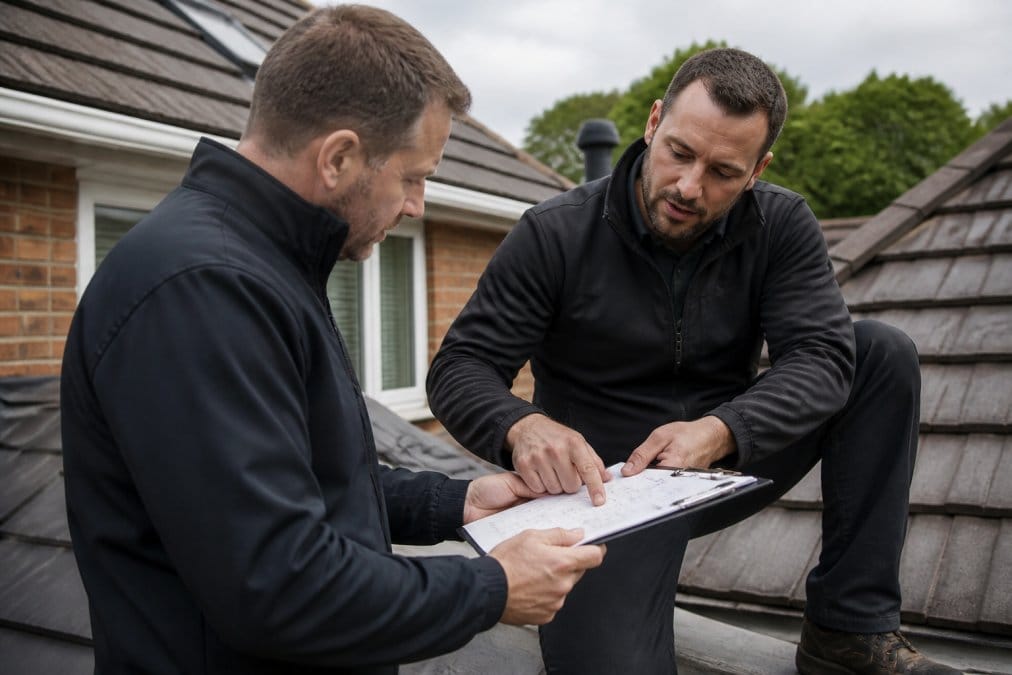
How to Choose a Reliable Roofing Contractor
Learn how to choose a reliable roofing contractor with our essential checklist. Verify credentials, ask the right questions, and avoid costly mistakes.

Table of Contents
- Why Choosing the Right Roofing Contractor Matters
- Verify NFRC Registered Roofers and Essential Credentials
- How to Spot a Rogue Roofer Before You Hire
- Questions to Ask Before Committing to a Contractor
- Getting Roofing Contractor Quotes and Comparing Estimates
- Check References and View Past Work
- Guarantees, Insurance, and What Happens After the Work
- Conclusion
Last Updated: August 30, 2026
Why Choosing the Right Roofing Contractor Matters
Finding a reliable roofing contractor can mean the difference between a roof that lasts decades and one that fails within years. A poor choice exposes your home to water damage, structural decay, and costly emergency repairs that could have been prevented with proper initial work.
At Evershield Roofing, we understand this pressure. Homeowners often contact us after a bad experience with another contractor, leaks that reappear, workmanship that doesn’t hold up, or communication that vanishes once the invoice is paid. The financial stakes are high. A full roof replacement or major repair represents one of the largest investments a homeowner makes, and you deserve confidence in who you hire.
The right contractor brings three things to the table: genuine expertise, transparent communication, and accountability that extends beyond the final invoice. This guide walks you through exactly how to identify those contractors and screen out the ones who’ll leave you with problems instead of solutions.
Verify NFRC Registered Roofers and Essential Credentials
Your first filter should always be professional registration. A reliable roofing contractor should be registered with the National Federation of Roofing Contractors (NFRC), the UK’s trade body for roofing professionals. NFRC membership signals that a contractor has met specific standards for competence, insurance, and business practice.
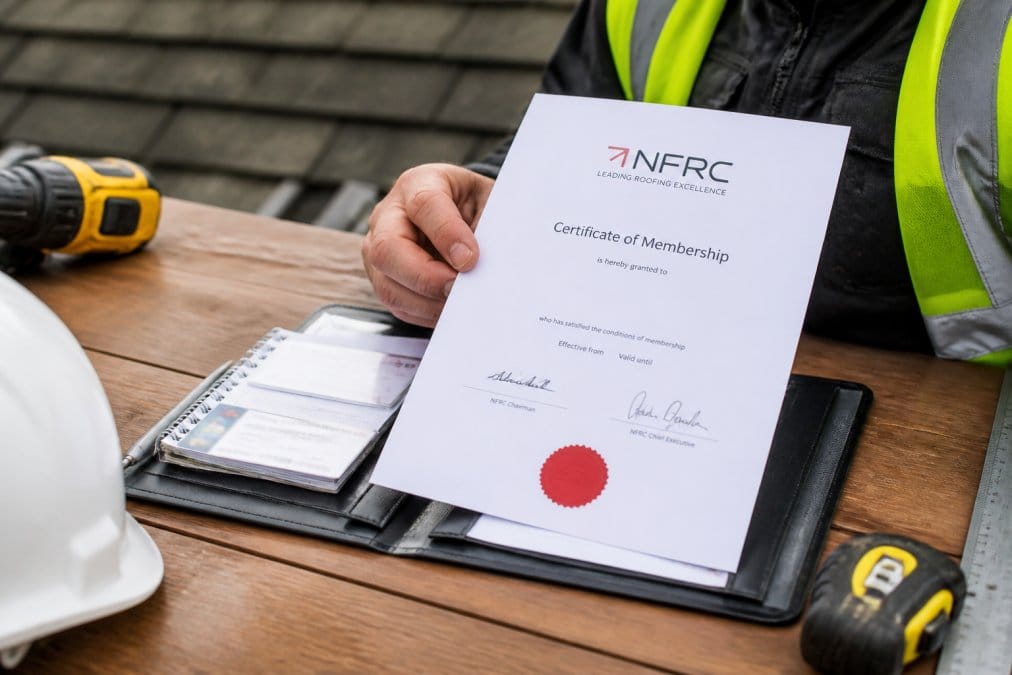
When you call a contractor, ask directly: "Are you NFRC registered?" If they hesitate or say they don’t need to be, move on. NFRC registration is not optional for legitimate operators, it’s a baseline standard that protects you legally and financially.
Beyond NFRC membership, check for these credentials:
- Fully insured public liability coverage, minimum £10 million is standard; ask to see the certificate
- CHAS or equivalent health and safety accreditation, demonstrates compliance with workplace safety standards
- Specific roofing qualifications, NVQ Level 2 or 3 in roofing, or equivalent training certifications
- Manufacturer certifications, if they work with specific brands (slate, tiles, flat roofing membranes), they should be approved installers
- References from recent jobs, not just satisfied customers, but verifiable work in your area
Many contractors in London and the surrounding area claim experience they don’t have. Verify credentials independently. The NFRC website allows you to search registered members by postcode, so you can confirm membership before the conversation even starts. This single step eliminates most of the cowboys operating without proper standards.
How to Spot a Rogue Roofer Before You Hire
Rogue traders in the roofing industry follow predictable patterns. Knowing what to watch for saves you from costly mistakes and unfinished work.
The first red flag is pressure to pay upfront in cash. A legitimate contractor accepts bank transfers, card payments, or staged payments tied to project milestones, not cash-only deals that leave no paper trail. If someone insists on cash payment before work begins, that’s a sign they’re avoiding accountability.
Watch for vague quotes. A professional quote breaks down materials, labour, timescale, and warranty clearly. If a contractor gives you a single number with no detail, they’re either guessing or hiding something. Vague estimates often become vague invoices, and you’ll have no recourse when the final bill doubles.
Another common tactic is door-to-door canvassing, especially after storms. The script is familiar: "I noticed damage to your roof from the road. I can get you sorted this week." This creates artificial urgency and bypasses your ability to compare options. Legitimate contractors build their business through reputation and referrals, not cold calling in your neighbourhood.
Pressure to start work immediately is another warning sign. A professional roofing contractor has a schedule. They’ll give you a clear start date weeks in advance, not "we can start tomorrow if you sign now." This pressure tactic prevents you from checking references or getting second opinions.
Finally, watch for contractors who avoid written agreements. Everything should be documented: the scope of work, materials specified, start and completion dates, payment terms, and warranty details. If they’re reluctant to put it in writing, they’re leaving themselves an escape route when problems arise.
Questions to Ask Before Committing to a Contractor
The questions you ask reveal whether a contractor has real experience or is just going through the motions.
Start with specifics about your roof type. If you have a flat roof with standing water, ask: "How would you fix standing water, and what’s the long-term solution?" A qualified contractor will discuss membrane options, drainage, and underlying causes, not just a quick patch. If they give a generic answer, they haven’t thought through your actual problem.
Ask about their experience with your specific roof type. Slate roofing requires different skills than tile or flat roofing. A contractor experienced in one type may be learning on your dime in another. Ask for references from recent projects matching your roof type and age.
Request a detailed breakdown of the quote. What materials are specified? What brand and grade? How much labour time? What’s included in the warranty? A contractor who can walk you through every line item has done this before. One who gets vague is winging it.
Ask about weather and timescale. How long will the work take? What happens if weather delays the job? How do they protect your home during open roof work? These practical questions separate professionals from amateurs.
Critically, ask: "What’s your process if something goes wrong after you finish?" A reliable contractor will explain their warranty coverage, how to report issues, and how quickly they’ll respond. If they say "nothing goes wrong on our jobs," they’re either lying or they don’t stand behind their work.
Finally, ask about their team. Will the same crew work on your roof from start to finish, or will different teams rotate through? Continuity matters, one team knows what they’ve done and can catch issues before they become problems.
Getting Roofing Contractor Quotes and Comparing Estimates
You need at least three quotes to understand the market. One quote tells you a price. Three quotes tell you whether that price is fair.
When requesting quotes, provide identical information to each contractor: photos of your roof, specific measurements if available, details of any damage, and your timeline. This ensures you’re comparing apples to apples, not one contractor’s detailed estimate against another’s guess.
A good quote includes:
- Detailed description of work to be done
- Specific materials and quantities
- Labour costs separated from materials
- Timeline and start date
- Payment schedule (deposit, progress payments, final payment)
- Warranty terms and duration
- Insurance and accreditation details
When comparing estimates, the cheapest option is often the riskiest. A quote significantly below the others suggests corner-cutting, cheaper materials, rushed labour, or missing elements. The most expensive isn’t automatically the best either. Look for the middle-ground quote that includes detailed specifications and comes from a contractor with strong credentials.
Get Your Free Roofing Quote Today! →
Be wary of quotes that differ wildly. If one contractor quotes £8,000 and another quotes £15,000 for the same roof, one of them is missing something. Ask each contractor to explain their estimate in writing. Often, the gap closes when you understand what’s actually included.
Ask about payment terms. A reasonable structure is 25-30% deposit to secure materials and schedule, progress payments as work advances, and final payment as agreed upon completion. Avoid contractors who demand 50% upfront or full payment before work starts.
Check References and View Past Work
A contractor’s past work is the clearest indicator of future performance. Don’t skip this step.

Ask for at least three recent references from customers in your area. A contractor who’s been operating for years should have plenty. If they struggle to provide names, that’s telling. When you contact references, ask specific questions: Did the work start on time? Were there unexpected costs? Did the contractor communicate clearly? Would you hire them again?
Ask to see photos of completed work. A professional contractor has a portfolio. Look for consistency, do their roofs look well-finished, with neat flashing, proper alignment, and clean edges? Poor workmanship shows.
If possible, ask to visit a completed job in person. You’ll see the quality of work and can ask the homeowner directly about their experience. A contractor confident in their work will arrange this.
Check online reviews carefully. Look at recent reviews on Google, Trustpilot, and local business directories. One bad review isn’t damning, everyone has a difficult customer. But patterns matter. Multiple complaints about communication, incomplete work, or unresolved issues are warning signs. Similarly, all five-star reviews with no detail can be suspicious, genuine feedback usually includes specifics.
Ask the contractor for references from other trades they’ve worked with: electricians, plumbers, property managers. Other professionals know who’s reliable and who creates problems on site.
Guarantees, Insurance, and What Happens After the Work
The warranty is where accountability gets tested. A reliable roofing contractor stands behind their work with a written guarantee.
A standard workmanship warranty covers the quality of installation for a defined period, typically 5-10 years. This means if the roof leaks due to poor installation (not material failure or damage), the contractor will repair it at no cost. Get this in writing before work starts.
Material warranties are separate. Most roofing materials come with manufacturer guarantees that cover defects in the material itself. A good contractor will transfer the manufacturer’s warranty to you and explain what it covers.
Ask specifically: "What happens if a leak appears six months after you finish?" A professional contractor will return and fix it under warranty. If they say "call us back and we’ll quote you," that’s not a warranty, that’s hoping you won’t follow up.
Verify insurance before work starts. Public liability insurance protects you if a contractor is injured on your property or damages something else. Employers’ liability insurance covers their employees. Ask to see current certificates. Don’t accept promises, see the documents.
Understand the payment schedule. Never pay the full amount before work is complete. A staged approach protects you: deposit on signing, progress payments as work advances, and final payment only after inspection and sign-off. This keeps the contractor motivated to finish properly.
After work is complete, get a detailed handover. The contractor should explain maintenance requirements, show you how to clean gutters if relevant, and provide you with warranty documents and certificates. If they hand over the keys and disappear, you’ve hired the wrong person.
A reliable contractor like Evershield Roofing remains available after the job ends. You should know how to reach them if questions arise, and they should respond promptly to warranty claims. This ongoing relationship is what separates professionals from transactional operators.
Conclusion
Choosing a reliable roofing contractor requires due diligence upfront, but it saves thousands in problems later. Start by verifying NFRC registration and credentials, screen out rogue traders through their behaviour and pressure tactics, ask detailed questions about their experience, compare multiple quotes, and always check references and past work.
Insurance, warranties, and clear communication are non-negotiable. A contractor who hedges on these points isn’t worth the risk.
If you’re in London or Buckinghamshire and need a roofing contractor you can trust, Evershield Roofing brings 25 years of industry experience, full insurance, and a commitment to transparent communication from the first call through to completion. We handle roof repairs, new installations, flat roofs, guttering, and emergency work, and we stand behind every job with a clear warranty and ongoing support.
Get your free roofing quote today and see the difference professional standards make.
Frequently Asked Questions
What accreditations should a reliable roofing contractor have?
Look for NFRC (National Federation of Roofing Contractors) registration, which indicates the contractor meets UK industry standards. Check for NVQ qualifications in roofing, public liability insurance, and employer's liability insurance. Many reputable contractors also hold certifications from manufacturers of materials they install, such as slate or tile specialists. Always ask to see proof of these credentials before hiring.
How can I tell if a roofing contractor is legitimate?
Verify their registration with the NFRC, check Companies House records if they're registered as a limited company, and ask for references from recent jobs. Legitimate contractors will have a physical business address, professional website, and clear contact details. They should provide written quotes, carry insurance, and be willing to discuss their experience openly. Be cautious of cash-only payments or contractors who pressure you to decide immediately.
Should I get multiple roofing contractor quotes?
Yes, obtaining at least two or three quotes is recommended. This helps you understand the market rate, compare service offerings, and identify outliers. Quotes should be detailed and itemised, showing labour, materials, timescales, and guarantees. Avoid choosing based solely on the lowest price, a significantly cheaper quote may indicate poor materials or inexperienced workers. Compare the overall value, not just cost.
What guarantee should I expect after roof work is completed?
Reputable contractors typically offer a workmanship guarantee (usually 5-10 years) and will pass on manufacturer warranties on materials. Ask about the guarantee in writing before work begins and clarify what it covers, leaks, weather damage, and faulty installation should all be included. Ensure the contractor provides a completion certificate and explains the aftercare requirements. A strong guarantee is a sign of confidence in their work quality.