Repair vs Replace Your Roof: A 2026 Guide
Decide whether to repair or replace your roof. Learn the cost factors, lifespan indicators, and inspection checklist to make the right choice.

Table of Contents
- When to Repair Versus Replace Your Roof
- Signs You Need a New Roof
- How Long Does a Roof Last
- Roof Inspection Checklist: What to Look For
- Roof Repair Costs UK and Budget Considerations
- Making Your Final Decision: Repair or Replace
- Next Steps: Getting Professional Guidance
- Frequently Asked Questions
Last Updated: October 14, 2026
When to Repair Versus Replace Your Roof
Deciding on repair versus replace roof options is one of the most significant property decisions you’ll make. The choice affects your home’s protection, your budget, and how many years you’ll go without this expense again. At Evershield Roofing, we’ve helped homeowners in Buckinghamshire navigate this exact decision by examining the real condition of their roofs and the financial implications of each path.
The core question is straightforward: can your roof be salvaged with targeted repairs, or has it reached the point where replacement is the only sensible option? This guide walks you through the factors that determine which route makes sense for your situation.
Pro Tip
Most homeowners wait too long before addressing roof problems. A small leak that costs £200 to repair today can cause £5,000 in structural damage within two years if left untreated. Early intervention saves money.
Most homeowners wait too long before addressing roof problems. A small leak that costs £200 to repair today can cause £5,000 in structural damage within two years if left untreated. Early intervention saves money.
Signs You Need a New Roof
Your roof is sending you signals. The trick is recognising them before they become emergencies.
The most obvious sign is age. Most pitched roofs last between 20 and 25 years depending on material, weather exposure, and maintenance. If your roof is approaching or past this age, replacement becomes increasingly likely. Flat roofs, common on commercial properties and modern extensions, typically last 15 to 20 years. Check your roof’s installation date if you have documentation, or ask a surveyor to estimate it based on materials and condition.
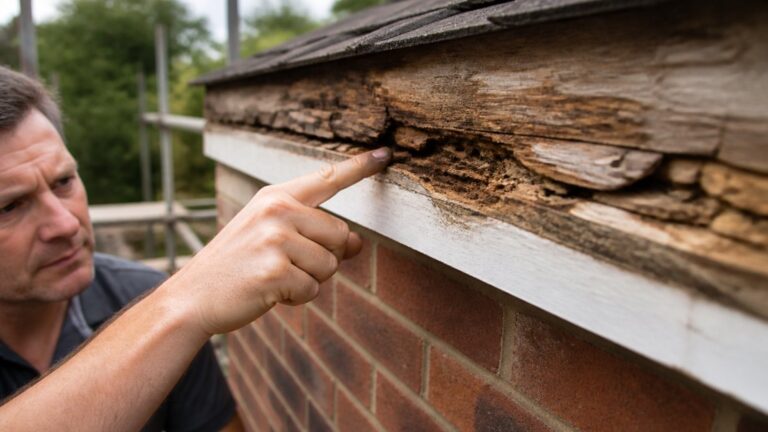
Physical damage visible from the ground tells you plenty. Missing or curling shingles, visible gaps, or tiles that look warped mean water is finding its way into the structure. Moss and algae growth, common in damp climates, suggests moisture retention and potential underlying decay. Sagging sections indicate structural compromise, water has pooled and weakened the supporting timbers.
Interior signs matter more than you might think. Water stains on ceilings or upper-floor walls mean your roof has already failed to keep water out. Damp patches, soft spots in the attic, or visible mould growth all point to active leaks. If you’re noticing these inside your home, the damage is already progressing.
According to guidance from the Building Research Establishment, deterioration accelerates once water ingress begins. Catching it early prevents exponential costs.
Key Takeaway
If your roof is over 20 years old, shows multiple areas of damage, or has caused interior water stains, replacement is usually more cost-effective than repair.
If your roof is over 20 years old, shows multiple areas of damage, or has caused interior water stains, replacement is usually more cost-effective than repair.
How Long Does a Roof Last
Understanding roof lifespan helps you plan ahead rather than react in crisis mode.
Asphalt shingles, the most common residential roofing material in the UK, typically perform for 20 to 25 years in normal conditions. Coastal areas with salt spray exposure or regions with heavy snow loads see shorter lifespans, sometimes 15 to 18 years.
Flat roofs, increasingly popular for modern extensions and commercial buildings, have shorter lifespans. Felt-based flat roofs last 15 to 20 years. Rubber membrane roofs (EPDM) perform for 20 to 25 years. Modern liquid-applied membranes can reach 25 to 30 years with proper maintenance. The difference comes down to material durability and how well water is managed on a surface with no slope.
Maintenance dramatically affects how long any roof survives. A roof that’s cleaned regularly, has gutters cleared twice yearly, and receives prompt repairs to small damage can exceed its typical lifespan by several years. Neglected roofs fail ahead of schedule. Moss buildup traps moisture. Blocked gutters force water under edge flashing. Unrepaired holes become entry points for weather and wildlife.
Location matters too. Roofs in exposed, windy areas deteriorate faster than those in sheltered settings. Salt air corrodes materials. Heavy rain and snow add stress. Shade from trees means moss grows more readily. These factors don’t change the material, but they accelerate wear.
Watch Out
Waiting until your roof fails completely before acting is expensive and dangerous. A roof that’s reached the end of its serviceable life can collapse under heavy snow or allow water damage that spreads through multiple rooms.
Waiting until your roof fails completely before acting is expensive and dangerous. A roof that’s reached the end of its serviceable life can collapse under heavy snow or allow water damage that spreads through multiple rooms.
Roof Inspection Checklist: What to Look For
A systematic inspection tells you whether you’re dealing with isolated problems or widespread failure.
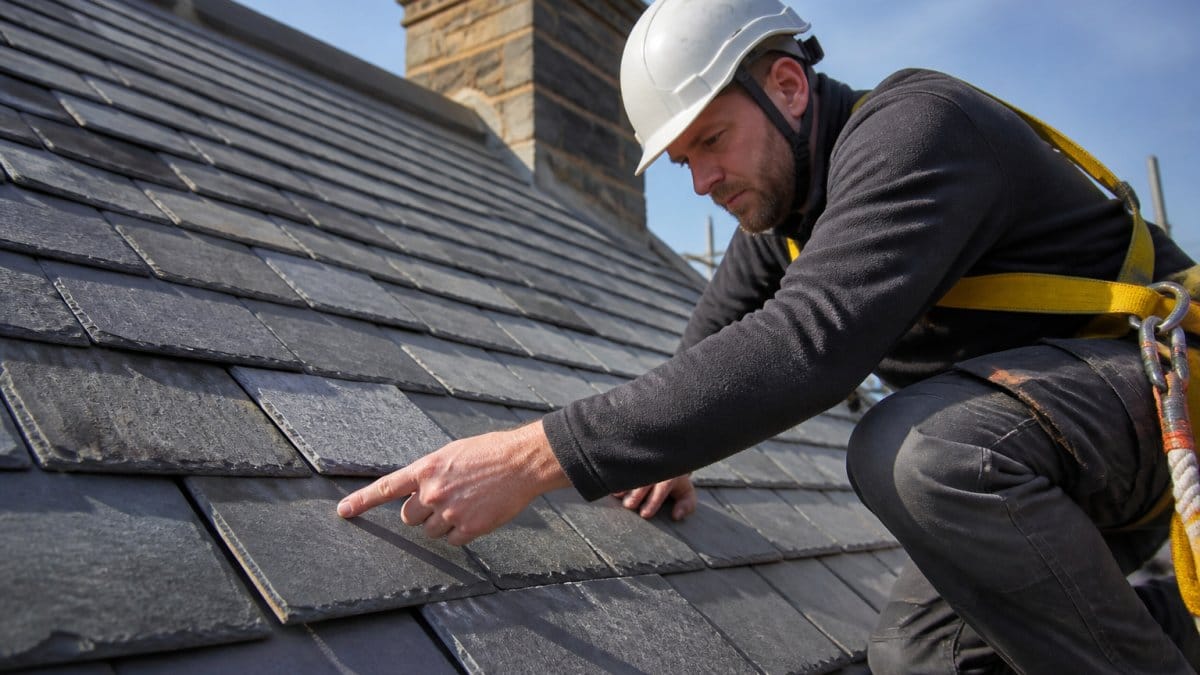
Start from the ground and work your way up. Use binoculars to examine the roof surface without climbing. Look for these specific conditions:
Shingles and tiles: Count how many are missing, cracked, or curled. A few isolated damaged shingles suggest repair. If 10% or more of the surface shows damage across multiple areas, replacement is likely necessary. Check whether damage is concentrated in one area (wind damage, fallen branch) or scattered across the whole roof (age-related failure).
Flashing and edges: Flashing is the metal trim that directs water away from valleys, chimneys, and roof edges. Corroded, loose, or missing flashing is a common failure point.
Gutters and downpipes: Clogged gutters cause water to back up under the roof edge. This is easily remedied with cleaning, but if it’s been happening for years, water damage may already exist underneath.
Moss and algae: Light growth is cosmetic. Heavy moss covering, especially if it’s thick and retaining moisture, suggests the roof is old enough that replacement might be approaching anyway.
Roof structure: From inside the attic or loft, look for daylight coming through. Check for water stains on rafters or felt. Soft, spongy timber indicates rot, a sign that water has been getting in for some time.
Chimneys: Cracks in mortar, loose bricks, or gaps where the chimney meets the roof are common leak sources. These can often be repaired without roof replacement.
Record what you find. Take photos. Note the location and severity of damage. This information helps a surveyor give you an accurate assessment and quote.
Get Your Free Roofing Quote Today! →
Roof Repair Costs UK and Budget Considerations
Cost is often the deciding factor, but it’s important to understand what you’re actually comparing.
Repair costs depend entirely on what’s broken. A single missing tile might cost £50 to £150 to replace. A small leak around a chimney flashing might run £200 to £500. Replacing a section of guttering could be £300 to £800 depending on length and material. These are manageable expenses that extend your roof’s life.
Larger repairs compound quickly. If you need to replace 20% of your roof’s shingles or tiles, you’re looking at several hundred pounds. Repairing structural damage caused by water ingress, replacing rotted timber, treating mould, replacing insulation, can easily reach £1,000 to £3,000 or more.
Full roof replacement is a different scale entirely. Costs vary by roof size, pitch, material choice, and local labour rates. The investment is substantial, but it’s a one-time expense that protects your home for 20+ years.
The critical question is this: if you spend £2,000 on repairs today, how many years of life does that buy you? If your roof is already 22 years old and you’re buying 3 to 5 more years, replacement might deliver better value. If your roof is 10 years old and repairs extend it to 25 years, the repair makes sense.
Best For
Repairs are the right choice when: your roof is under 15 years old, damage is isolated to one or two areas, and repairs cost less than 30% of replacement. Replacement is right when: your roof is over 20 years old, damage is widespread, or you’re facing multiple repair jobs within a short timeframe.
Repairs are the right choice when: your roof is under 15 years old, damage is isolated to one or two areas, and repairs cost less than 30% of replacement. Replacement is right when: your roof is over 20 years old, damage is widespread, or you’re facing multiple repair jobs within a short timeframe.
Making Your Final Decision: Repair or Replace
This is where experience guides the choice.
Start with a professional roof survey. Evershield Roofing offers free surveys in Buckinghamshire, we assess the roof thoroughly and explain what you’re looking at, not just what we’d like to sell you.
Ask the surveyor three specific questions: How much longer will this roof last if well maintained? What repairs are essential now versus preventative? If we repaired all current damage, what’s the realistic timeline until replacement becomes necessary?
Compare the repair cost to replacement cost. If repair is less than 50% of replacement and buys you 5+ years, repair is sensible. If repair approaches 70% or 80% of replacement cost, you’re often better off replacing, you’ll get a warranty, new materials, and peace of mind rather than patching an old roof.
Consider your timeline. If you’re planning to sell within 5 years, a repair might be sufficient. If you’re staying long-term, replacement becomes an investment in your own comfort and security.
Think about your roof’s history. If you’ve already had multiple repairs, each costing £500 to £1,000, the cumulative spend is mounting. A roof with a repair history is a roof that’s beginning to fail, replacement stops the cycle.
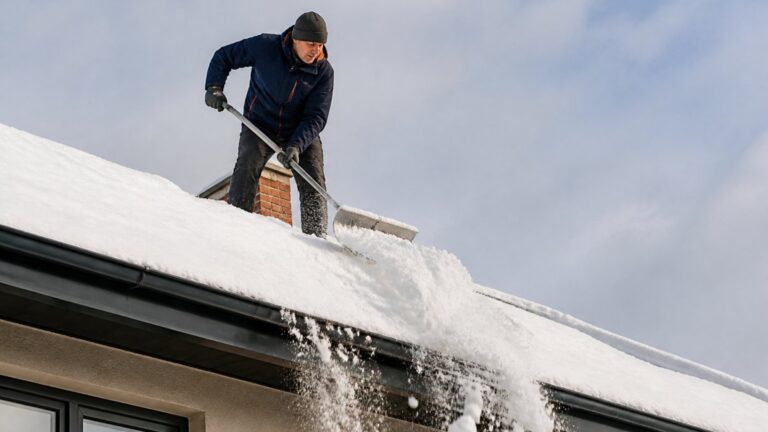
Weather patterns matter too. If your area has seen recent severe storms or heavy snow, your roof has been stressed. Damage that might have been cosmetic on a calm roof can be structural after weather events.
Key Takeaway
The best decision combines condition assessment, cost comparison, and realistic expectations about how long you’re willing to manage an aging roof. Professional guidance removes guesswork.
The best decision combines condition assessment, cost comparison, and realistic expectations about how long you’re willing to manage an aging roof. Professional guidance removes guesswork.
Next Steps: Getting Professional Guidance
You don’t have to make this decision alone.
Contact Evershield Roofing for a free survey. We’ll examine your roof in detail, answer your questions about condition and lifespan, and give you honest guidance about whether repair or replacement makes sense for your specific situation. We’re not here to oversell you a replacement you don’t need, we’re here to help you protect your home cost-effectively.
If repair is the right choice, we’ll outline exactly what needs doing and what it costs. If replacement is necessary, we’ll explain your material options, discuss timelines, and walk you through the process. We offer flexible financing options to make major roof work manageable, and we’re available for emergency roof repairs when weather damage strikes unexpectedly.
Your roof is one of your home’s most critical systems. Getting the decision right on repair versus replace roof protects your investment and your family’s safety. Get your free roofing quote today and let’s get you sorted.
The difference between a roof that protects your home for another 20 years and one that fails within months often comes down to one decision made at the right time. Whether you need targeted repairs or a complete replacement, Evershield Roofing has the experience and expertise to guide you through it. We’ve handled everything from emergency leak repairs to full residential and commercial roof replacements across Buckinghamshire.
| Repair vs Replace Decision | Best For | Key Indicator |
|---|---|---|
| Repair | Roofs under 15 years old with isolated damage | Damage in 1-2 areas only |
| Repair | Sound roof with minor flashing or gutter issues | Repair cost under 30% of replacement |
| Replace | Roofs over 20 years old showing multiple failures | Widespread damage across roof surface |
| Replace | Roofs with repeated repair history | Multiple repair jobs in 2-3 years |
| Replace | Structural damage or interior water stains | Water damage visible inside home |
Frequently Asked Questions
How do I know whether my roof needs repairing or replacing?
The age of your roof is the first indicator. If your roof is nearing the end of its typical lifespan, replacement is often more cost-effective than repeated repairs. For younger roofs, isolated damage to a few tiles or small leaks usually warrant repair. However, if widespread damage, multiple leaks, or structural issues exist, replacement becomes the better choice. A professional roof inspection will clarify which option makes sense for your situation.
What are the main signs that a roof needs replacing rather than repairing?
Key signs include multiple missing or cracked tiles, widespread moss or algae growth indicating deterioration, sagging or uneven roof lines suggesting structural problems, water stains on ceilings in multiple rooms, granules from shingles visible in gutters, and visible light coming through the roof. If your roof has required repairs multiple times within a few years, replacement is often more economical. Age combined with any of these signs strongly indicates replacement is the right choice.
Is it cheaper to repair or replace a roof in the UK?
In the short term, repair is cheaper. A single repair for a few missing tiles or a small leak costs significantly less than full replacement. However, if your roof requires multiple repairs over several years, the cumulative cost often exceeds replacement cost. Additionally, if your roof is aged and near the end of its lifespan, replacement provides long-term value through a full warranty and years of protection without further major work. Request a free survey and quote to compare options for your specific situation.
Can a leaking roof be repaired, or does it need replacing?
Many leaks can be repaired, particularly if they’re caused by a single damaged area, faulty flashing, or missing tiles. However, if the leak stems from widespread deterioration, multiple compromised areas, or structural damage, replacement is necessary. The source of the leak matters: a localised problem suggests repair is viable, while signs of general roof failure indicate replacement. A professional inspection identifies the root cause and recommends the most cost-effective solution.