How to Tell If Roof Popping Noise Is Dangerous
Roof popping noise can signal thermal movement or structural trouble. Learn the causes, danger signs and when to book a roof inspection for unusual noises.

Last Updated: October 27, 2026
Quick Summary
A roof popping noise is rarely dangerous on its own, as most popping comes from thermal movement where tiles and metal fixings expand and contract as temperatures shift. The sound itself is usually harmless, but call a roofer if it comes with water, sagging, or daylight.
- Occasional pops during temperature swings are normal and need no action.
- Sudden, loud cracks followed by a leak need a roofer quickly.
- Repeated popping in one spot can point to a loose fixing or failing batten.
- Cooling after sunset triggers popping as tiles and flashings contract at different rates.
- Call a roofer for water stains, daylight through roof boards, or missing tiles.
Table of Contents
- What Causes Roof Popping Noise and When It Matters
- Roof Popping Noises at Night: Why They Wake You Up
- Roof Cracking Noises in Cold Weather: Thermal Movement Explained
- What to Do When Your Roof Makes Popping Sounds
- Roof Inspection for Unusual Noises: What a Roofer Checks
- Warning Signs That Mean You Should Call a Roofer
- Book a Free Roof Survey with Evershield Roofing
- Frequently Asked Questions
What Causes Roof Popping Noise and When It Matters
A roof popping noise is rarely dangerous on its own. Most popping sounds come from thermal movement, where tiles and metal fixings expand and contract as temperatures shift. The noise is the material settling, not the roof about to collapse.
That said, the question “is roof popping noise dangerous” deserves a proper answer, not a shrug. The sound itself is usually harmless. The location and pattern of the noise is what matters.
Here is a simple guide:
- Occasional pops during temperature swings are normal and need no action.
- Sudden, loud cracks followed by a leak need a roofer quickly.
- Repeated popping in one spot can point to a loose fixing or a failing batten.
The UK Met Office guidance on freeze-thaw conditions explains how repeated freezing and thawing moves building materials. That movement is the engine behind most roof noise.
So when does roof popping noise become a real problem? When it comes with water, sagging, or daylight. Without those, it is usually just your roof doing its job.
Roof Popping Noises at Night: Why They Wake You Up
Night-time popping feels louder for one reason: the house is quiet. A sound that would vanish under daytime traffic becomes a sharp knock at 2am.
Cooling is the main trigger. As the sun sets, roof tiles and metal flashings contract. Different materials shrink at different rates, so joints slip and settle with a pop. This is common on older homes and on roofs with long metal runs.
You hear it more at night because:
- Background noise drops, so small sounds carry
- The roof cools fastest in the first few hours after sunset
- Loft timbers creak as they lose heat
Wildlife can also cause night noise. Birds, squirrels, and even wasps can rattle tiles or gutters. If the sound is scratching rather than popping, that is your clue.
Want a deeper look at what causes noise after dark? Read our guide on why your roof makes noise at night for the full picture.
Roof Cracking Noises in Cold Weather: Thermal Movement Explained
Cold weather makes roofs noisy. This is thermal movement, and it is completely normal. When the temperature drops, materials contract. Tiles, battens, and fixings all move slightly, and the friction between them produces cracks and pops.
The pattern to watch is the timing. Cracks that happen as the temperature falls are expected. Cracks that continue for hours in steady cold, or that come with a visible gap, are not.
Watch out: if a crack in cold weather is followed by a draught in the loft or a damp patch on the ceiling, stop assuming it is thermal. That combination points to a slipped tile or a failed flashing.
Homes in Buckinghamshire with older clay tiles tend to be noisier in winter. Clay and slate move more than modern concrete tiles, so the sounds are louder. Age is not a fault, but it does mean fixings deserve a check now and then.
What to Do When Your Roof Makes Popping Sounds
Start with a simple check from the ground. Most popping is harmless, and a few minutes of looking will tell you whether to relax or call someone.
Follow these steps:
Get Your Free Roofing Quote Today! →
- Note the timing. Does it happen at sunset, sunrise, or during storms?
- Check for leaks. Look at ceilings and loft timbers for damp or stains.
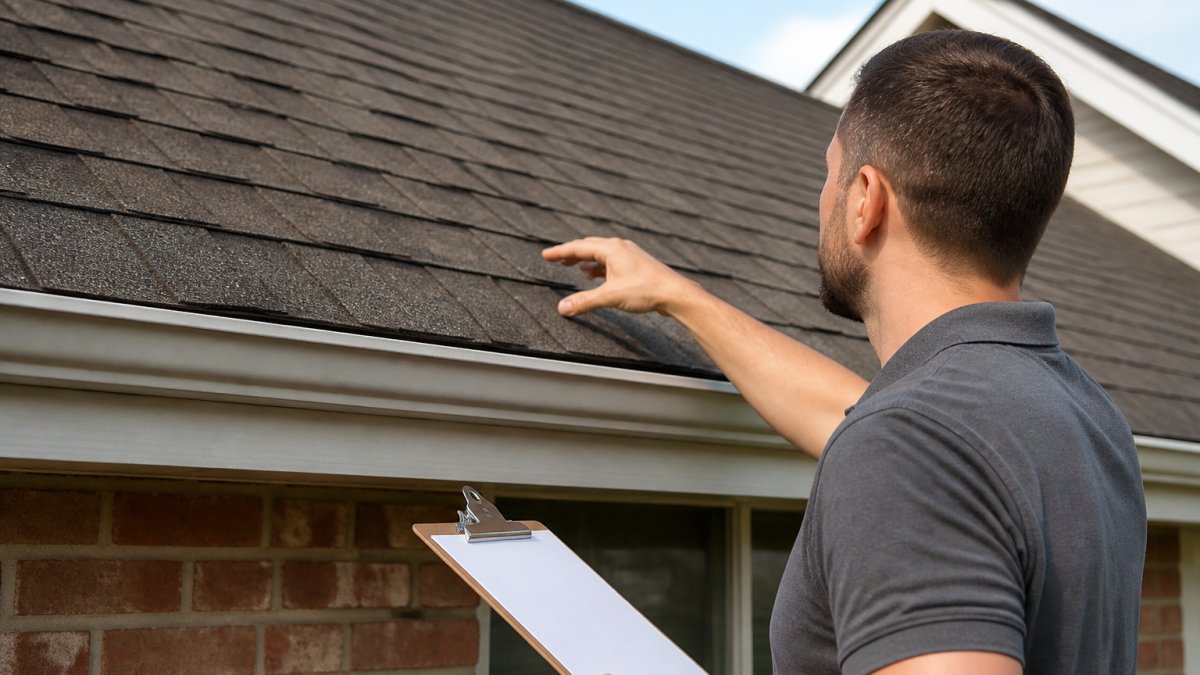
- Look for slipped tiles. Use binoculars from the garden, never climb up.
- Clear the gutters. Blocked gutters hold water and add weight.
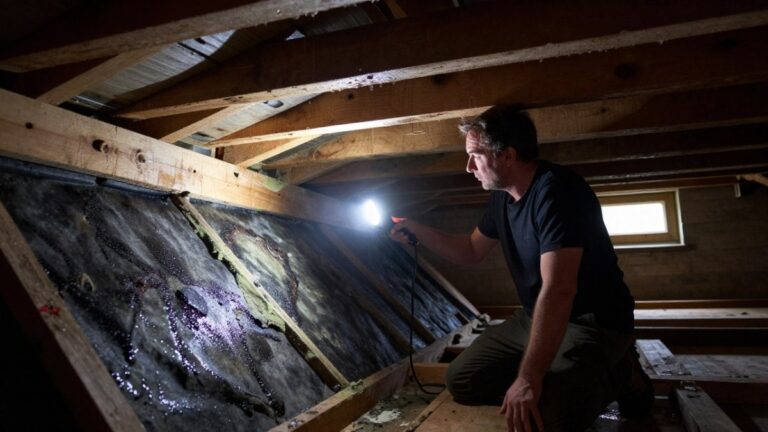
- Check the loft. Look for daylight, damp, or sagging felt.
- Log the pattern. A week of notes helps a roofer diagnose fast.
The Health and Safety Executive guide to safe working at height is clear that roof work is high-risk. Leave the ladder alone and let a trained roofer inspect it.
If the noise is new, sudden, or paired with a leak, do not wait. Call a roofer. If it is occasional and seasonal, keep an eye on it and act when something else changes.
Here is the simple check the article recommends before deciding whether to relax or call someone.
| Step | What to do |
|---|---|
| 1 | Note the timing: sunset, sunrise, or storms |
| 2 | Check ceilings and loft timbers for damp or stains |
| 3 | Look for slipped tiles with binoculars from the garden |
| 4 | Clear the gutters of water and weight |
| 5 | Check the loft for daylight, damp, or sagging felt |
| 6 | Log the pattern for a week to help a roofer |
Roof Inspection for Unusual Noises: What a Roofer Checks
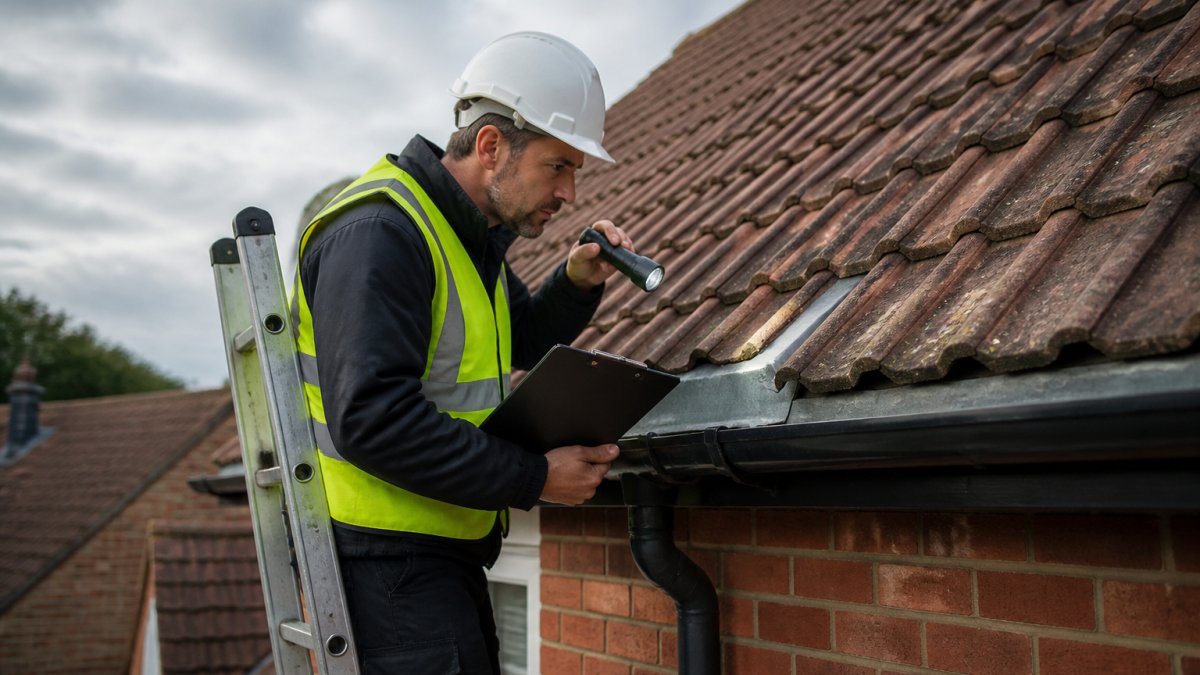
Here is what we look at:
- Fixings and nails: loose or rusted fixings let tiles shift and pop
- Flashings: failed metal flashing around chimneys and valleys causes both noise and leaks
- Battens: rotten battens let tiles move and rattle
- Felt and membrane: torn felt lets water in and changes how the roof sounds
- Chimney and vents: loose cowls and cracked mortar knock in the wind
- Gutters and fascias: loose gutters bang and pull on the roofline
If you are buying a home and the roof is noisy, it is worth knowing whether an inspection is worthwhile. Our page on whether a roof inspection is worth it before buying a house covers that decision.
Warning Signs That Mean You Should Call a Roofer
Most roof popping noise is harmless. Some is not. The difference is in what comes with the sound.
Call a roofer if you notice any of these:
- Water stains on ceilings or walls
- Daylight showing through the roof boards
- Tiles on the ground or missing from the roof
- A sagging roofline or dipped area
- Popping that repeats in the same spot for weeks
- Grit or debris in the gutters after a storm
A common mistake is to ignore a single leak after a popping sound. Small leaks spread. Left alone, they rot battens and soak insulation, and the repair bill climbs.
We handle roof repairs and emergency roof repair work.
Book a Free Roof Survey with Evershield Roofing
You do not have to guess whether a roof popping noise is dangerous.
Evershield Roofing has 25 years of industry experience and is fully insured. We offer free surveys and quotes, with finance available from 0% APR. We handle roof repairs and full replacements.
We answer questions and explain the process.
Frequently Asked Questions
Is a popping noise from the roof dangerous?
Most roof popping noise is harmless thermal movement as tiles and metal expand and contract with temperature changes. It becomes dangerous when the sound is a loud crack or bang, repeats in the same spot, or comes with water stains, sagging or loose tiles. In those cases, seek advice from a roofer.
Why does my roof make popping noises at night?
Roof popping noises at night usually happen because the roof cools quickly after sunset. Tiles, metal sheets and fixings contract at different rates, and the friction between them produces a series of pops. It is more noticeable at night because the house is quiet and the temperature drop is sharper. If the noise only occurs after dark and stops by morning, thermal movement is the likely cause.
Can temperature changes make a roof pop or crack?
Yes. Roof cracking noises in cold weather are common as materials contract, and the same happens when they warm up again. Older bitumen flat roofs and metal coverings are especially prone to this. The sound alone is rarely a problem.
What should I do when my roof makes popping sounds?
Note when the noise occurs, whether it is worse at night or in cold weather, and whether it repeats in one area. Check inside the loft for daylight, damp patches or displaced insulation. If the sound is new, getting louder or paired with a leak, contact a roofer.
A noisy roof is easy to ignore until it is not. If the popping has changed, or you have spotted a leak, do not sit on it. Evershield Roofing offers free surveys, fully insured work, and finance from 0% APR to spread the cost. Get started with Evershield Roofing and book a free roof survey in Torquay and the surrounding area to find out exactly what your roof is telling you.