Roof Replacement Timeline for Detached Houses
Roof replacement timeline: Understand how long roof replacement takes for detached houses. Learn the stages, timescales, and factors that affect.

Table of Contents
- How Long Does Roof Replacement Take?
- Factors Affecting Roof Replacement Time
- The Roof Replacement Process: Stage by Stage
- How to Prepare for a Roof Replacement
- Roofing Planning Permission in Buckinghamshire
- What Can Delay Your Roof Replacement
- Frequently Asked Questions
Last Updated: September 17, 2026
How Long Does Roof Replacement Take?
A complete roof replacement on a detached house typically takes between 2 to 5 days. The actual timeline depends on several factors including roof size, weather conditions, and the complexity of your property’s structure. At Evershield Roofing, we’ve guided hundreds of homeowners through this process, and understanding what to expect helps you plan accordingly.
Most detached houses fall into a predictable timeframe. Smaller properties with straightforward pitched roofs finish faster. Larger homes or those with complicated designs take longer. Weather plays a critical role too. Rain, high winds, or snow can halt work entirely.
The roof replacement timeline for detached houses isn’t just about installation. It includes preparation, removal of old materials, structural inspection, and final cleanup. Each stage has its own duration and requirements.
Pro Tip
Request your free survey early. Evershield Roofing provides detailed timelines during the planning stage, so you know exactly when work will start and finish. This helps you arrange time off work or plan alternative accommodation if needed.
Request your free survey early. Evershield Roofing provides detailed timelines during the planning stage, so you know exactly when work will start and finish. This helps you arrange time off work or plan alternative accommodation if needed.
Factors Affecting Roof Replacement Time
Several conditions influence how long your roof replacement takes. Understanding these helps you set realistic expectations and avoid delays.
Roof Size and Complexity
Larger roofs naturally take more time to replace. A small two-bedroom detached house might have 1,500 square feet of roofing. A larger four-bedroom property could have 2,500 square feet or more. The bigger the surface area, the longer the work takes.
Roof complexity matters equally. Simple pitched roofs with few angles finish quickly. Roofs with multiple gables, valleys, dormers, or chimneys require extra time. Each additional feature adds hours to the job.
The pitch (steepness) of your roof affects safety and speed. Steeper roofs require more careful work and additional safety equipment. Flat or low-pitched roofs allow faster work. Roofers must move more cautiously on steep surfaces, which extends the timeline.
Weather Conditions
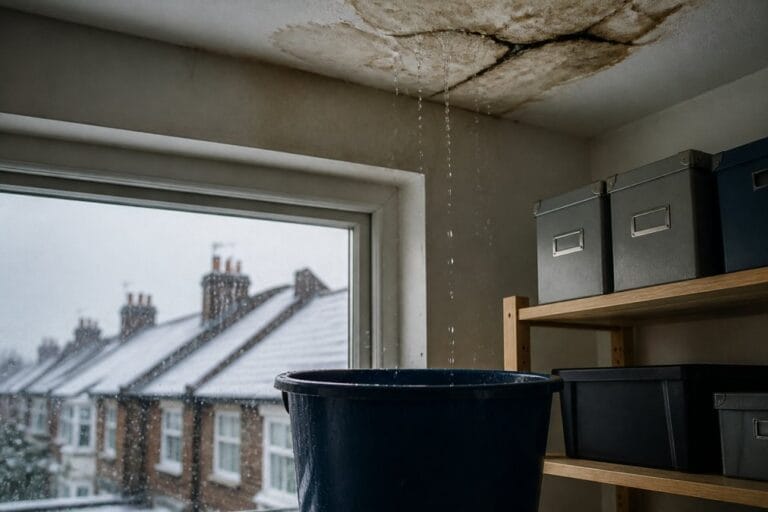
Rain stops all roofing work. Wet surfaces are unsafe and prevent proper installation of new materials. A single rainy day can delay your project by 24 hours or more.
Wind presents another challenge. High winds make working at height dangerous and can damage materials during installation. Most roofers pause work when wind speeds exceed 20-30 mph.
Temperature extremes affect material installation. Cold weather slows down certain roofing materials, particularly asphalt shingles. Hot weather can speed up some processes but creates safety risks for workers.
Seasonal timing matters for your roof replacement timeline. Spring and autumn offer the most stable weather. Summer brings heat and occasional storms. Winter weather in your region can extend timelines significantly.
Structural Issues and Underlying Damage
Hidden damage beneath old roofing materials often emerges during removal. Rotted timber, water damage, or structural weakness requires repair before new installation begins. These repairs add days to your project.
The condition of your roof deck (the wooden structure beneath roofing) directly impacts timeline. A sound deck allows quick new material installation. Damaged decking requires replacement, which extends the work.
Previous poor workmanship sometimes creates complications. Improper ventilation, inadequate flashing, or incorrect fastening means additional remedial work. Your surveyor identifies these issues before work starts.
Watch Out
Delaying structural repairs during roof replacement leads to recurring leaks and costly damage later. Address all identified issues while your roof is exposed.
Delaying structural repairs during roof replacement leads to recurring leaks and costly damage later. Address all identified issues while your roof is exposed.
The Roof Replacement Process: Stage by Stage
Understanding each stage helps you follow progress and anticipate disruptions. Most roof replacement timelines follow this sequence.
Initial Survey and Planning
Your roof replacement timeline begins with a comprehensive survey. An experienced surveyor examines your roof’s condition, size, pitch, and any visible damage. This assessment typically takes 1-2 hours.
The surveyor identifies structural issues, determines material requirements, and checks for planning permission needs. They photograph problem areas and document findings. This information guides the replacement timeline and cost estimate.
After the survey, you’ll receive a detailed quote and project schedule. Evershield Roofing provides this at no cost, helping you understand exactly what to expect.
Preparation and Access Setup
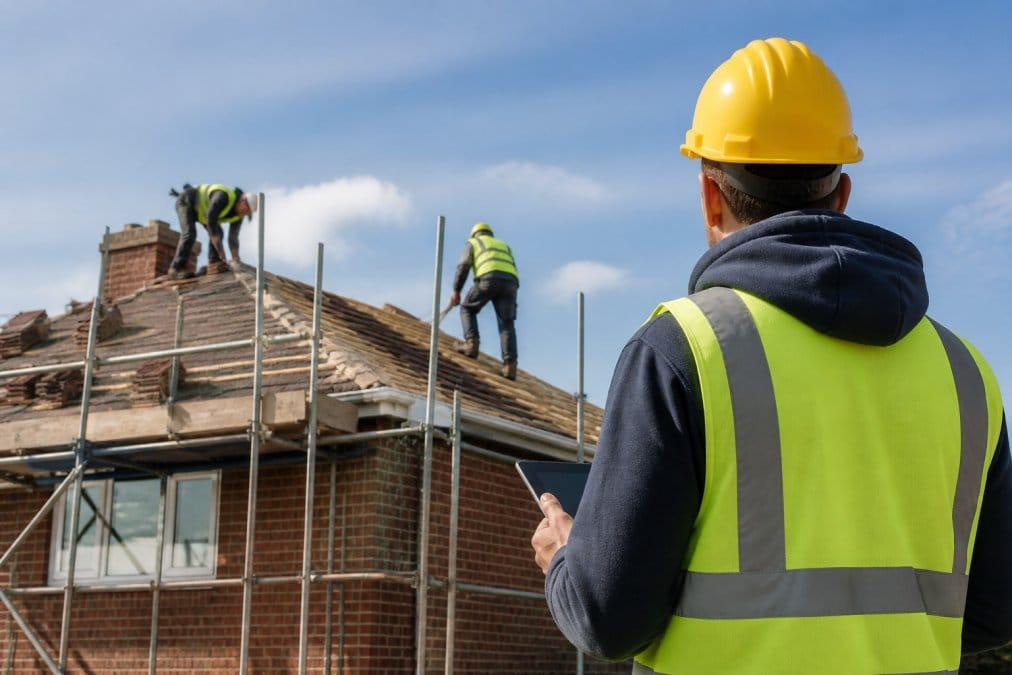
Before removal begins, your team prepares the site. This stage typically takes half a day to one full day.
Work includes:
- Installing protective coverings on gardens and driveways
- Setting up scaffolding or safety equipment
- Establishing safe access routes
- Positioning waste removal containers
- Protecting gutters and downpipes
Proper preparation prevents damage to your property and ensures worker safety. This stage is essential even though it doesn’t involve the actual roof work.
Removal of Old Roofing Materials
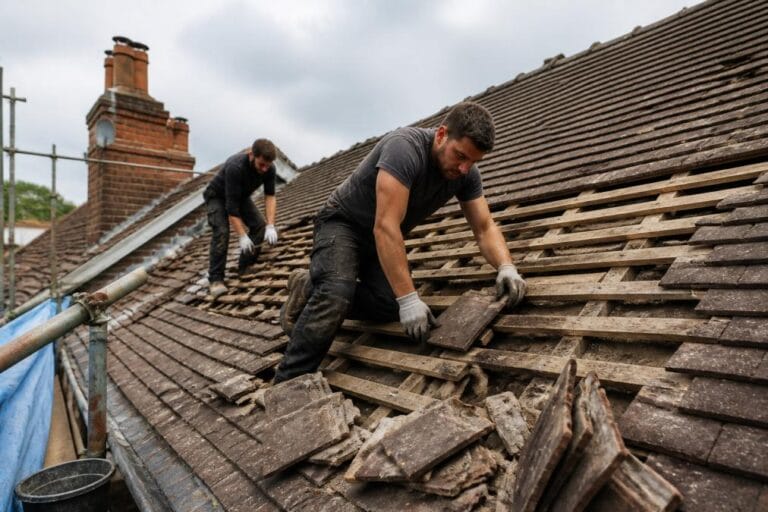
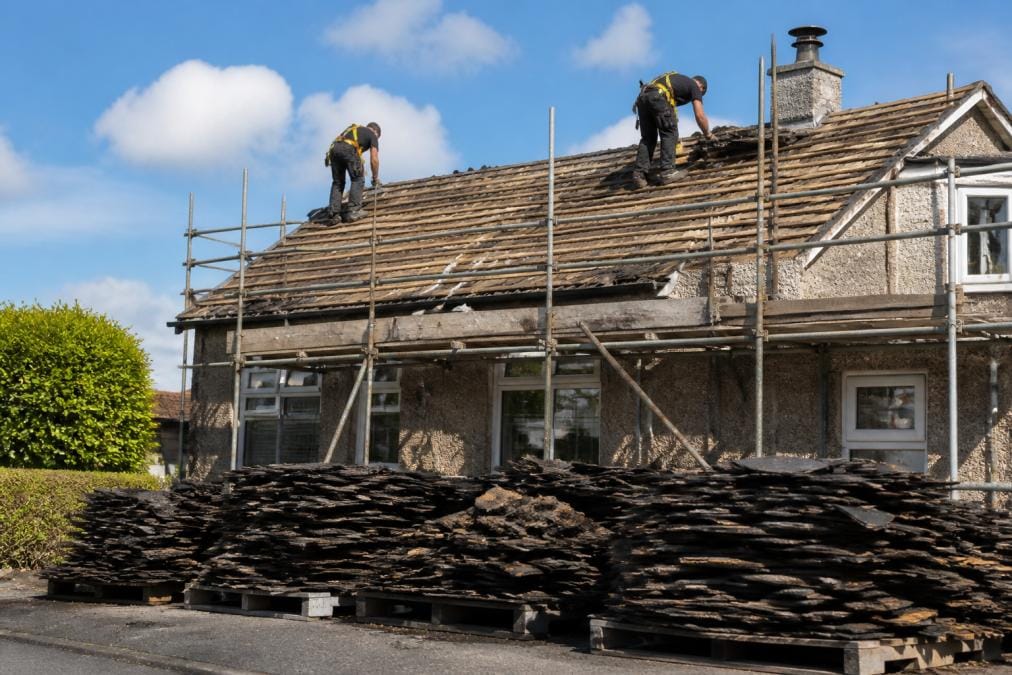
Stripping old materials usually takes 1-2 days for a detached house. Your team carefully removes shingles, underlayment, and flashing.
The pace depends on:
- Roof size and pitch
- Number of layers being removed
- Condition of materials (brittle materials come off faster)
- Weather conditions
Roofers work systematically, section by section, to prevent debris from damaging your property. All old materials are removed and disposed of responsibly.
Inspection and Repair of Roof Structure
Once old materials are gone, the roof deck becomes visible. Your team inspects for damage and makes necessary repairs. This stage typically takes 1 day for most detached houses.
Get Your Free Roofing Quote Today! →
Common repairs include:
- Replacing rotted timber
- Reinforcing weak areas
- Installing new plywood where needed
- Treating wood for pest prevention
Your surveyor identified these issues beforehand, so no surprises occur. Repairs are essential before new roofing installation begins.
Installation of New Roofing
New material installation is the longest stage, typically taking 1-3 days depending on roof size and complexity.
The process includes:
- Installing underlayment for weather protection
- Fitting flashing around chimneys and valleys
- Installing new shingles or chosen roofing material
- Securing all materials properly
- Installing ridge caps and vents
Each layer must be installed correctly to ensure your roof’s long-term performance. Rushing this stage compromises durability.
Final Inspection and Cleanup
Your roof replacement timeline concludes with final inspection and site cleanup. This takes half a day.
The team:
- Inspects all new work for quality and proper installation
- Removes temporary coverings and scaffolding
- Cleans your property thoroughly
- Removes all waste materials
- Performs a final walkthrough with you
A quality roof replacement includes a thorough final inspection. You should walk the property with your roofer to confirm everything meets your expectations.
Key Takeaway
The entire roof replacement process, from survey to final cleanup, typically spans 5-10 working days for most detached houses. Weather delays can extend this timeline.
The entire roof replacement process, from survey to final cleanup, typically spans 5-10 working days for most detached houses. Weather delays can extend this timeline.
How to Prepare for a Roof Replacement
Preparation before work starts makes the process smoother and faster. Take these steps to ready your home.
Clear the area around your home. Move vehicles from the driveway and street. Remove garden furniture, bins, and decorative items. Debris falls during removal, so clear space prevents damage.
Protect vulnerable items. Close windows and doors on upper floors. Cover air conditioning units or external equipment. Move anything valuable from your loft or attic.
Arrange alternative accommodation if needed. Roof work creates noise and disruption. Consider staying elsewhere during removal and installation if noise bothers you.
Inform your neighbours. Let them know work is happening. Early notice prevents complaints and builds goodwill.
Prepare access for workers. Ensure your driveway is clear for equipment delivery. Provide parking space for the team’s van. Keep pathways to your roof clear.
Document your current roof condition. Take photos before work starts. This creates a record for insurance purposes. If you’ve experienced leaks or other issues, also consider whether roof repairs might address them before full replacement becomes necessary, your surveyor can advise during the planning stage.
Review your roof replacement timeline with your contractor. Confirm start dates, expected duration, and completion schedules. Ask about contingencies if weather delays work.
Arrange finance if needed. Evershield Roofing offers flexible finance options.
Roofing Planning Permission in Buckinghamshire
Planning permission requirements vary depending on your specific roof replacement project. Most standard roof replacements on detached houses don’t require planning permission, but exceptions exist.
Permission is typically NOT required when:
- Replacing your roof with the same material and colour
- Installing standard pitched roofing on a detached house
- Work doesn’t alter the roof’s external appearance
Permission IS required if:
- Your property is listed or in a conservation area
- You’re installing solar panels or other new features
- Work changes the roof’s profile or appearance significantly
- Your local authority has specific conservation rules
Pro Tip
If your property is in a conservation area, submit your planning application early. Processing times vary, and delays impact your roof replacement timeline.
If your property is in a conservation area, submit your planning application early. Processing times vary, and delays impact your roof replacement timeline.
What Can Delay Your Roof Replacement
Several factors beyond your control can extend timelines. Understanding these helps you plan contingencies.
Frequently Asked Questions
How long does it take to replace a roof on a detached house?
A typical roof replacement timeline for a detached house spans 3-6 weeks from initial survey to completion. The actual work on site usually takes 5-10 days, depending on roof size, weather, and any underlying structural issues discovered during removal. Smaller, straightforward replacements may finish in 3-5 days, while larger or more complex projects can extend to 2-3 weeks of active work.
What factors influence the duration of a roof replacement project?
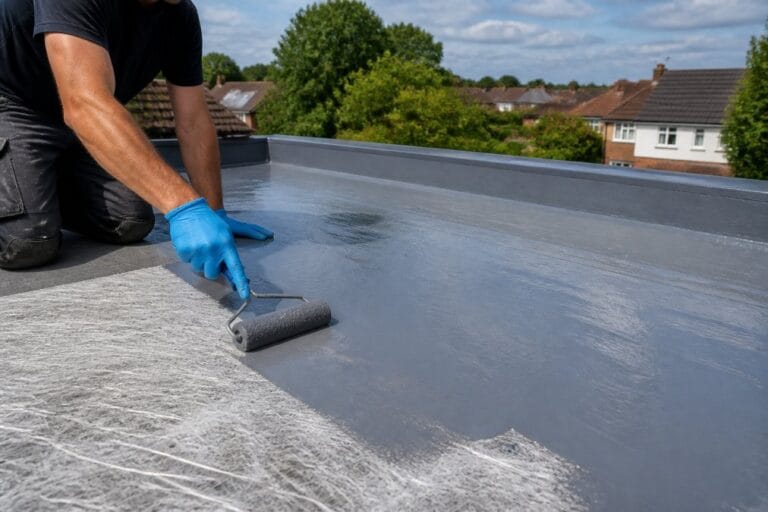
Several factors affect roof replacement time: roof pitch and complexity, presence of structural damage, weather conditions, material availability, and whether additional repairs are needed. Summer weather allows faster progress, while winter delays are common. Discovering rot or structural issues during removal can add 1-2 weeks. Flat roof replacements often take longer than pitched roofs due to drainage considerations and material application time.
Do I need planning permission for a roof replacement in Buckinghamshire?
Most roof replacements do not require planning permission if you are replacing like-for-like with the same material and design. However, if you are changing the roof type, altering the roof pitch significantly, or adding dormer windows, you may need to apply to your local planning authority. Listed buildings and conservation areas have stricter rules. Contact your local council or speak with your surveyor before starting work to confirm your specific requirements.
How does weather affect the roof replacement timeline?
Weather is one of the biggest variables. Heavy rain, strong winds, or snow can halt work for days or weeks. Summer months typically offer the fastest timescales, while autumn and winter introduce delays. Roofers cannot safely work in winds over 40 mph or heavy rain. If poor weather is forecast, work stops to protect both the property and the team. Planning your replacement during spring or summer reduces weather-related delays significantly.