Why Roof Maintenance Is Essential for Property Value
Roof maintenance protects property value. Learn the checklist, signs of damage and how often to inspect your roof to avoid costly repairs.

Table of Contents
- How Roof Condition Directly Affects Property Value
- Signs of Roof Damage That Buyers and Surveyors Spot Immediately
- How Often to Inspect Your Roof (And Why It Matters)
- Roof Maintenance Checklist for UK Homeowners
- The Real Cost of Neglecting Roof Maintenance
- How a Maintenance Plan Protects Your Investment Long-Term
- Frequently Asked Questions
Last Updated: October 1, 2026
How Roof Condition Directly Affects Property Value
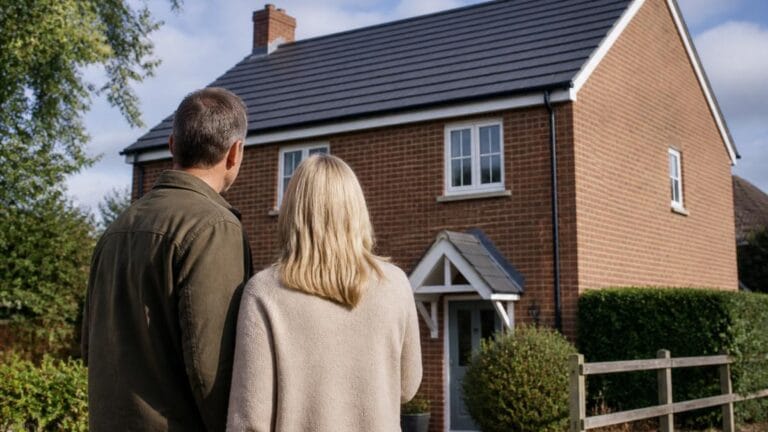
A roof in poor condition can knock thousands off a property’s value and stall a sale before it even gets going. Roof maintenance is the single most reliable way to protect that value, because surveyors, buyers and mortgage lenders all treat the roof as a headline indicator of how well a building has been looked after. This guide from Evershield Roofing explains what deterioration actually costs homeowners, and how a simple maintenance routine keeps your investment intact.
The logic is straightforward. A roof is the most exposed part of any property, taking everything the weather throws at it year after year. When it fails, water gets into the structure, and structural problems are expensive to reverse. Buyers know this. Surveyors know this. And lenders, wary of taking on a property with an obvious defect, may simply decline the mortgage.
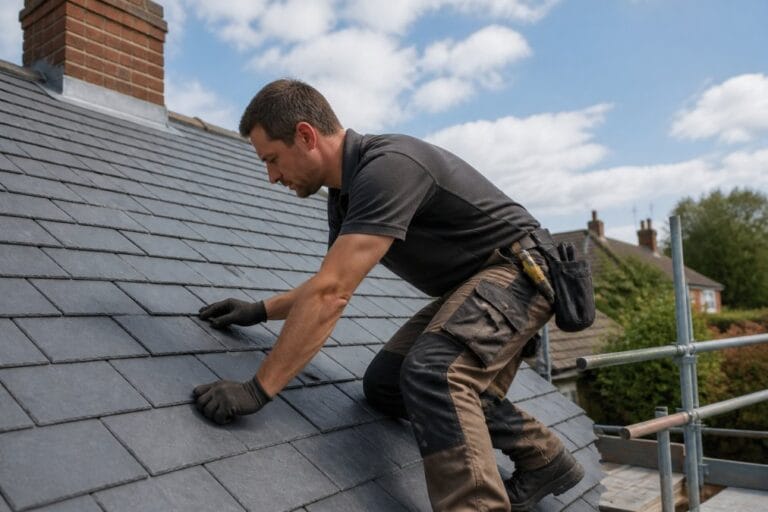
Roof maintenance is the routine inspection, cleaning and repair of a roof’s covering, drainage and flashings to prevent water ingress and extend the life of the structure. It is preventative work, not emergency work, and it is far cheaper than the alternative.
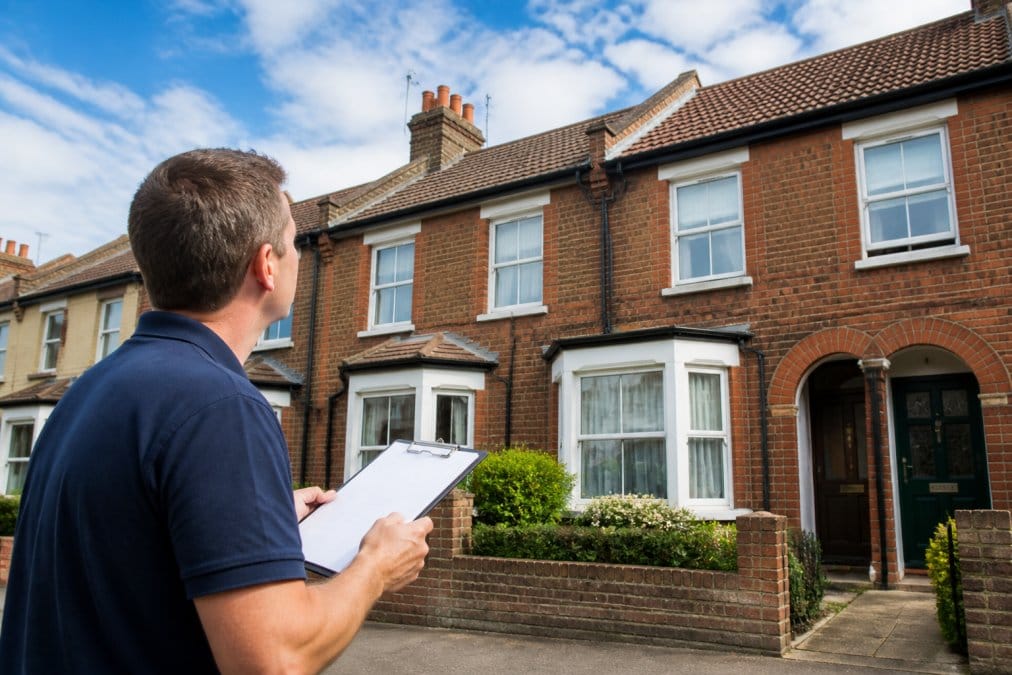
Signs of Roof Damage That Buyers and Surveyors Spot Immediately
Surveyors identify roof problems quickly because the warning signs are visible from the ground or a ladder. Missing or slipped tiles, cracked slates, sagging rooflines, water staining on ceilings, and moss growth along the ridge are all red flags recorded in a home survey report.
Buyers, meanwhile, spot the same issues and either walk away or use them to negotiate hard on price. A roof that clearly needs work hands them use.
The most common signs to watch for:
- Slipped, cracked or missing tiles and slates
- Damp patches or brown staining on upper ceilings
- Granules collecting in gutters, a sign of worn felt or shingles
- Moss and algae buildup holding moisture against the covering
- Sagging or dipping rooflines
- Daylight visible through the roof from inside a loft
What most guides miss is that several of these problems are cheap to fix early and expensive to fix late. A slipped tile is a minor repair. The damp patch it causes three months later is not.
Watch Out
Ignoring a small leak is the most expensive mistake homeowners make. Water travels along timbers before it shows on a ceiling, so by the time you see a stain, the damage has often spread well beyond the entry point.
Ignoring a small leak is the most expensive mistake homeowners make. Water travels along timbers before it shows on a ceiling, so by the time you see a stain, the damage has often spread well beyond the entry point.
How Often to Inspect Your Roof (And Why It Matters)
Roofs should be inspected at least twice a year, ideally in spring and autumn, plus after any major storm. A professional inspection is also worth arranging before you list a property for sale or after a significant weather event.
The reason frequency matters is that roofs deteriorate gradually and then suddenly. Small defects sit quietly for months, then a single storm turns a loose flashing into a full leak. Regular checks catch problems while they are still minor.
For most homeowners, a practical schedule looks like this:
| When | What to check | Why it matters |
|---|---|---|
| Spring | Tiles, flashings, moss growth | Catches winter damage early |
| Autumn | Gutters, drainage, loose fixings | Prepares roof for winter |
| After storms | Missing tiles, leaks, debris | Prevents small issues escalating |
| Before selling | Full professional survey | Avoids price negotiations |
If you are unsure what you are looking at, a professional roof survey removes the guesswork. Evershield Roofing offers free surveys and quotes, so there is no cost to getting an expert opinion on a roof.
Roof Maintenance Checklist for UK Homeowners
A roof maintenance checklist is a simple seasonal routine that covers the covering, the drainage and the fixings. Working through it twice a year keeps most roofs in good order and flags anything that needs professional attention.
- Inspect tiles and slates for cracks, slips or gaps
- Check ridge and hip tiles for movement
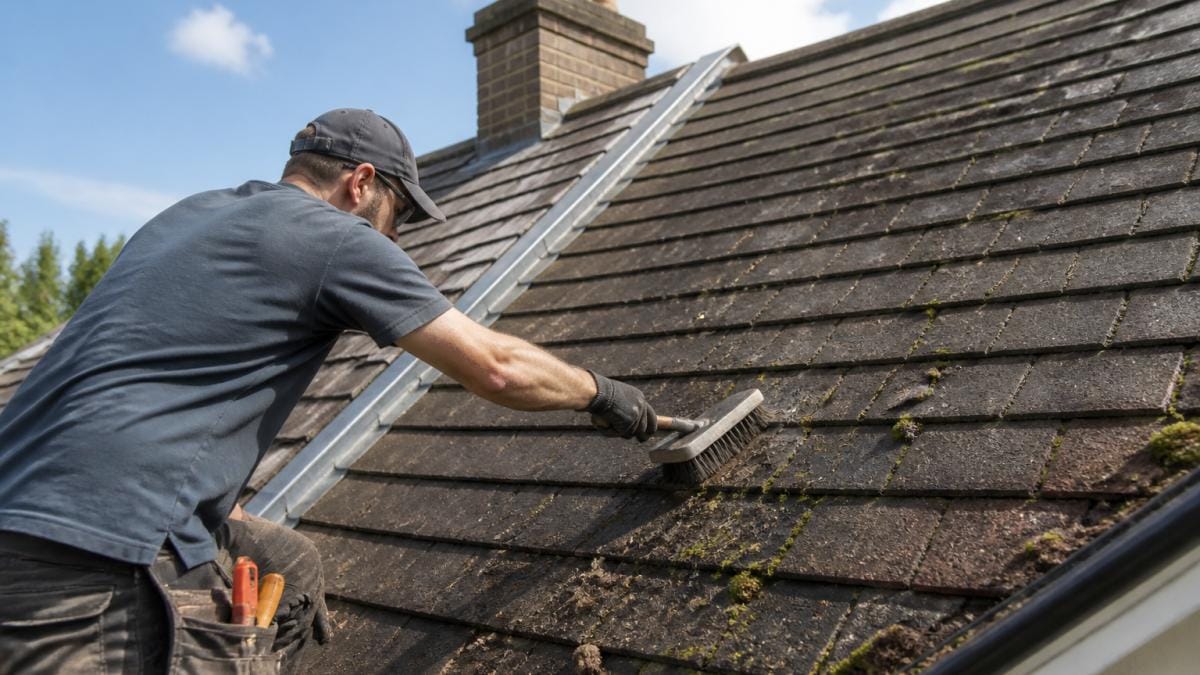
- Clear moss and organic growth from the covering
- Clean gutters and downpipes of leaves and debris
- Check flashings around chimneys and vents
- Look for staining or damp on loft ceilings and timbers
- Confirm fascia and soffit boards are sound
- Book a professional inspection if anything looks uncertain
Gutter cleaning and roof cleaning are the two tasks most homeowners skip, and they are the two that prevent the most damage. Blocked gutters push water back under the roofline, while moss holds moisture against the covering. Both are straightforward to address before they cause structural problems.
Pro Tip
Book your gutter clean in late autumn, after the leaves have fallen but before the first hard frost. Clearing them once at the right time prevents the winter overflow that causes most fascia and soffit damage.
Book your gutter clean in late autumn, after the leaves have fallen but before the first hard frost. Clearing them once at the right time prevents the winter overflow that causes most fascia and soffit damage.
The Real Cost of Neglecting Roof Maintenance
The cost of neglect is not just the repair bill. It is the repair bill plus the secondary damage plus the loss of value at sale. Water that gets past a failed roof can rot timbers, damage insulation, stain plaster and, in serious cases, compromise the structural integrity of the building.
Get Your Free Roofing Quote Today! →
Because pricing depends on the size, pitch and condition of each individual roof, Evershield Roofing provides free surveys and quotes rather than fixed figures. The honest answer to “what will this cost?” is that it varies, and any roofer quoting a number before seeing the roof is guessing.
What is consistent is the pattern. A minor repair caught early stays minor. The same defect left for a year becomes a repair plus damp remediation plus timber work. The roof itself is only part of the bill.
For homeowners worried about larger work, Evershield Roofing offers finance from 0% APR, which spreads the cost of a significant repair or replacement rather than forcing a lump sum.
How a Maintenance Plan Protects Your Investment Long-Term
A maintenance plan turns roofing from a series of emergencies into a predictable schedule. Instead of reacting to leaks, you are managing a known asset with a known lifespan.
The long-term case rests on three things. First, a well-maintained roof lasts longer, so replacement is deferred. Second, documented maintenance reassures buyers and surveyors, supporting the asking price. Third, catching defects early keeps repair costs low.
For commercial property managers, the same logic applies with higher stakes, since a leaking roof can disrupt operations and damage stock or equipment. A planned maintenance programme avoids that.
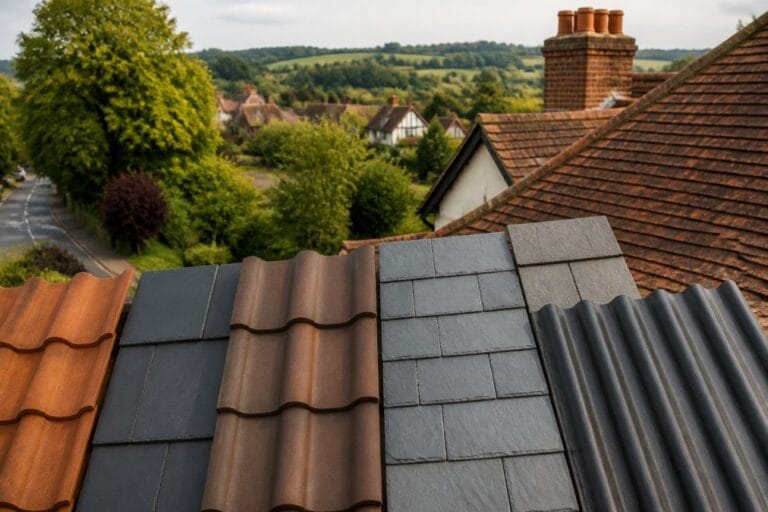
Evershield Roofing has over 25 years in the industry and handles roof repairs, new roof installations, flat roofs, guttering, chimney repairs and roof cleaning, so a single maintenance plan can cover the whole roof rather than sending you to separate trades. The team is fully insured and available for emergency roof repair when something goes wrong between scheduled visits.
RICS guidance on building surveys and property condition
Roof maintenance is not glamorous, and it is easy to postpone. But the homeowners who protect their property value are the ones who treat the roof as a maintained asset rather than a problem to deal with later. Evershield Roofing offers free surveys and quotes, finance from 0% APR, and over 25 years of experience across Buckinghamshire, with fully insured teams ready for everything from a slipped tile to a full replacement. Get your free roofing quote today and find out exactly where your roof stands.
Frequently Asked Questions
Does a new roof add value to a house in the UK?
A new roof can add value because it removes a major repair liability that buyers and mortgage lenders factor into their decisions. Surveyors flag roof defects as urgent items, and a replacement roof signals that the property has been maintained. The exact uplift depends on the property, location and roof type, so ask a roofing specialist to survey your roof and explain what work would make the biggest difference before you commit to a full replacement.
How does roof condition affect property surveys in Buckinghamshire?
Surveyors inspect roofs for missing tiles, cracked flashing, sagging lines and damp patches in the loft. They rate defects as urgent or non-urgent, and a roof flagged as urgent can delay a sale or push buyers to renegotiate. A roof maintenance checklist completed regularly means fewer surprises at survey stage. If you are selling, a pre-sale roof inspection gives you time to fix problems before they cost you a buyer.
What are the signs that my roof needs professional maintenance?
Watch for missing or cracked tiles, moss buildup, water stains on ceilings, granules in gutters, daylight showing through the loft and damp patches around the chimney. Sagging rooflines or flashing that has pulled away also point to trouble. Any of these signs of roof damage should prompt a professional inspection. Catching them early usually means a repair rather than a full replacement, which protects both your home and its value.
How often should I have my roof inspected in the UK?
Most UK roofs benefit from an inspection every 12 to 18 months, plus a check after any severe storm. Older roofs, flat roofs and properties surrounded by trees may need annual inspections because moss and standing water cause damage faster. If you are unsure how often to inspect your roof, book a survey and ask the roofer to recommend a schedule based on your roof’s age, material and condition.