Why Does My Roof Make Noise at Night?
Why does my roof make noise at night: Roof noise at night is usually harmless thermal expansion or wildlife. Learn what causes it, when to worry, and how.

Table of Contents
- Why Your Roof Makes Noise at Night
- Thermal Expansion and Roof Noise Explained
- Wind Uplift and Loose Components
- Signs of Pests in Your Loft Space
- Structural Settling and Age-Related Sounds
- When Roof Noise Signals a Real Problem
- DIY Inspection Checklist vs. Professional Assessment
- Mitigation Techniques and Soundproofing Options
Last Updated: August 13, 2026
Why Your Roof Makes Noise at Night
Hearing your roof creak, pop, or crack in the dead of night can be unsettling. At Evershield Roofing, we’ve investigated countless reports of mysterious roof sounds from homeowners across Buckinghamshire, and the answer is rarely as dramatic as it first sounds. Most roof noise at night stems from perfectly normal thermal and environmental processes. Understanding why does my roof make noise at night is the first step toward distinguishing between harmless settling sounds and genuine structural concerns that demand professional attention.
The noises you hear typically fall into predictable categories tied to temperature changes, material movement, and environmental factors. Some are completely benign. Others warrant a closer inspection. This guide walks you through the most common causes, how to identify what you’re hearing, and when to call in a professional.
Thermal Expansion and Roof Noise Explained
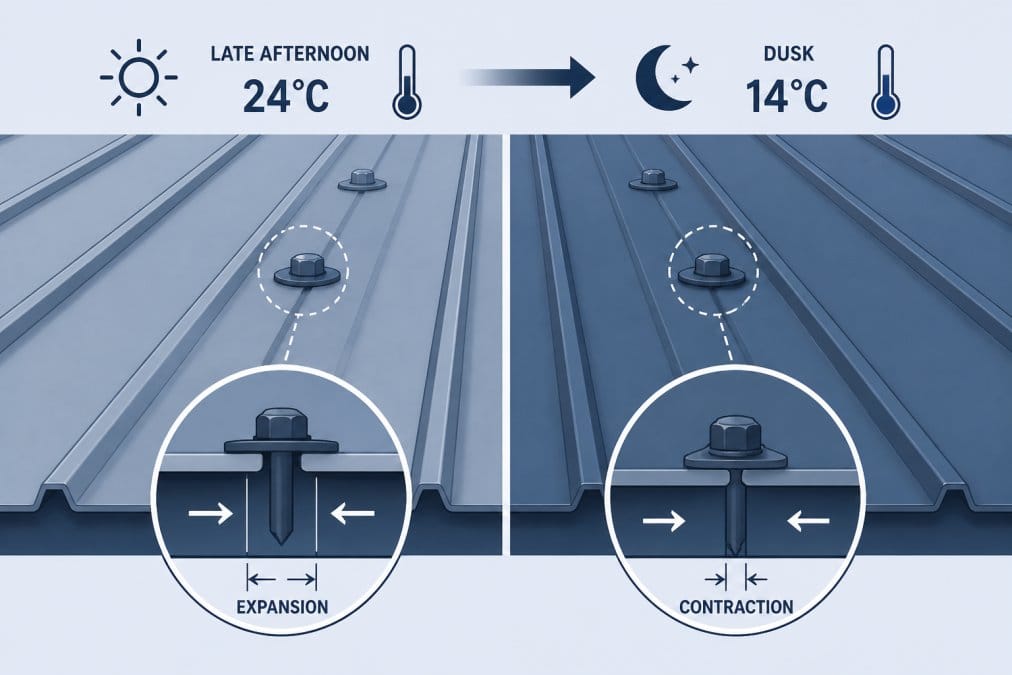
Temperature fluctuations cause roofing materials to expand and contract continuously. When the sun heats your roof during the day, metal, shingles, and timber all absorb that energy and expand slightly. As temperatures drop at night, particularly during evening cooling cycles, these same materials contract back to their original dimensions. This thermal movement is relentless and unavoidable.
How temperature fluctuations affect different roofing materials
Different materials respond to thermal expansion and contraction at different rates. Metal roofing expands and contracts more noticeably than asphalt shingles or tile, which is why metal roofs are often noisier at night. The fasteners holding metal sheets in place create friction as the material moves, producing distinctive popping or pinging sounds. Colourbond and other metal roof types are particularly prone to this, especially on clear nights when temperature swings are most dramatic.
Asphalt shingles move too, but the movement is more subtle and distributed across the roof deck. Timber trusses and rafters also expand and contract with temperature changes, though the movement is typically slower than metal. The wood creaks as it adjusts, particularly if the roof was recently installed or if humidity levels fluctuate alongside temperature.
Slate and clay tiles are more stable thermally, but they’re not immune. Rapid temperature changes can cause tiles to shift slightly against their neighbours, creating subtle cracking or settling sounds. Understanding your roof material type helps explain the specific sounds you’re hearing at night.
Why nocturnal cooling creates popping and creaking sounds
Nocturnal cooling is particularly pronounced during clear nights when heat radiates away from the roof surface rapidly. On these nights, the temperature differential between midday and midnight can be substantial, sometimes 15-20°C or more depending on season and weather conditions. This aggressive cooling cycle forces rapid contraction, and that’s when you hear the most dramatic popping and creaking.
The popping sound is often the fasteners, nails, screws, or bolts, shifting slightly as the material beneath them contracts. Metal fasteners have different thermal properties than the roof material, so they move at different rates. That mismatch creates friction and the characteristic pop or crack sound. Creaking comes from wood structural elements like rafters and trusses as they adjust to the temperature change.
Most homeowners notice these sounds more at night because the house is quiet. The sounds are always happening, but daytime noise masks them. Also, temperature swings are often most dramatic after sunset, so the rate of contraction peaks when you’re trying to sleep. This is completely normal behaviour and requires no action unless the sounds are accompanied by visible damage or leaks.
Wind Uplift and Loose Components
Wind doesn’t just blow across your roof, it creates pressure differentials that literally try to lift it away from the structure beneath. On windy nights, this uplift force can stress fasteners, loosen components, and create movement that produces noise. Wind uplift is especially problematic on roofs with loose shingles, missing fasteners, or components that weren’t properly secured during installation.
When wind catches the edge of a loose shingle or a lifted roof membrane, it creates a rhythmic flapping or banging sound. This is different from thermal expansion noise, it’s usually louder, more irregular, and tied directly to wind speed. If you hear this sound primarily on blustery nights, wind uplift is likely the culprit.
Loose guttering, fascia boards, and soffit components amplify wind noise significantly. Even small gaps or separation can rattle in the wind, creating sounds that seem to originate from the roof itself. Check for loose components after windy nights. Fastener tension in roofing systems can gradually loosen over time due to vibration and thermal cycling, so periodic inspection helps catch these issues before they worsen.
Signs of Pests in Your Loft Space
Nocturnal wildlife activity is a common source of roof noise that homeowners often overlook. Rats, squirrels, birds, and bats are most active at night, and they can create surprisingly loud sounds inside the loft space. Scratching, scurrying, and gnawing noises are the most typical indicators of pest activity.
Common nocturnal wildlife sounds and what they indicate
Rats produce rapid scratching and scurrying sounds as they move across timber beams and through insulation. These noises are usually continuous and frantic, especially if multiple rats are present. You’ll often hear them most clearly at dusk and in the early hours of the morning when activity peaks.
Squirrels create similar scratching sounds but often accompanied by heavier thumping as they jump between beams. Their activity tends to be more concentrated in specific areas, usually where they’re nesting or storing food. Squirrel noise is often louder and more deliberate than rat activity.
Birds nesting in the loft or eaves create cooing, chirping, and fluttering sounds, particularly during breeding season. These sounds are usually more melodic and less frantic than rodent activity. Bats produce high-frequency clicking and chirping that’s often barely audible to human ears, though some people detect a faint squeaking sound.
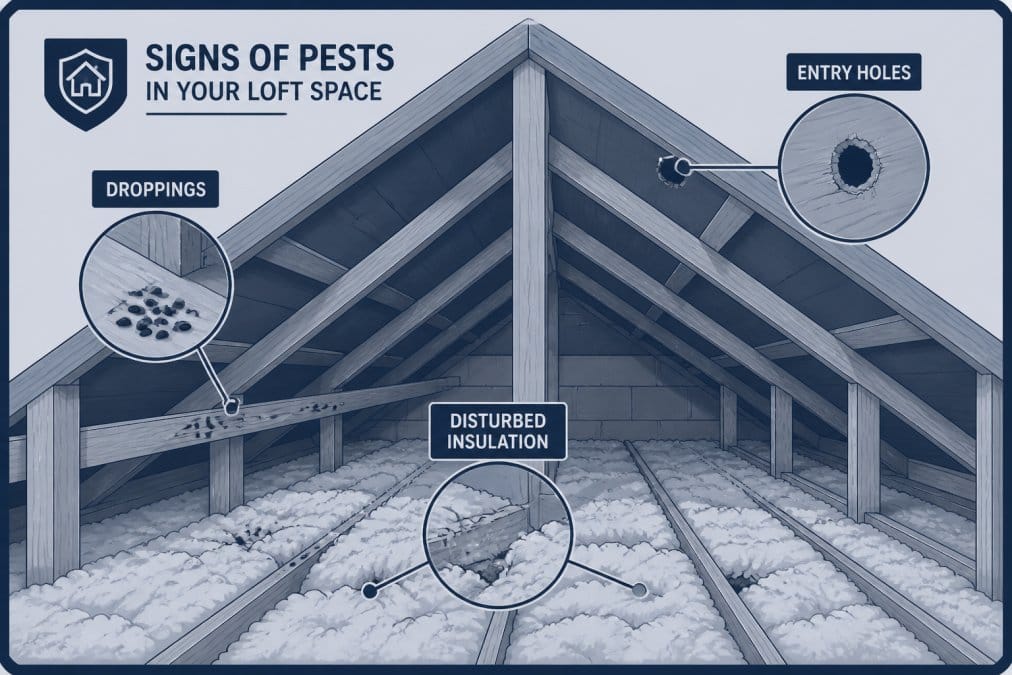
The presence of pest activity often indicates entry points that need sealing. Droppings, chewed insulation, and nesting material are clear signs that action is needed. Unlike thermal expansion or wind noise, pest activity demands professional intervention to remove the animals safely and seal entry points.
Structural Settling and Age-Related Sounds
Older roofs and houses naturally settle over time. This settling can create creaking, cracking, and popping sounds as the structure adjusts. Timber elements dry out and shrink, fasteners loosen incrementally, and connections shift slightly. This process is gradual but can produce audible sounds, particularly at night when the house cools and contracts.
New roofs sometimes produce settling sounds too, especially during the first 12-24 months after installation. Materials are still adjusting to their final position, fasteners are still finding their final tension, and the structural system is stabilising. These sounds typically diminish as the roof matures.
Age-related sounds become more pronounced in roofs over 15-20 years old. Fasteners that have been cycling through thermal expansion and contraction thousands of times gradually loosen. Timber elements develop small cracks and checks as they age. Roofing membranes become less flexible. All of these contribute to increased noise during temperature swings.
The distinction between normal settling sounds and sounds that indicate structural problems often comes down to consistency and pattern. Settling sounds are usually intermittent and tied to temperature or humidity changes. They don’t typically worsen rapidly or come with visible signs of damage.
When Roof Noise Signals a Real Problem
Not all roof noise is harmless. Certain sounds and patterns warrant professional inspection because they may indicate underlying structural issues, water damage, or failing components.
Get Your Free Roofing Quote Today! →
Red flags that require professional inspection
Loud cracking or popping sounds accompanied by visible cracks in the ceiling or walls suggest structural movement beyond normal settling. If you see water stains, sagging areas, or daylight coming through the roof, these are immediate red flags. Water damage inside the loft, wet insulation, mould, or rotting timber, indicates that the roof is failing and allowing water ingress.
Sounds that worsen noticeably over weeks or months suggest progressive deterioration rather than normal thermal behaviour. If the noise pattern changes, for example, if creaking sounds become louder or more frequent, this can indicate that fasteners are loosening or structural elements are shifting more than they should.
Loud banging or rattling that persists even on calm nights suggests loose components rather than wind activity. This typically means fasteners need tightening or components need replacement. Uneven settling sounds concentrated in one area of the roof may indicate localised structural problems.
If you detect musty smells, hear water dripping inside the loft, or notice pest droppings, these are clear signals that professional assessment is essential. These problems don’t resolve on their own and typically worsen if ignored.
DIY Inspection Checklist vs. Professional Assessment
You can perform basic visual inspections to rule out obvious problems. A professional inspection, however, provides comprehensive assessment and access to areas you cannot safely reach.
DIY Inspection Checklist:
- Check the loft space for visible water stains, mould, or wet insulation
- Look for pest droppings, nesting material, or entry holes
- Inspect visible fasteners and seams for gaps or separation
- Check gutters and downpipes for debris, damage, or improper drainage
- Look at the roof exterior from ground level for missing shingles, loose tiles, or visible damage
- Note the date and time when noise occurs and whether it correlates with weather or temperature changes
- Document noise type and location, does it sound like popping, creaking, scratching, or banging?
- Check that fascia boards and soffit components are firmly attached
When to Call a Professional:
If your DIY inspection reveals any of the following, contact a professional immediately. Evershield Roofing provides free surveys and quotes, and our team can assess whether your roof noise indicates normal thermal behaviour or genuine structural concerns. We’ve spent over 25 years diagnosing roof problems across Buckinghamshire, and we’re equipped to access all areas of your roof safely.
A professional inspection includes checking the structural integrity of rafters and trusses, assessing fastener tension, inspecting the roof deck for rot or water damage, and evaluating ventilation adequacy. Professionals can also identify loose components and areas of the roof membrane that are failing. This level of assessment prevents small problems from becoming expensive repairs.
Mitigation Techniques and Soundproofing Options
If your roof noise is confirmed to be normal thermal expansion or settling, several mitigation techniques can reduce the sound volume inside your home.
Improve attic ventilation: Proper ventilation reduces temperature fluctuations in the loft space, which in turn reduces the rate of thermal expansion and contraction. Ridge vents, soffit vents, and gable vents work together to maintain consistent loft temperature. Better ventilation also prevents moisture accumulation that can accelerate material degradation.
Add acoustic insulation: Extra insulation in the loft acts as a sound barrier. Mineral wool and blown-in cellulose both provide thermal and acoustic benefits. They dampen vibrations and reduce the transmission of roof noise into living spaces below. This is particularly effective for metal roofs, which are naturally noisier than other materials.
Seal gaps and air leaks: Air leaks allow sound to travel from the loft into the house. Sealing gaps around pipes, vents, and electrical penetrations reduces sound transmission. Pay particular attention to areas where services pass through the ceiling.
Tighten fasteners and components: If inspection reveals loose fasteners or separated components, tightening them reduces movement and noise. This is straightforward maintenance that prevents progressive loosening over time.
Consider roof replacement materials: If your current roof is old and producing excessive noise, upgrading to a different material can help. Asphalt shingles, for example, are typically quieter than metal roofing. However, material choice should be based on durability, climate suitability, and your long-term preferences, not just noise reduction.
For persistent noise issues that affect sleep or quality of life, professional soundproofing of the ceiling can be effective. This typically involves installing resilient channels, acoustic drywall, or specialised sound-dampening materials. Evershield Roofing can advise on whether your noise issue warrants soundproofing investment or whether roof repairs or replacement would be more cost-effective.
Most roof noise at night is your home functioning exactly as it should. Thermal expansion, structural settling, and wind movement are normal. However, if your inspection reveals water damage, pest activity, or structural concerns, don’t delay. Evershield Roofing provides free surveys and quotes to assess the actual condition of your roof. Our team has over 25 years of experience diagnosing roof problems and delivering solutions that protect your home for decades to come. Contact us today for a professional assessment and discover whether your roof noise is simply the sound of thermal cycling or a signal that repairs are needed.
Frequently Asked Questions
Is it normal for a roof to creak at night?
Yes, roof noise at night is usually normal. Most creaking and popping sounds result from thermal contraction as your roof cools after sunset. Metal roofing, shingles, and tile all expand and contract with temperature fluctuations. These sounds are typically harmless, though persistent loud noises warrant a professional roof inspection to rule out structural issues or loose fasteners.
How can I tell if roof noise is thermal expansion or pests?
Thermal expansion roof noise occurs predictably during temperature changes and sounds like popping or creaking. Pest sounds are irregular, often include scratching or scurrying, and may happen at various times. Check your loft for droppings, disturbed insulation, or entry holes. If you suspect signs of pests in your loft, contact a professional for inspection. Thermal sounds fade as your roof stabilises; pest activity persists and worsens.
What should I do if my roof makes loud cracking sounds?
Occasional cracking is usually thermal movement, but loud or worsening sounds warrant professional assessment. Schedule a roof inspection if you hear cracking alongside water stains, visible damage to rafters or trusses, or if the noise coincides with structural settling. A qualified surveyor can identify whether the sound reflects normal contraction or indicates fastener tension loss, moisture damage, or other structural concerns requiring repair.
Can roof insulation help reduce noise from thermal expansion?
Improved attic ventilation and insulation can moderate extreme temperature fluctuations, potentially reducing the severity of thermal expansion sounds. Better insulation slows the cooling cycle, meaning your roof deck cools more gradually and contracts less dramatically. However, this won't eliminate thermal movement entirely. If noise disturbs your sleep, soundproofing techniques like additional loft insulation or acoustic materials under the roof deck may help dampen sound transmission into living spaces.