8 Signs of Roof Water Damage in Older Homes to Check
Spot the signs of roof water damage in older homes before costs climb. Learn what to check in the loft, ceilings and walls, and when to call a roofer.

Last Updated: November 1, 2026
Quick Summary
The signs of roof water damage in older homes are brown ceiling stains, bubbling paint, damp chimney breasts, musty loft smells and daylight through the roof felt. Any one of these warrants an inspection, and two or more together almost always point to an active leak.
- Roof leak detection starts in the loft, not on the roof, using a torch and notepad.
- Common causes include failed flashing, cracked chimney mortar, slipped tiles, worn felt and blocked gutters.
- Call a roofer when you see water pooling, sagging ceilings or daylight through the roof.
- Evershield Roofing offers free surveys and quotes, with finance available from 0% APR.
- The company is fully insured and has 25 years of experience.
Table of Contents
- Why Older Homes Show Roof Water Damage Differently
- Signs of a Roof Leak You Should Never Ignore
- Roof Leak Detection: How to Check Your Loft Safely
- Common Causes of Roof Leaks in Period Properties
- Roof Leak Repair: What the Fix Usually Involves
- When to Call a Roofer Instead of Checking Yourself
- Book a Free Roof Survey Before the Damage Spreads
- Frequently Asked Questions
Why Older Homes Show Roof Water Damage Differently
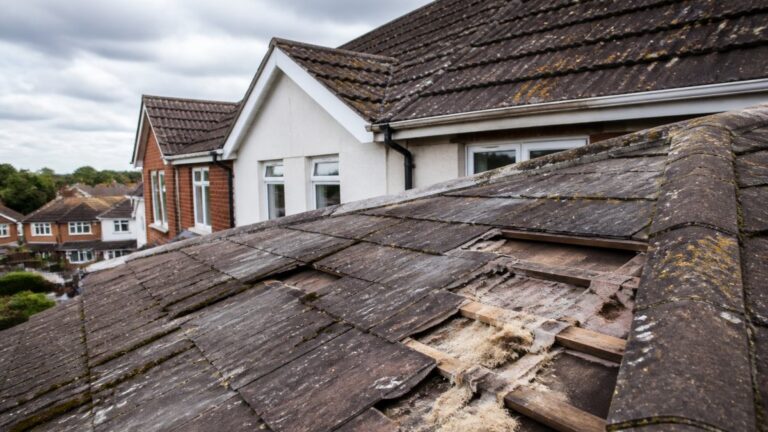
Older homes reveal roof water damage in ways newer properties simply do not. The signs of roof water damage in older homes often appear slowly, in the loft or on a chimney breast, long before a ceiling gives way. Across period properties, the pattern is consistent. Ageing felt, tired mortar and settled timbers all change how a leak behaves.
Newer roofs tend to fail fast and loudly. Older roofs fail quietly, then all at once.
That matters because early clues are easy to miss. A stain on an upstairs wall can look like condensation. A damp patch near a chimney can look like a ventilation problem. Both are often the first signs of a roof leak.
Below, we show you exactly how to read those clues and what to do next.
Signs of a Roof Leak You Should Never Ignore
The most reliable signs of a roof leak are brown ceiling stains, bubbling paint, damp chimney breasts, musty loft smells and daylight through the roof felt. Any one of these warrants an inspection. Two or more together almost always point to an active leak.
Here is how each sign tends to show up in an older property.
Brown Ceiling Stains and Paint That Bubbles
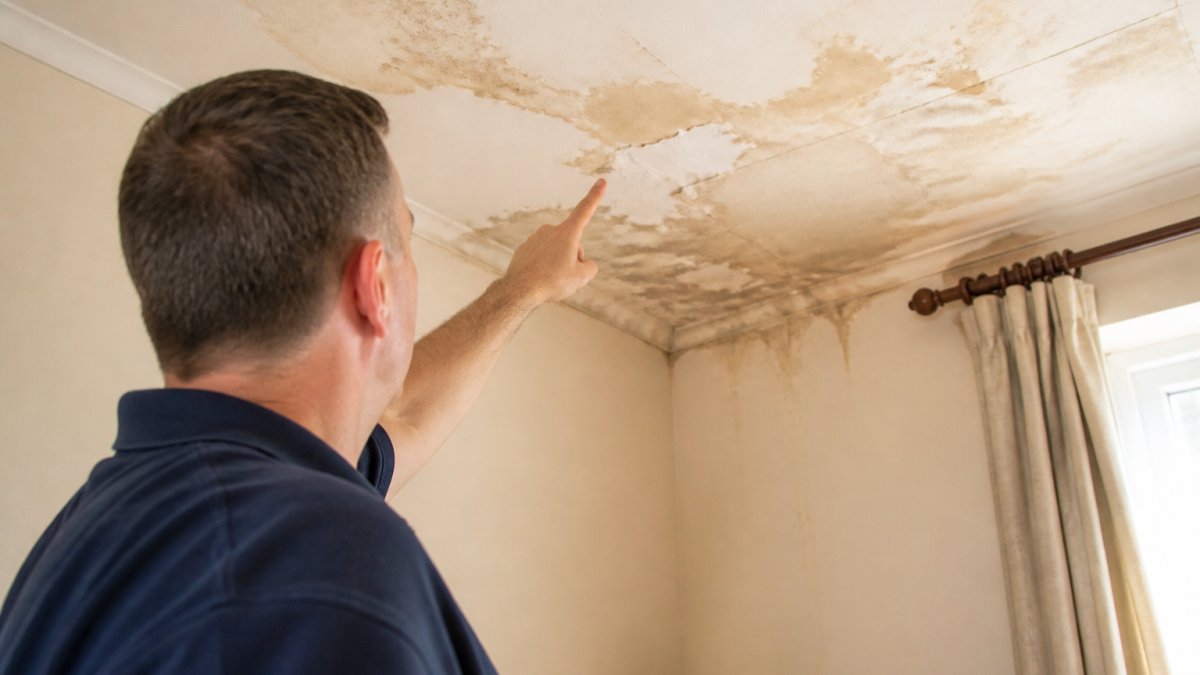
Brown rings on a ceiling are the classic giveaway. Water travels along joists before it drips, so the stain often sits away from the actual entry point. Paint that bubbles or flakes is another warning. Trapped moisture pushes the paint away from the plaster.
Watch out: a fresh coat of paint over a stain hides nothing. The water can return.
Damp Patches on Chimney Breasts and Upstairs Walls
Chimney breasts are a common leak point in period homes. Cracked mortar, failed flashing and worn lead all let water in. The result is a damp patch that grows after heavy rain.
Damp on an upstairs wall near the roofline can also mean failed felt or a slipped tile above. If the patch is cold and dark, treat it as a leak until proven otherwise.
These are the warning signs that point to an active roof leak in an older property.
| Sign | What it looks like |
|---|---|
| Brown ceiling stains | Brown rings on a ceiling, often away from entry point |
| Bubbling paint | Paint bubbles or flakes as moisture pushes it from plaster |
| Damp chimney breasts | Damp patch that grows after heavy rain |
| Damp upstairs walls | Damp near the roofline from failed felt or slipped tile |
| Musty loft smells | Musty smell near insulation in the loft |
| Daylight through felt | Daylight visible through the roof covering |
Roof Leak Detection: How to Check Your Loft Safely
Roof leak detection starts in the loft, not on the roof. A careful loft inspection finds most leaks without anyone stepping onto tiles. You will need a torch, a notepad and a cautious approach.
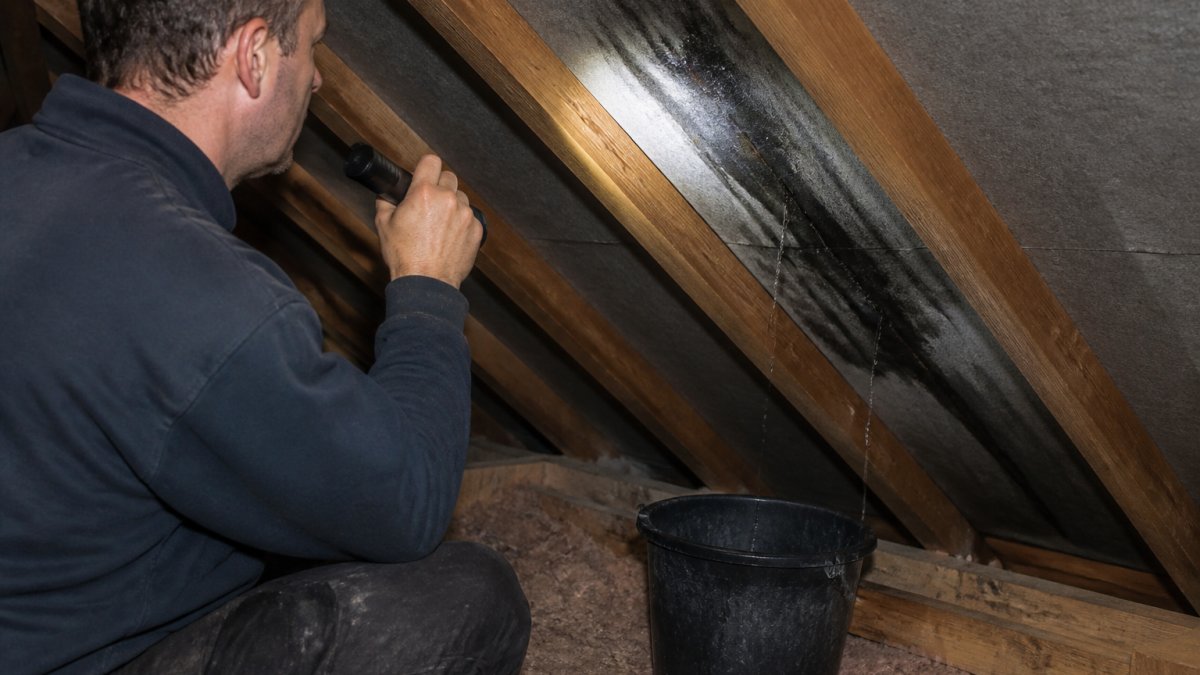
Follow these steps:
- Check for daylight through the roof covering
- Look for dark staining on rafters and felt
- Feel for damp patches on timber
- Look for water marks under the chimney
- Note any musty smell near insulation
Never walk across joists that look weak. Older lofts often have thin, aged timbers. Stay on a boarded walkway and keep your torch pointed along the rafters.
Common Causes of Roof Leaks in Period Properties
Period properties leak for specific reasons. The most common causes of roof leaks in older homes are failed flashing, cracked chimney mortar, slipped or broken tiles, worn roof felt and blocked gutters. Age is the shared factor in nearly all of them.
Get Your Free Roofing Quote Today! →
Flashing around chimneys and valleys degrades first. Mortar joints crack as buildings settle. Slate and clay tiles shift over decades. For period homes with slate, our guide to failing slate roofs covers the signs and fixes. Felt under the tiles becomes brittle and tears.
Roof Leak Repair: What the Fix Usually Involves
Roof leak repair depends on where the water enters. Most jobs involve replacing flashing, repointing chimney mortar, swapping damaged tiles or patching felt. A roofer traces the entry point first, then repairs the cause rather than the stain.
Typical repairs include:
- Replacing lead flashing around chimneys
- Repointing cracked chimney mortar
- Swapping slipped or broken tiles
- Sealing or replacing torn felt
- Clearing blocked gutters and downpipes
Damaged tiles are one of the most common fixes. Before committing, see what replacing damaged roof tiles costs.
Pricing for any repair depends on access, materials and the extent of the damage. Visit the Evershield Roofing website for current pricing or to request a quote.
When to Call a Roofer Instead of Checking Yourself
Call a roofer when you see water pooling, sagging ceilings or daylight through the roof. These are signs of structural risk, not a small leak. Stop checking and get professional help.
Other reasons to call rather than climb:
- Any leak near wiring or a light fitting
- A ceiling that bulges or drips steadily
- Storm damage or missing tiles
- A leak you cannot trace after a loft check
At Evershield Roofing, we offer emergency roof repair. We are fully insured and have 25 years of experience. If you have spotted the signs of roof water damage in older homes, do not wait for the next storm. Water spreads fast, and small repairs cost far less than structural ones.
If you are weighing up whether to act now or later, our guide on what happens if roof leaks are ignored shows how quickly the damage grows.
Book a Free Roof Survey Before the Damage Spreads
The signs of roof water damage in older homes rarely fix themselves. A stain that looks minor today can mean rotted timbers and a sagging ceiling within months. The sooner you act, the smaller the repair.
Evershield Roofing offers free surveys and quotes, with finance available from 0% APR. If you have seen any of the signs in this guide, book a free roof survey near you and let us trace the leak before it spreads.
Frequently Asked Questions
What are the first signs of a roof leak in an older home?
The earliest clues usually appear indoors rather than on the roof itself. Watch for brown or yellowish rings on upstairs ceilings, paint that blisters or flakes, and a musty smell in the loft. Dark tide marks on rafters, sagging felt and damp insulation are also common. Because older homes often hide leaks behind lath and plaster, a stain can appear well away from the actual entry point, so treat any new mark as a reason to get the roof checked.
Can a roof leak cause damp or mould in an older house?
Yes. Water entering through a damaged tile, flashing or valley soaks into timber, plaster and insulation, and that trapped moisture feeds mould growth. You may notice black spotting on chimney breasts, peeling wallpaper or a persistent musty smell long before water drips through. Left alone, the damp can spread into bedrooms and affect indoor air quality, so it is worth booking a survey rather than simply repainting over the patch.
Why do roof leaks appear after heavy rain?
Heavy rain drives water sideways and upward, forcing it past tiles and flashing that stay watertight in light drizzle. Blocked gutters and valleys overflow, and cracked mortar around chimney stacks lets water track down into the loft. That is why many leaks surface during or just after a storm. If water only appears in severe weather, note the timing and location and share it with your roofer, as it helps narrow down the cause of roof leaks quickly.
What should I do if I find water coming through my roof?
Move furniture and valuables clear, place a bucket under the drip and pierce a small hole in any bulging ceiling to release trapped water safely. Do not climb onto the roof in wet or windy conditions. Switch off electrics near the leak if it is safe to do so, then call a roofer for emergency roof leak repair. Evershield Roofing offers free surveys and quotes, so you can get an assessment without committing to the work first.
Water will find the weakest point in an older roof, and it rarely stops there. If you have spotted a stain, a damp patch or daylight in the loft, the smart move is to get it checked now. Evershield Roofing provides free surveys, fully insured roof repairs and finance from 0% APR across London and Buckinghamshire. Get started with Evershield Roofing and protect your home before the next downpour.