How to Maintain Your Roof: A Practical Guide
Learn how to maintain your roof with practical seasonal checks, gutter care, and when to call a professional. Protect your home today.

Table of Contents
- Why Regular Roof Maintenance Matters
- Signs of Roof Damage to Watch For
- Seasonal Roof Inspection Checklist
- Gutter Maintenance Tips for Your Roof
- Dealing with Moss and Organic Buildup
- Roof Inspection Cost UK and When to Get a Professional Survey
- Common Maintenance Mistakes to Avoid
- Frequently Asked Questions
Last Updated: September 27, 2026
Why Regular Roof Maintenance Matters
A strong roof protects your home from rain, wind, and cold. Without regular maintenance, small problems become expensive repairs. At Evershield Roofing, we’ve seen countless homeowners face thousands of pounds in damage that could have been prevented with simple upkeep.
Your roof works hard every day. It shields your family and your possessions. Most roofs last 20-30 years, but only if you maintain your roof properly. Neglect cuts that lifespan in half.
Regular maintenance catches problems early. Regular maintenance catches problems early. The choice is clear: inspect your roof twice yearly and address issues immediately.
Pro Tip
Schedule roof inspections in spring and autumn. These seasons reveal damage from winter storms and summer heat before they worsen.
Schedule roof inspections in spring and autumn. These seasons reveal damage from winter storms and summer heat before they worsen.
Signs of Roof Damage to Watch For
Spotting damage early saves money and prevents interior water damage. Look for these warning signs on your roof or in your home.
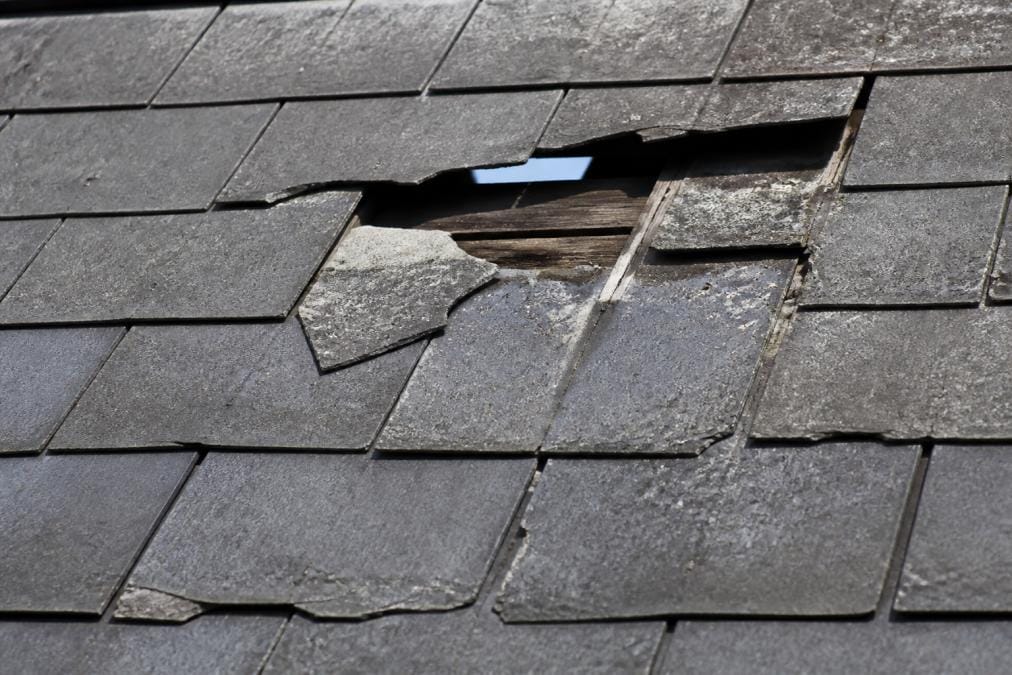
Missing or cracked shingles are the most obvious problem. Walk around your property and look up. Do you see bare patches? Shingles that curl at the edges? These need attention soon.
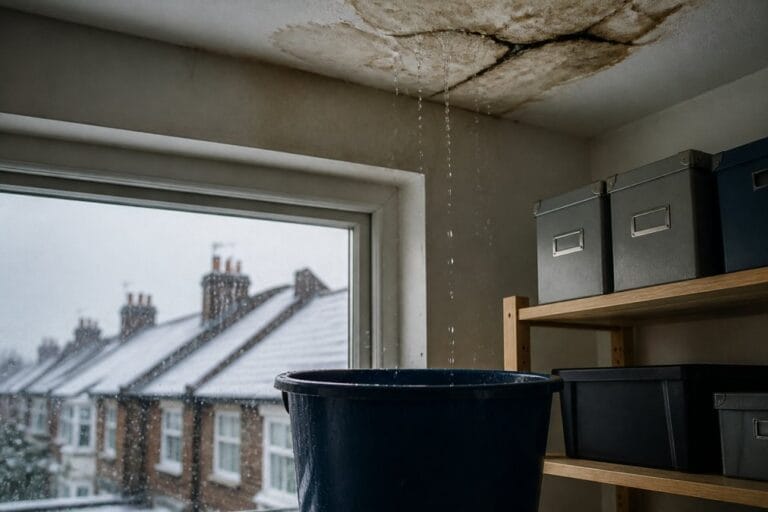
Water stains on your ceiling or walls mean water is getting inside. This happens before you notice roof damage from outside. Check your attic after heavy rain. Wet wood, damp insulation, or dark spots indicate a leak.
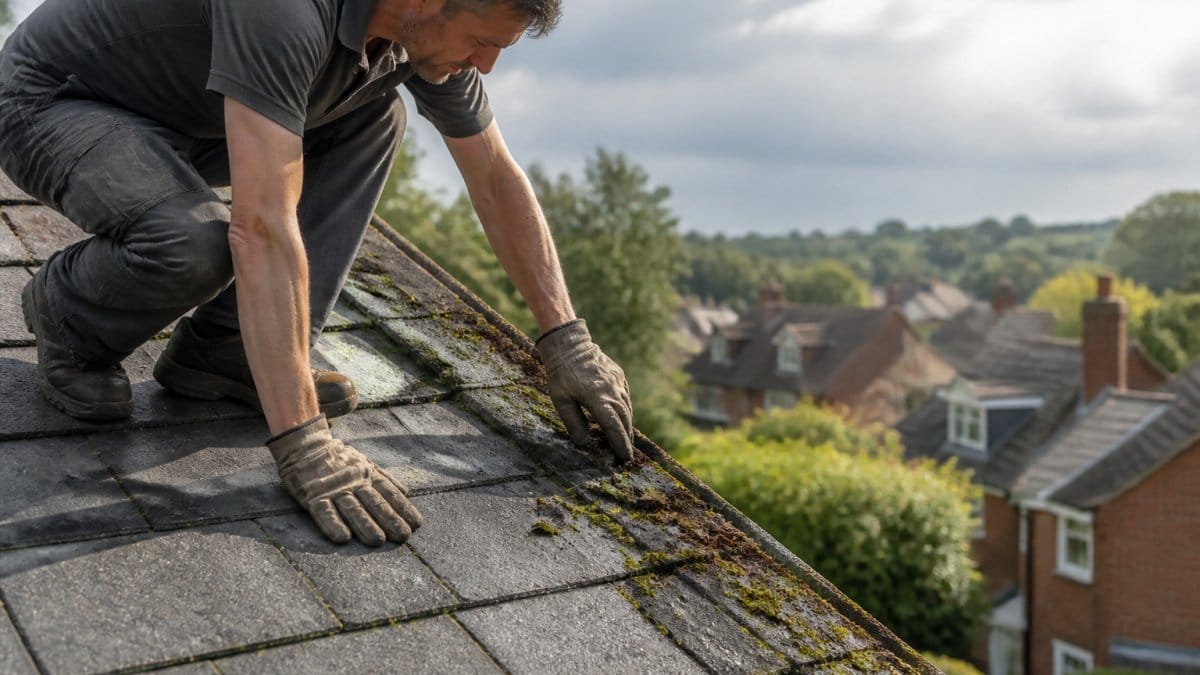
Moss and algae growth trap moisture against your roof. They’re not just unsightly, they accelerate deterioration. Green patches mean your roof is staying damp, which shortens its life.
Sagging areas suggest structural problems. If your roof dips between support beams, you need a professional inspection immediately. This is serious.
Loose or missing flashing around chimneys and vents allows water to seep in. Flashing is the metal trim that seals these gaps. When it fails, water finds its way into your home.
Watch Out
If you see water stains inside your home, act fast. Water damage spreads quickly and becomes expensive. Call a roofer within days, not weeks.
If you see water stains inside your home, act fast. Water damage spreads quickly and becomes expensive. Call a roofer within days, not weeks.
Seasonal Roof Inspection Checklist
Regular inspections catch problems before they become emergencies. Use this checklist twice yearly to assess your roof’s condition.
Spring Inspection (March-May):
- Check for damage from winter storms and ice
- Look for missing or cracked shingles
- Inspect flashing around chimneys and vents
- Clear debris from gutters and valleys
- Check for moss or algae growth
- Look for water stains in your attic
Autumn Inspection (September-November):
- Remove leaves and branches from gutters
- Check for damage before winter weather arrives
- Look for loose shingles or flashing
- Inspect seals around roof penetrations
- Check attic for water damage or leaks
- Clear gutters completely before winter
Safety matters. If you’re uncomfortable on a ladder or roof, hire a professional. A fall costs far more than an inspection.
Many homeowners overlook their attic. It’s the best place to spot roof problems early. Climb up with a torch and look for wet spots, staining, or mould. These signs appear before exterior damage becomes obvious.
Key Takeaway
Your attic is your early warning system. A damp attic tells you water is getting in before it damages your home. Check it every season.
Your attic is your early warning system. A damp attic tells you water is getting in before it damages your home. Check it every season.
Gutter Maintenance Tips for Your Roof
Gutters protect your roof and your home’s foundation. Clogged gutters cause water to back up, damage shingles, and overflow down your walls.
Clean gutters four times yearly: spring, early summer, autumn, and before winter. More often if you have trees nearby.
Remove leaves, twigs, and debris by hand. Wear gloves and use a small scoop. Place debris in a bag as you work. This prevents mess below.
Flush gutters with water after clearing debris. Use a hose to push remaining silt toward downspouts. Watch how water flows. It should run freely toward the downspout without pooling.
Check gutter slope. Gutters should tilt slightly toward downspouts. If water pools in sections, the gutter has sagged. This needs repair.
Inspect downspouts. Make sure water exits at least 1.5 metres away from your home’s foundation. If water pools near the base, it damages foundations and creates damp problems inside.
Look for rust, holes, or separation. Metal gutters corrode over time. Holes allow water to leak behind the gutter. Separated sections don’t channel water properly.
Evershield Roofing offers professional gutter cleaning and maintenance. Our team removes debris safely and checks for damage you might miss.
Pro Tip
After heavy storms, check your gutters immediately. Branches and debris accumulate fast, and clogs form quickly. Clear them before water damage occurs.
After heavy storms, check your gutters immediately. Branches and debris accumulate fast, and clogs form quickly. Clear them before water damage occurs.
Dealing with Moss and Organic Buildup
Moss thrives on damp roofs. It traps moisture, accelerates shingle deterioration, and looks poor. If you see green growth on your roof, address it promptly.
Moss grows where shade and moisture meet. North-facing roof sections and areas under tree cover are most vulnerable. Damp climates like the UK see more moss growth than dry regions.
Get Your Free Roofing Quote Today! →
Prevention is easier than removal. Keep gutters clean so water drains properly. Trim tree branches that shade your roof. Improve air circulation to reduce dampness.
For existing moss, gentle removal works best. Avoid high-pressure washing, it damages shingles. Instead, use a soft brush and biodegradable moss killer. Apply the product, wait a few days, then brush away dead moss gently.
Copper or zinc strips installed along the roof ridge help prevent moss regrowth. As rain washes over them, the metal ions inhibit moss growth. This is a long-term solution that prevents future problems.
After removing moss, improve drainage. Clean gutters more frequently. Consider trimming overhanging branches. These steps reduce conditions moss loves.
Roof Inspection Cost UK and When to Get a Professional Survey
Professional roof surveys are a worthwhile investment that catches expensive problems early.
Get a professional inspection if:
- Your roof is over 15 years old
- You’ve noticed water stains or leaks
- Your roof shows visible damage
- You’re buying a home
- You’re planning insurance claims
- You see moss or significant buildup
A surveyor examines your roof from the ground and attic. They check shingles, flashing, gutters, and structural integrity. They provide a written report with recommendations and cost estimates for repairs.
Insurance often covers damage from storms or accidents. But insurers require professional documentation. A surveyor’s report supports your claim and speeds the process.
When buying a property, a roof survey reveals hidden problems. It protects your investment and informs your offer price. A failing roof discovered after purchase becomes your expense.
Evershield Roofing provides free surveys and quotes. Our team assesses your roof’s condition and explains what needs attention. We give you honest recommendations without pressure.
Best For
Homeowners over 40 years old with roofs over 15 years old, or anyone noticing water damage, should schedule a professional inspection this year.
Homeowners over 40 years old with roofs over 15 years old, or anyone noticing water damage, should schedule a professional inspection this year.
Common Maintenance Mistakes to Avoid
Avoiding these mistakes helps you maintain your roof and extends its life.
Ignoring small problems: A single missing shingle seems minor. But it exposes wood underneath to water. Within months, rot spreads. Fix small issues immediately.
Walking on your roof unnecessarily: Every footstep risks damage. Shingles crack under pressure. Flashing loosens. Only walk on your roof when necessary, and wear soft shoes.
Pressure washing your roof: High pressure damages shingles, strips protective granules, and shortens roof life. Use gentle cleaning methods instead.
Neglecting gutters: Clogged gutters cause more damage than any other maintenance failure. Water backs up, rots fascia, damages shingles, and floods your attic. Clean gutters religiously.
Delaying repairs: A small leak becomes a large one. A loose shingle becomes missing shingles. Delays multiply costs. When you spot damage, act within days.
Choosing cheap repairs over quality: Budget roofers cut corners. Poor workmanship fails quickly. Your roof protects your entire home. Invest in quality work.
Skipping professional inspections: Your eyes miss problems professionals spot. Structural damage, hidden leaks, and flashing failures require trained assessment. Get professional inspections every 3-5 years.
Ignoring attic signs: Damp, staining, or mould in your attic means water is getting in. Address it immediately. Don’t wait for ceiling damage.
Frequently Asked Questions
How often should I inspect my roof?
Inspect your roof at least twice yearly, spring and autumn, to catch seasonal damage early. After severe weather, storms, or high winds, check immediately for loose tiles, debris, or damage. If you notice leaks or water stains inside, a professional inspection is essential. Many homeowners find that regular twice-yearly checks prevent costly repairs by catching problems before they worsen.
What are the common signs of roof damage?
Watch for cracked, curled, or missing tiles; sagging sections; visible moss or algae growth; and granules in gutters. Inside, water stains on ceilings, damp patches, or light coming through the roof are urgent warning signs. Damaged flashing around chimneys and valleys also indicates trouble. Any of these warrant a professional assessment to prevent water ingress and structural damage.
How much does a professional roof inspection cost?
Professional roof inspection costs vary based on property size, roof pitch, and accessibility. Many surveyors offer free initial assessments, which is a sensible starting point. For a detailed structural survey or specialist flat roof assessment, expect to pay a fee, though this often gets credited towards repair work if you proceed. Contact local roofers for current quotes and compare what’s included.
Can I clean moss off my roof myself?
Whilst minor moss can be brushed away carefully, professional roof cleaning is safer and more effective. Climbing onto a roof without proper equipment risks falls and injury. Pressure washing can damage tiles if done incorrectly. Professional cleaners use appropriate techniques and safety harnesses. They also identify any underlying issues that moss might be hiding, such as poor drainage or damaged tiles.
Maintaining your roof protects your home and your finances. Regular inspections, seasonal cleaning, and prompt repairs keep your roof strong for decades. If you notice damage or want a professional assessment, Evershield Roofing offers free surveys and expert guidance. Our team has over 25 years of experience helping homeowners maintain healthy roofs. Contact us for your free quote and let’s keep your roof in top condition.