Roof Replacement vs Roof Coating: Pros and Cons
Roof replacement vs roof coating pros and cons explained. Compare costs, lifespan, and durability to choose the right option for your Buckinghamshire home.

Table of Contents
- Roof Replacement vs Roof Coating: What’s the Difference?
- Roof Replacement vs Roof Coating: At a Glance Comparison
- The Average Cost of Roof Replacement UK Homeowners Face
- Key Signs Your Roof Needs Replacing, Not Coating
- Why Flat Roof Drainage Importance Decides the Winner
- Pros and Cons of Roof Coating vs Full Replacement
- How to Choose: Roof Coating or Replacement?
- Conclusion
- Frequently Asked Questions
Last Updated: September 7, 2026
The roof over your head is your home’s first line of defence against the British weather, so deciding between roof replacement vs roof coating is a significant financial and practical choice. A roof coating can extend the life of a sound structure for a fraction of the cost, while a full replacement addresses underlying problems that coatings simply mask. At Evershield Roofing, we’ve spent over 25 years inspecting roofs across Buckinghamshire and London. This guide breaks down the roof replacement vs roof coating pros and cons so you can make an informed choice for your property.
Roof Replacement vs Roof Coating: What’s the Difference?
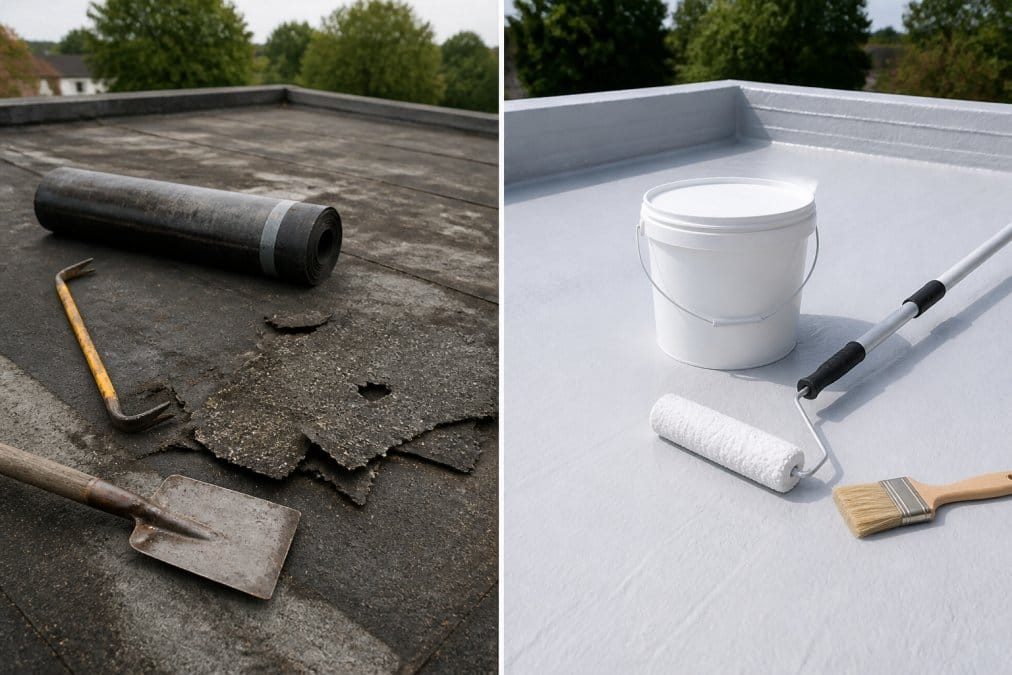
Roof replacement is the complete removal of your existing roofing materials, followed by an inspection of the underlying structure and the installation of a brand-new roofing system. Roof coating, by contrast, is a liquid-applied membrane that is rolled or sprayed directly onto your existing roof surface to seal leaks and extend its service life.
The distinction matters because each approach solves a different problem. Replacement gives you a clean slate, addressing rot, damaged decking, and failed underlay that you cannot see from the outside. Coating is a protective layer that works only when the structure beneath it is still sound. Understanding this fundamental difference is the first step in weighing the roof replacement vs roof coating pros and cons for your specific situation.
Roof Replacement vs Roof Coating: At a Glance Comparison
Choosing between these two options comes down to the condition of your roof, your budget, and how long you plan to stay in the property. The table below summarises the key differences to help you compare them side by side.
| Consideration | Roof Coating | Roof Replacement |
|---|---|---|
| Upfront cost | Lower | Significantly higher |
| Time to complete | 1-2 days typically | Several days to weeks |
| Structural issues fixed | No | Yes |
| Lifespan added | 5-10 years | 20-30+ years |
| Best for | Sound roofs with surface wear | Damaged or aged roofs |
| Warranty coverage | Limited | Full manufacturer warranty |
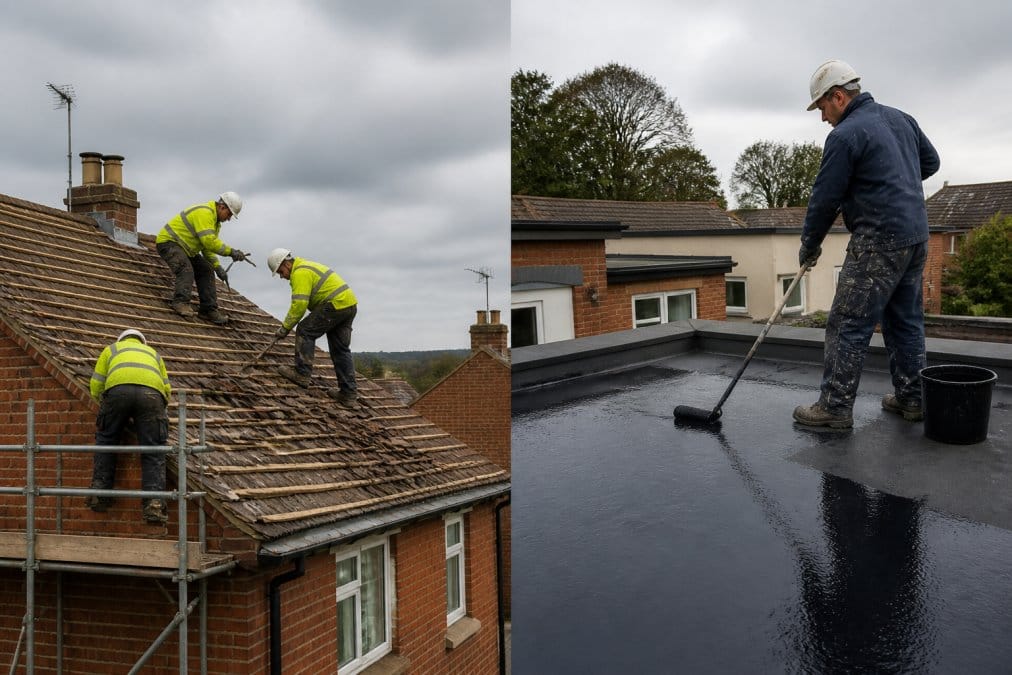
The real question is not which method is better overall, but which one fits your roof’s condition. A coating is an excellent investment when your roof has years of life left but shows signs of surface wear. Replacement becomes the only sensible option when water has penetrated the structure or the roof is nearing the end of its functional life.
The Average Cost of Roof Replacement UK Homeowners Face
The average cost of roof replacement UK homeowners face is substantial, which is why many property owners look for cheaper alternatives like coatings. While every project differs based on size, pitch, and materials, a full replacement represents one of the largest single maintenance expenses a homeowner will ever encounter.
A roof coating, in contrast, typically costs a fraction of the replacement figure because it avoids the labour-intensive tear-off and disposal process. However, the lower price tag comes with a caveat: coatings are a postponement strategy, not a permanent fix. Industry guidance consistently notes that coatings require the existing roof to be structurally sound before application, as documented by Polyglass technical guidance on roof restoration coatings. If your roof has underlying issues, you will end up paying for a coating now and a replacement later anyway.
Key Signs Your Roof Needs Replacing, Not Coating
Recognising the signs your roof needs replacing is essential to avoid wasting money on a coating that cannot solve the underlying problem. A coating will not resurrect a roof that has reached the end of its service life, so look for these warning indicators.
- Curled or missing shingles or tiles: This signals that the waterproofing layer has failed.
- Daylight visible through the roof boards: A clear sign of structural gaps.
- Sagging roof deck: Indicates rot or water damage in the supporting structure.
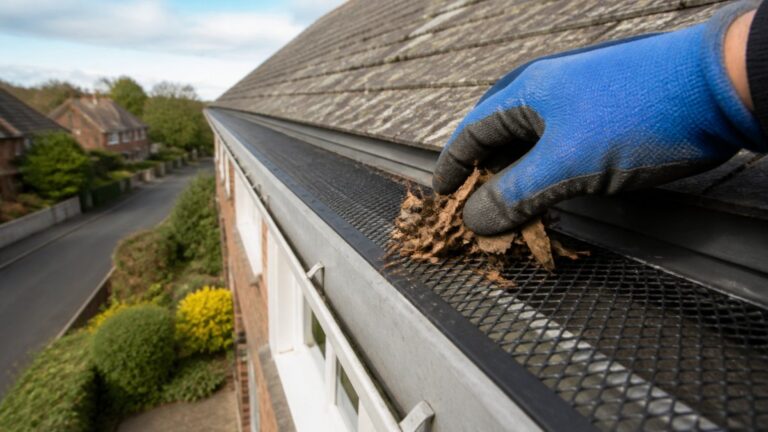
- Granules in the guttering: Excessive loss means the surface is degrading.
- Persistent leaks through the ceiling: Water is breaching the entire system.
If you notice any of these issues, a coating is merely a temporary sticking plaster. Professional roofers in the industry note that coatings are not suitable for roofs with significant structural damage or trapped moisture, as highlighted in GAF technical documentation on commercial roof coatings. The honest assessment is that a full replacement is the only way to guarantee a watertight result for years to come.
Why Flat Roof Drainage Importance Decides the Winner
Flat roof drainage importance cannot be overstated when choosing between coating and replacement, particularly for commercial properties across Buckinghamshire. Standing water, or ponding, is the single most destructive force on a flat roof, and it directly influences whether a coating will succeed.
Silicone-based coatings have excellent resistance to ponding water, making them a strong choice for flat roofs where drainage is poor but the structure remains sound. The industry guidance on silicone roof coating systems confirms that silicone is widely regarded as the most reliable waterproofing solution for flat roofs prone to water pooling. However, if the roof deck itself has been weakened by years of standing water, no coating will save it.
The decision hinges on the drainage assessment. If your flat roof has minor pooling but the deck is solid, a high-quality silicone coating can resolve the waterproofing issue effectively. If the deck has softened or the insulation is waterlogged, replacement is non-negotiable. This is where an expert survey becomes invaluable, as a professional can determine whether your drainage problems have compromised the structure.
Get Your Free Roofing Quote Today! →
Pros and Cons of Roof Coating vs Full Replacement
The pros and cons of roof coating vs full replacement become clearer when you examine each option on its merits. A roof coating is a non-invasive process that avoids the disruption of a full tear-off, making it an attractive option for business owners who cannot afford downtime. It also offers high solar reflectivity, which can reduce building cooling loads during warmer months.
The primary limitation of a coating is that it only addresses the surface. It cannot fix rot, failed insulation, or compromised decking, and it requires meticulous surface preparation to bond correctly. A full replacement, while more expensive and disruptive, delivers a completely new roofing system with a full manufacturer warranty. It also allows contractors to inspect and repair the underlying structural decking, which is often where hidden problems reside.
For a homeowner planning to stay in their property for decades, the roof replacement vs roof coating pros and cons favour replacement. For a commercial facility manager looking to extend the life of a sound roof by several years, a coating represents excellent value. There is no universal winner, only the right choice for your specific circumstances.
How to Choose: Roof Coating or Replacement?
To choose between roof coating and replacement, start with a professional condition survey and be honest about your long-term plans for the property. If you plan to sell within five years and your roof is structurally sound, a coating can boost curb appeal without a major investment. If you are settling in for the long haul and your roof is over 20 years old, replacement is the wiser financial decision.
Property owners searching for roof replacement or roof coating near me in London should look for a contractor who offers both services and provides honest guidance rather than steering you toward the most expensive option. A reputable firm will conduct a free survey, explain what they find, and recommend the solution that genuinely fits your roof’s condition. The best contractors, like those at Evershield Roofing with over 25 years of experience, will also check your guttering and drainage as part of the assessment, since these systems directly affect your roof’s lifespan.
Conclusion
Deciding between roof replacement and roof coating is ultimately a question of timing and structural integrity. A coating is a smart, cost-effective way to buy more years from a sound roof, while a replacement is the definitive fix for a roof that has reached the end of its life. The roof replacement vs roof coating pros and cons outlined here give you the framework, but nothing replaces a professional inspection of your actual roof.
At Evershield Roofing, we provide free surveys and quotes across Buckinghamshire and London, backed by 25 years of industry experience and fully insured workmanship. Whether you need emergency roof repairs, a full new roof installation, or expert advice on flat roofs, our team guides you through every step. Finance is available from 0% APR to help spread the cost. Get your free roofing quote today and protect your home with a roof built to last.
Frequently Asked Questions
How long does a roof coating last on a UK home?
A professionally applied roof coating typically lasts 10 to 15 years on a UK home, depending on the product type, substrate, and weather exposure. Silicone-based coatings tend to outperform acrylic in areas with frequent rain and standing water. The coating only extends the life of an existing roof, so the remaining lifespan of your current covering matters. Regular inspections help you spot wear early and reapply before the membrane fails.
Is roof coating cheaper than a full roof replacement?
Yes, roof coating has a significantly lower upfront cost than a full replacement because it avoids the labour and skip hire involved in stripping old materials. However, coating is a temporary measure that adds 10 to 15 years of life, whereas a replacement gives you a brand-new system with a fresh warranty. For a roof nearing the end of its serviceable life, paying twice for coatings can cost more than a single replacement in the long run.
What are the signs your roof needs replacing instead of coating?
A roof needs replacing when you see widespread cracked or missing tiles, daylight through the roof deck, sagging rooflines, or significant rot in the timber beneath. Trapped moisture inside the deck also rules out coating, because liquid membranes cannot bond to a damp substrate. If the damage is isolated and the structure is sound, coating may still work. A professional survey identifies whether the issues are surface-level or structural.
Can roof coatings be applied to all types of roofing materials?
No. Roof coatings work well on flat and low-pitch roofs with substrates like modified bitumen, single-ply membranes, and metal. They are not suitable for pitched roofs covered in traditional clay or concrete tiles, where the fixing and interlocking system itself provides the weatherproofing. Coating a tiled roof can trap moisture and accelerate decay. If you have a pitched tiled roof, repair or replacement of the tiles is the standard approach.