How to Tell If You Need a New Roof: UK Checklist
New roof UK: Spot roof damage early with our UK homeowner's checklist. Learn signs of wear, when repairs suffice, and when replacement is necessary. Get.

Table of Contents
- Visual Signs Your Roof Needs Replacement
- Interior Warning Signs of Roof Damage
- How Long Does a Roof Last and When Replacement Becomes Necessary
- Flat Roof Drainage Importance and Pooling Water
- Roof Replacement Cost UK: Budget Planning and Financial Options
- Repair Versus Replacement: Making the Right Decision
- When to Call a Professional Roof Inspector
- Frequently Asked Questions
Last Updated: September 1, 2026
Visual Signs Your Roof Needs Replacement
The most obvious indicator that you need a new roof is visible damage to the tiles or covering. Cracked, curled, or missing tiles expose the underlying structure to water ingress, which causes decay in the rafters and insulation. These problems escalate quickly, what starts as a single damaged tile can become a full structural failure within months.
Look up at your roofline from ground level. Tiles that cup upward at the edges, or ones that have split lengthwise, indicate the material has reached the end of its lifespan. Missing tiles create gaps where water penetrates directly into the attic space. If you spot daylight through your roof when you’re in the loft, replacement isn’t optional, it’s urgent.
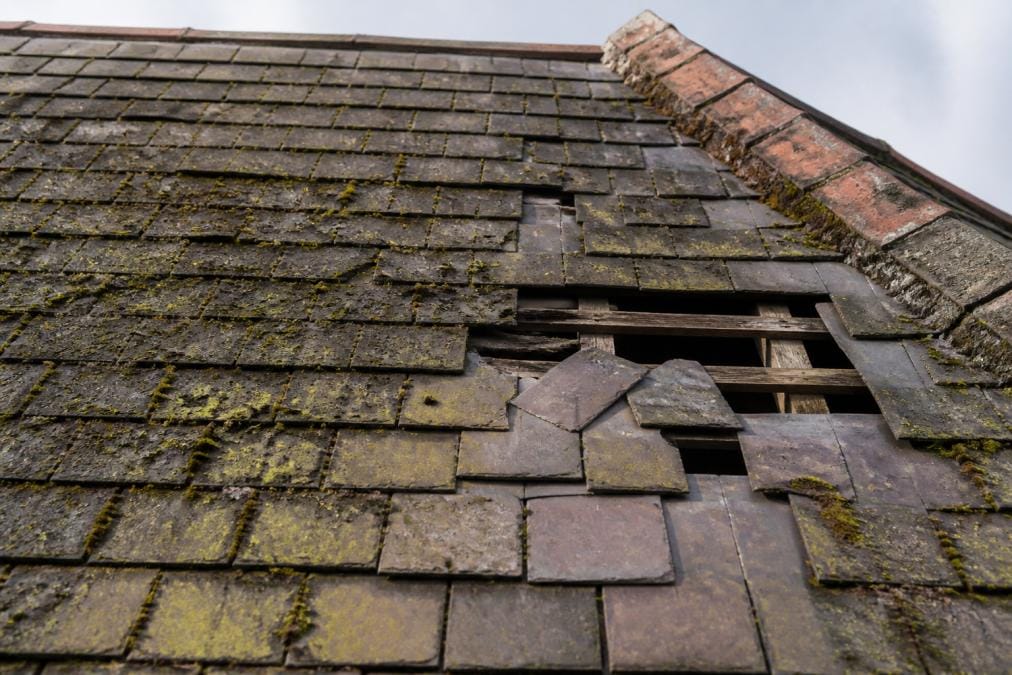
Cracked, Curled or Missing Tiles
Roof tiles don’t fail all at once. They deteriorate progressively, and the pattern tells you how long your roof has left. Curling happens when the underside of a tile absorbs moisture and shrinks unevenly. Cracking occurs when thermal stress, expansion and contraction across seasons, exceeds the material’s tolerance. Missing tiles are the final stage before water damage becomes interior damage.
Inspect your roof after heavy rain or strong wind. Missing tiles are easiest to spot then. Cracked tiles require closer inspection. Use binoculars from the ground if you’re uncomfortable on a ladder. Pay attention to the south-facing slope first, that side weathers faster due to UV exposure and temperature cycling.
The cost of ignoring this is substantial. A single missing tile allows water to saturate the felt and timber beneath. Within weeks, that moisture spreads laterally across the roof structure. Rot sets in. Mould grows. The structural integrity of your home is compromised.
Moss, Algae and Organic Growth
Moss and algae grow on roofs that retain moisture. They’re not just unsightly, they trap water against the tile surface, accelerating deterioration. The root structures of moss penetrate between tiles, creating channels for water to flow into the structure. In damp climates, this growth can double the rate of tile degradation.
North-facing slopes accumulate moss fastest because they receive less direct sunlight and stay damp longer. Shaded areas beneath overhanging trees are equally vulnerable. If your roof is green or black with organic growth, water damage is likely already occurring beneath the surface.
Cleaning removes the visible growth but doesn’t address the underlying problem. If moss returns within a year, your roof is retaining too much moisture, a sign the tiles or underlying felt are compromised. Professional roof cleaning can extend the life of a healthy roof by a few years, but it cannot restore a failing one. Consider whether cleaning is a temporary fix or part of a longer maintenance plan.
Sagging or Visible Structural Damage
A sagging roofline is a structural emergency. It indicates the rafters or joists have failed or are failing. This happens when water damage has rotted the timber, or when the roof load exceeds what the structure can support. Sagging is visible from the street, the roofline dips or waves instead of running straight.
Structural failure can happen suddenly, especially after heavy snow or severe wind. If you notice sagging, do not delay. Call a professional immediately. This is not a repair, it requires full replacement and potentially structural reinforcement.
Interior Warning Signs of Roof Damage
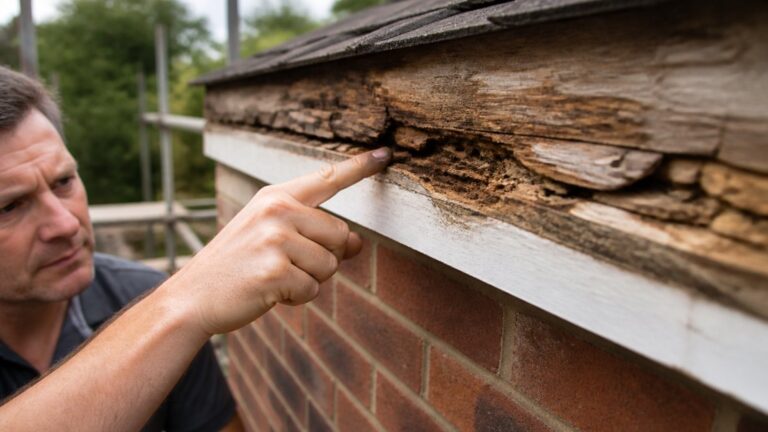
Water damage inside your home is the clearest sign that your roof has failed. By the time you see stains or damp on ceilings and walls, the roof has been leaking for weeks or months. The damage extends beyond what’s visible, timber is rotting, insulation is saturated, and mould is growing in the cavities.
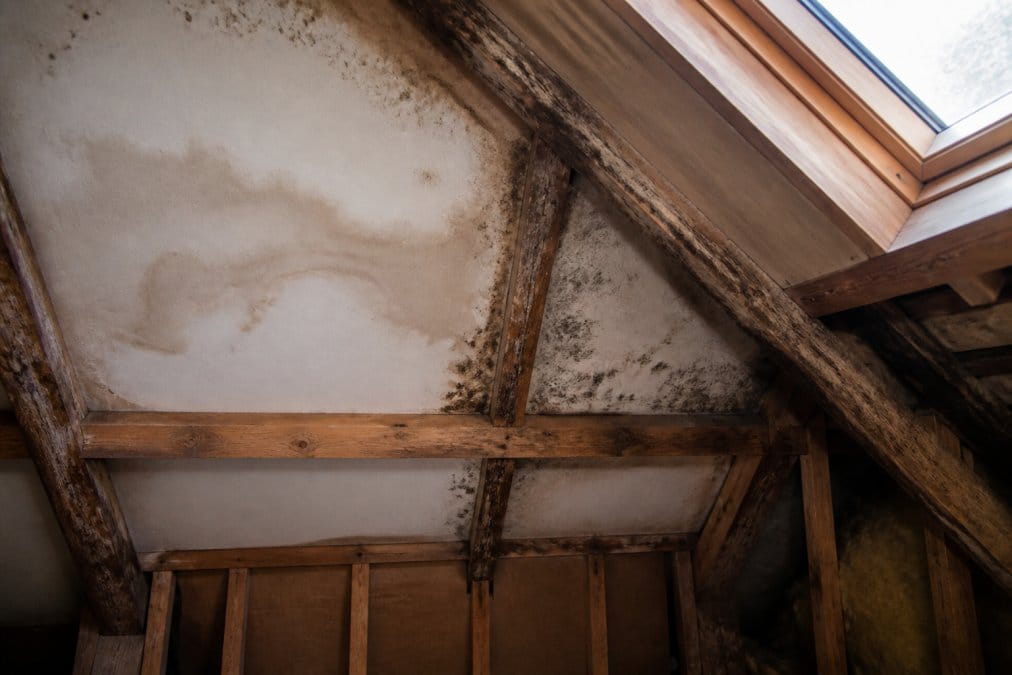
Water Stains and Damp Patches
Water stains on ceilings and upper walls point directly to roof leaks. Fresh stains are yellowish-brown. Older stains are darker and may show rings where water has repeatedly wicked into the plaster. The stain’s location isn’t always directly below the leak, water travels along rafters and joists before dripping through.
If you see stains after rain, the leak is active. Mark the stain’s location and check it after the next rainfall. If it grows, the leak is worsening. Damp patches that feel soft or spongy indicate the plaster is saturated. This material needs replacing once the roof is repaired.
The danger is hidden decay. Timber that looks dry on the surface may be rotting internally. Insulation that appears damp will lose its thermal properties and encourage mould growth. These problems persist even after the roof is fixed, the damaged materials need removal and replacement.
Granule Loss and Attic Deterioration
Asphalt tiles shed granules as they age. These granules protect the bitumen from UV damage. When they wash away, the bitumen oxidises and becomes brittle. You’ll find granules in gutters and downpipes, or scattered on the ground after rain.
Inspect your attic for signs of deterioration. Look for discoloured insulation, dark patches on timber, or visible mould growth. Smell matters too, a musty odour indicates moisture and microbial activity. If the insulation is damp or the timber shows signs of rot, replacement is necessary.
Attic ventilation failures compound the problem. Poor airflow traps moisture, accelerating decay. Modern roof replacements include ventilation improvements to prevent this. When assessing whether to repair or replace, consider the condition of everything above the ceiling line, not just the tiles themselves.
How Long Does a Roof Last and When Replacement Becomes Necessary
Most pitched roofs in the UK last between 40 and 60 years, depending on material, installation quality, and maintenance. Slate roofs can exceed 100 years. Clay tiles typically last 50-70 years. Asphalt shingles, less common in the UK, last 20-30 years. Flat roofs last 15-25 years and require more frequent maintenance.
Age alone doesn’t determine when you need a new roof. A well-maintained 50-year-old roof may have decades left. A neglected 30-year-old roof may be failing. The real indicator is condition. If your roof is showing multiple warning signs, missing tiles, interior water damage, sagging, extensive moss, replacement is overdue.
Your roof’s lifespan also depends on exposure. Roofs facing prevailing winds weather faster. Those in areas with heavy rainfall or freeze-thaw cycles deteriorate quicker. Coastal properties face salt spray damage. Urban roofs accumulate pollution and organic growth faster than rural ones.
Consider replacement when repair costs exceed 50% of the replacement cost. If your roofer recommends patching a 45-year-old roof that needs multiple repairs, ask about replacement instead. A new roof provides a warranty, eliminates recurring repair bills, and improves your home’s value and insurance rating.
Flat Roof Drainage Importance and Pooling Water
Flat roofs require exceptional drainage. Unlike pitched roofs where water runs downhill, flat roofs depend on gutters and drainage systems to move water away. Pooling water, water that sits on the surface for more than 48 hours after rain, is a serious problem. It accelerates membrane degradation, creates weight stress, and provides breeding grounds for mould.
Get Your Free Roofing Quote Today! →
Flat roof drainage importance cannot be overstated. Poor drainage is the primary cause of flat roof failure. Standing water penetrates seams, saturates insulation, and causes structural rot. Prevention is far cheaper than remediation.
Inspect your flat roof after heavy rain. Water should drain completely within two days. If puddles remain, the drainage system is failing. Causes include blocked gutters, sagging sections where the membrane has settled, or a membrane that’s lost its slope. Clearing gutters is preventative maintenance. Fixing sagging or replacing a failed membrane requires professional intervention.
Modern flat roofs are designed with a slight slope, typically 1:40 or 1:50, to encourage drainage. Older flat roofs were truly flat and relied entirely on gutters. If your flat roof is pooling water regularly, consider upgrading to a sloped system or installing additional drainage points. At Evershield Roofing, we specialise in flat roof solutions that eliminate standing water and extend the roof’s lifespan significantly.
Roof Replacement Cost UK: Budget Planning and Financial Options
Roof replacement is a major expense. The cost depends on the size of your roof, the material you choose, the complexity of the installation, and local labour rates. A three-bed semi in London or Buckinghamshire will have a different cost than the same property elsewhere, and different materials carry vastly different prices.
Rather than guessing at costs, obtain quotes from established roofers. Evershield Roofing provides free surveys and quotations, no obligation. We can walk you through material options, timelines, and financing arrangements. Our team has handled hundreds of replacements across residential and commercial properties, and we understand the financial pressures homeowners face.
Financing options exist for those who can’t pay upfront. Many roofers, including Evershield Roofing, offer flexible payment plans. Some offer 0% APR financing, which spreads the cost across manageable monthly payments. Check whether your buildings insurance covers any portion of the replacement, some policies include accidental damage cover that may apply to storm or weather damage.
Budget for more than just the new roof. Removal and disposal of the old roof, repairs to underlying timber, and any structural upgrades add to the total. If your gutters are old, consider replacing them at the same time, it’s more economical than accessing your roof twice. Plan for contingencies. If the surveyor discovers hidden rot or structural issues, costs will increase.
Repair Versus Replacement: Making the Right Decision
The decision between repair and replacement isn’t always obvious. A roofer might recommend patching a few tiles. But if your roof is 45 years old and showing multiple problems, repair is delaying the inevitable.
Use this framework: if repairs address isolated damage and your roof is under 35 years old, repair makes sense. If damage is widespread, your roof is over 40 years old, or you’re making the same repair twice in five years, replacement is more cost-effective.
Consider the long-term picture. A repair buys you time, typically 5-10 years depending on the work. Replacement provides 40-60 years of protection and includes a warranty. Repair costs accumulate. Three repairs at £2,000 each over a decade total £6,000 and still leave you with an aging roof. Replacement costs more upfront but eliminates recurring bills and provides certainty.
Insurance and resale value matter too. A new roof improves your home’s market value and reduces insurance premiums. Insurers view old roofs as higher risk. A replacement demonstrates due diligence to future buyers. If you’re planning to stay in your home for another 20 years, replacement is an investment in peace of mind.
When to Call a Professional Roof Inspector
You can spot obvious problems yourself, missing tiles, interior water stains, sagging. But a professional inspection reveals hidden damage that determines whether repair or replacement is necessary.
A qualified surveyor will access your roof safely, examine the underside of the covering, check the condition of felt and timber, assess ventilation, and identify moisture. They’ll provide a written report with photographs and recommendations. This report is invaluable when making your decision and when obtaining quotes from roofers.
Call an inspector if you’re unsure about your roof’s condition, if you’re planning to sell your home, or if you’ve experienced storm damage. Don’t wait for visible leaks. Preventative inspection catches problems early when options are broader and costs are lower. Insurance companies often require inspection reports before approving claims for weather damage.
Professional inspectors are independent and unbiased. They’re not trying to sell you a roof, they’re assessing what you actually need. Roofers’ surveys are free but naturally lean toward recommending replacement. An independent inspector provides a neutral assessment.
At Evershield Roofing, we conduct thorough professional inspections as part of our free quotation process. Our team identifies every issue, explains what’s happening and why, and discusses your options honestly. We’re here to answer questions and address concerns throughout the process, there’s always an expert available to discuss your roof’s condition and next steps.
Your roof protects everything beneath it. Ignoring warning signs leads to water damage, structural decay, and expensive remediation. The decision to repair or replace shouldn’t be rushed, but it shouldn’t be delayed either. If you’re seeing the signs described in this guide, cracked tiles, interior water damage, moss growth, or pooling water on a flat roof, get a professional assessment now. Contact Evershield Roofing for a free survey and quotation. Our team will examine your roof thoroughly, explain what we find, and recommend the most cost-effective solution for your situation. We’ve protected homes and businesses across Buckinghamshire for over 25 years with quality workmanship and transparent pricing.
Frequently Asked Questions
What are the main signs that I need a new roof UK rather than repairs?
Your roof likely needs replacement rather than repair if you see widespread damage affecting more than 30% of the surface, missing tiles across multiple areas, severe sagging, or persistent leaks despite previous repairs. Age is also critical: most pitched roofs last 40-60 years depending on material and maintenance. If your roof is over 50 years old and showing signs of wear, replacement is usually more cost-effective than repeated repairs. A professional survey will confirm whether repair or replacement is the right choice for your home.
How long does a roof last in the UK?
Traditional slate and clay tile roofs last 50-100 years or longer with proper maintenance. Concrete tiles typically last 40-60 years. Asphalt shingles last 20-30 years. Flat roofs, whether felt, rubber, or bitumen, usually last 20-40 years depending on material and drainage quality. Lifespan varies with weather exposure, maintenance frequency, and installation quality. Regular cleaning and repairs extend life significantly. If your roof is approaching these age ranges and showing damage, replacement should be considered soon to avoid emergency repairs.
Why is flat roof drainage so important?
Flat roof drainage importance cannot be overstated because standing water accelerates deterioration of any flat roof material. Poor drainage leads to pooling, which causes membrane breakdown, leaks into your property, and structural damage to timber or steel underneath. Blocked gutters and downpipes are the most common cause. Regular cleaning of gutters, ensuring correct fall gradient (the slope that directs water to outlets), and clearing debris prevents costly water damage. If you notice standing water weeks after rain, your flat roof drainage system needs urgent attention to prevent interior damage.
What factors affect roof replacement cost UK?
Roof replacement cost UK depends on roof size (measured in square metres), material choice (slate, tile, or composite), existing roof condition, structural repairs needed, roof pitch complexity, and local labour rates. Removing old materials, disposal, and scaffolding add to costs. Access difficulty and weather conditions also influence pricing. Finance options are available to spread costs. Request a free survey from a qualified surveyor to get an accurate quote for your specific property, as costs vary significantly between properties and regions.